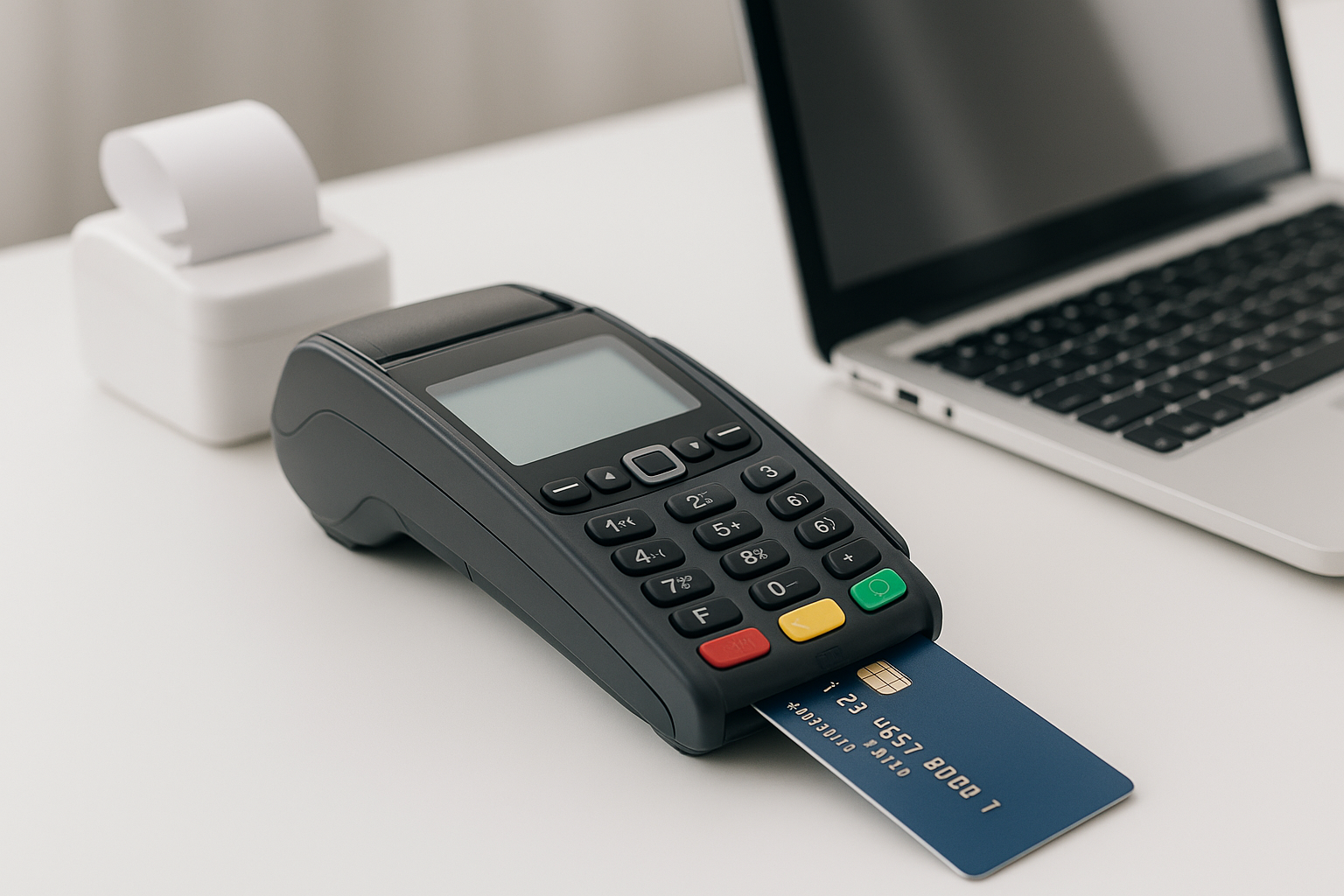

Merchant processing services are the systems and providers that allow businesses to accept payments from customers by credit card, debit card, digital wallet, and other electronic payment methods. In today’s market, offering flexible payment options is more than a convenience—it is essential for increasing sales, improving customer experience, and keeping your business competitive.
Whether you run a small retail shop, an eCommerce store, a restaurant, or a service-based business, understanding how merchant processing services work can help you choose the right solution, reduce costs, and avoid payment-related problems. This guide explains the basics, the key components, common fees, and what to look for in a provider.
What Are Merchant Processing Services?
Merchant processing services refer to the technology and financial services that move money from a customer’s payment method to your business bank account. When a customer pays with a card or digital wallet, the transaction must be authorized, processed, and settled. A merchant processor handles this entire flow behind the scenes.
These services are often provided by payment processors, merchant account providers, acquiring banks, and payment gateways. In many cases, a business may use one company that bundles these services together, making it simpler to accept payments in-store, online, or on the go.
Why Merchant Processing Services Matter
Modern customers expect fast, secure, and convenient payment options. If a business can only accept cash or limited payment types, it may lose sales. Merchant processing services help businesses:
- Accept multiple payment methods
- Speed up checkout and reduce wait times
- Increase customer satisfaction
- Improve cash flow with faster access to funds
- Sell through multiple channels, including online and mobile
How Merchant Processing Services Work
Although the payment process feels instant to the customer, several steps happen in seconds behind the scenes.
Step 1: The Customer Makes a Payment
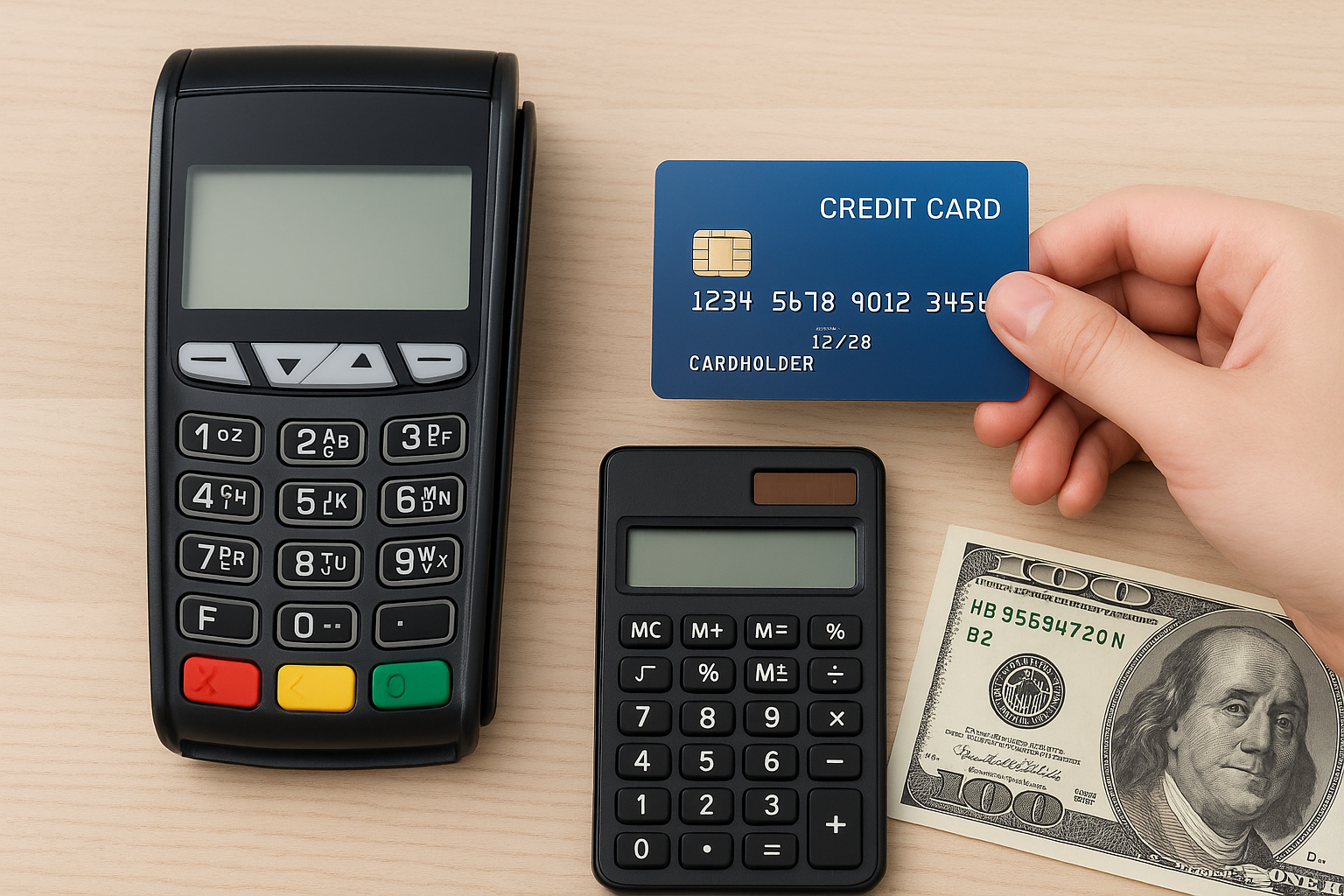
The customer presents a card, taps a phone, or enters payment details online. This information is captured by a POS terminal, payment gateway, or mobile payment app.
Step 2: The Transaction Is Authorized
The payment processor sends the transaction details to the customer’s card network and issuing bank. The bank checks whether the card is valid, the account has enough funds or credit, and whether the transaction appears legitimate.
Step 3: Approval or Decline
If everything checks out, the transaction is approved. If there is an issue, such as insufficient funds or a suspected fraud risk, the transaction is declined.
Step 4: Funds Are Settled
After approval, the payment is batched and settled. The merchant receives the funds in their business bank account, usually within one to three business days, depending on the provider and account setup.
Core Components of Merchant Processing Services
Merchant processing is not just one service. It is usually a combination of several components working together.
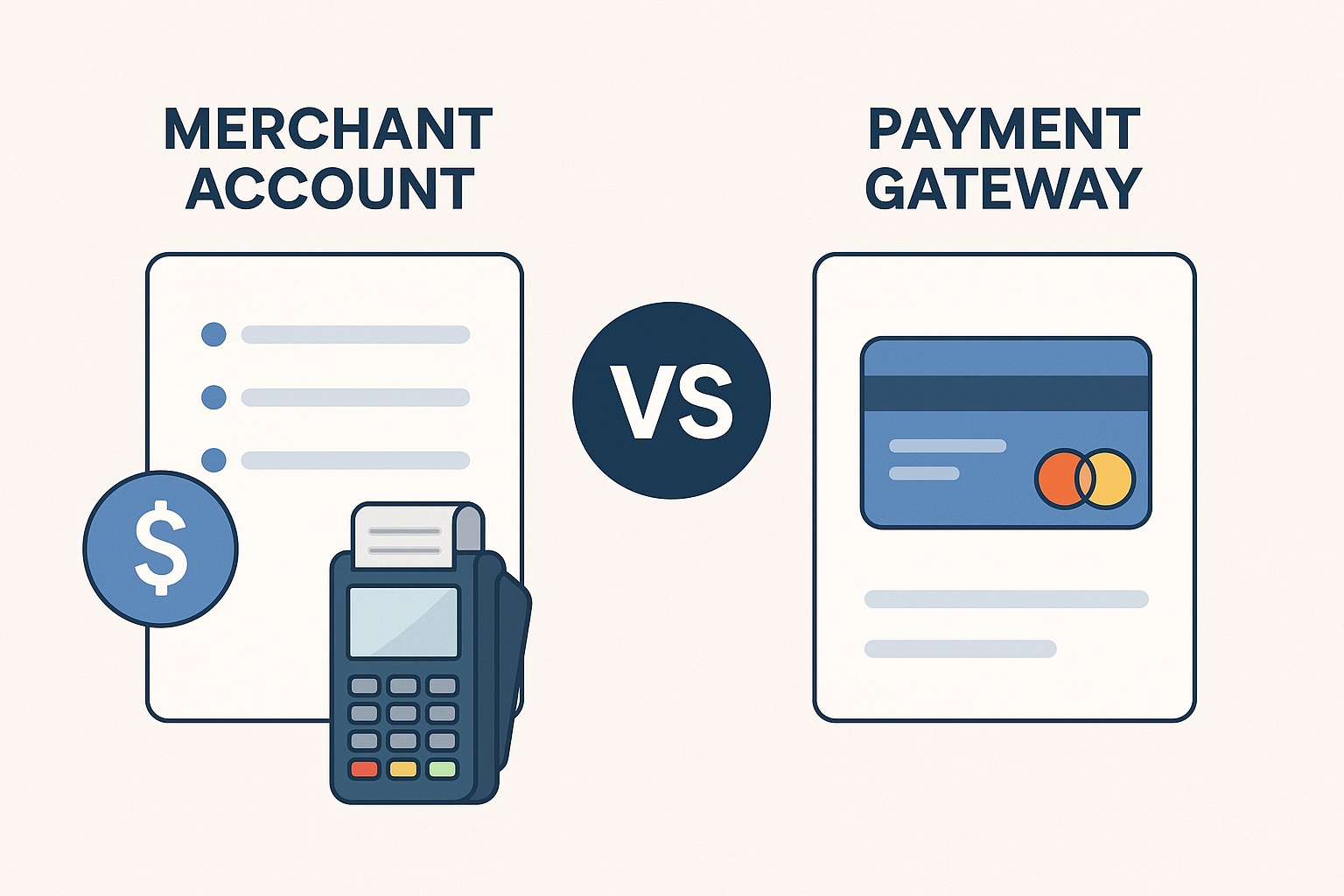
Merchant Account
A merchant account is a special type of bank account that temporarily holds funds from card payments before they are transferred to your business bank account. Not every provider requires a separate merchant account, but many traditional processors do.
Payment Processor
The payment processor transmits transaction data between your business, the card networks, and the banks involved in the payment. It is responsible for helping move the payment through the system securely and efficiently.
Payment Gateway
A payment gateway is the digital tool that securely captures and encrypts card information for online transactions. It acts like the online equivalent of a card terminal, protecting sensitive payment data during checkout.
Point-of-Sale System
For brick-and-mortar businesses, a POS system allows staff to accept payments at the register, track sales, manage inventory, and sometimes handle reporting and customer data.
Types of Merchant Processing Services
Different businesses need different payment solutions. The right merchant processing service depends on your sales model, transaction volume, and customer preferences.
In-Person Payment Processing
This is ideal for retail stores, restaurants, salons, and other businesses that accept face-to-face payments. It usually involves card readers, terminals, or full POS systems that support chip cards, contactless payments, and mobile wallets.
Online Payment Processing
eCommerce businesses rely on online merchant processing services to accept payments through websites and checkout pages. These solutions typically include payment gateways, fraud tools, and integration with shopping carts or ecommerce platforms.
Mobile Payment Processing
Mobile processing allows businesses to accept payments from a smartphone or tablet. This option is useful for contractors, vendors, pop-up shops, delivery services, and businesses that need to take payments on the move.
Virtual Terminal Processing
A virtual terminal lets merchants manually enter payment information through a secure web-based interface. It is often used for mail-order, phone-order, and customer service payments.
Common Merchant Processing Fees
Merchant processing services come with fees, and understanding them can help you make a smarter decision. Pricing structures vary widely, so it is important to compare providers carefully.
Transaction Fees
These are charged each time a payment is processed. They may be a percentage of the sale, a flat fee, or both.
Monthly Fees
Some providers charge monthly account fees, statement fees, gateway fees, or platform fees.
Chargeback Fees
If a customer disputes a transaction and the payment is reversed, the business may be charged a chargeback fee in addition to losing the original revenue.
Equipment and Setup Fees
Businesses that need card terminals, POS hardware, or installation services may face upfront equipment costs or leasing arrangements.
Interchange Plus vs. Flat-Rate Pricing
Two common pricing models are interchange-plus pricing and flat-rate pricing. Interchange-plus is often more transparent, as it separates the card network’s interchange fee from the processor’s markup. Flat-rate pricing is simpler and easier to understand, but it may cost more for some businesses over time.
How to Choose the Right Merchant Processing Service
Selecting the right provider can have a major impact on your payment costs, customer experience, and day-to-day operations. The best choice depends on your business model and goals.
Look at Your Sales Volume
Businesses with high transaction volume may benefit from lower per-transaction fees and customized pricing. Lower-volume businesses may prefer simple flat-rate pricing with no complex contract terms.
Consider Your Sales Channels
If you sell both in person and online, you may want a provider that supports omnichannel payments. This can simplify reporting and make operations easier to manage.
Review Security Features
Look for PCI compliance support, encryption, tokenization, fraud monitoring, and chargeback protection tools. Security should be a top priority for any business handling payment data.
Check Integrations
Your merchant processor should work well with your accounting software, shopping cart, CRM, inventory tools, or scheduling platform. Strong integrations save time and reduce manual entry.
Evaluate Customer Support
Payment problems can interrupt sales quickly, so responsive customer support is important. Choose a provider with reliable support channels and a good reputation for solving issues fast.
Benefits of Using Professional Merchant Processing Services
Working with a trusted merchant processing provider can improve more than just payment acceptance. It can also support growth and efficiency.
- Faster checkout: Modern payment systems reduce wait times and improve customer flow.
- Better cash flow: Electronic payments are typically deposited faster than checks.
- Improved sales opportunities: Accepting more payment types reduces friction at checkout.
- Professional image: Customers often view businesses with modern payment options as more trustworthy.
- Operational insights: Many providers offer dashboards and reports that help businesses track performance.
Common Challenges to Watch For
While merchant processing services are valuable, they are not without challenges. Being aware of common issues can help you avoid surprises.
Hidden Fees
Some providers advertise low rates but add extra fees in the contract. Always read the pricing terms carefully and ask for a full fee breakdown.
Contract Commitments
Long-term agreements, early termination fees, and equipment leases can create problems if the service does not meet expectations.
Fraud and Chargebacks
Businesses that accept card-not-present payments may face a higher risk of fraud and disputes. Good security tools and clear refund policies help reduce these issues.
Downtime and Technical Problems
System outages or connectivity issues can prevent you from accepting payments. Choosing a reliable provider with strong support is essential.
Conclusion
Merchant processing services are a vital part of running a modern business. They make it possible to accept secure, convenient payments across in-store, online, and mobile channels. By understanding how these services work, what fees to expect, and how to choose the right provider, you can make smarter decisions that support growth and improve customer satisfaction.
With the right merchant processing solution in place, your business can streamline checkout, reduce friction, and create a better payment experience for every customer.