
Credit Card Processing for Contractors
For contractors, getting paid quickly matters just as much as completing the job well. Whether you’re a general contractor, electrician, plumber, roofer, painter, or handyman, offering credit card payments can make it easier for customers to say yes, reduce delays, and improve your cash flow. In today’s market, clients expect convenient payment options, and contractors who accept cards often look more professional and more organized.
Credit card processing for contractors is not just about convenience. It can help you close more jobs, collect deposits upfront, and avoid the frustration of waiting on checks or bank transfers. The right setup can also help you manage invoices, accept payments in the field, and keep your accounting cleaner. In this article, we’ll break down how contractor credit card processing works, the main benefits, the fees to watch for, and how to choose the best solution for your business.
Why Contractors Should Accept Credit Card Payments
Contracting work often involves large projects, urgent repairs, and customers who want flexibility. Accepting credit cards gives your clients a simple way to pay, especially after a home repair or service call when they may not have cash or a check ready.
There are several reasons contractors benefit from card payments:
- Faster payment collection: You can get paid the same day instead of waiting for checks to clear.
- Better cash flow: Faster access to funds helps you cover materials, labor, and overhead.
- More closed jobs: Customers are more likely to approve work when payment is easy and flexible.
- Professional image: Offering card payments shows that your business is modern and customer-friendly.
- Useful for deposits and milestones: You can collect a deposit before work begins or request payment at project stages.
For small contracting businesses, even one or two delayed payments can create real strain. Credit card processing helps reduce that pressure and gives you more control over your revenue cycle.
How Credit Card Processing Works for Contractors
At a basic level, credit card processing allows you to accept card payments from customers and transfer the money into your business bank account. When a customer pays by card, the payment is authorized, routed through the processor, and settled into your account after fees are deducted.
Contractors typically use one or more of the following payment methods:
- Mobile card readers: Portable devices that connect to a phone or tablet for in-person payments.
- Virtual terminals: Online dashboards where you can key in card details from an office or job site.
- Payment links: Secure links sent by email or text that let customers pay online.
- Invoicing software: Tools that let you send branded invoices with embedded payment options.
Many contractors combine invoicing and payment processing so customers can review the invoice and pay immediately. This can be especially useful for service calls, repair jobs, and projects with scheduled progress payments.
Benefits of Credit Card Processing for Contractors
Improved Cash Flow
One of the biggest advantages is faster access to money. Instead of waiting 7 to 30 days for a check, you can often receive card payments within a few business days or even sooner, depending on your provider. That quicker turnaround helps you pay suppliers, subcontractors, and employees without disruption.
Easier Deposits and Progress Payments
Many contractors require a deposit before work begins, especially for custom builds, remodels, or jobs that require expensive materials. Credit card processing makes it easy to collect that deposit upfront and then bill for the remaining balance at project milestones.
Reduced Payment Delays
Checks can be lost, bounced, or simply forgotten. With card payments, customers can pay right away from their phone or in person on-site, reducing the back-and-forth needed to get paid.
Better Customer Experience
Convenient payment options make life easier for your customers. When clients can pay by card, they have more flexibility and are more likely to view your business as efficient and trustworthy.
More Organized Recordkeeping
Most payment processors integrate with accounting or invoicing tools. That means fewer manual entries, cleaner records, and less time spent chasing down payment information during tax season.
Common Fees and Costs to Watch For
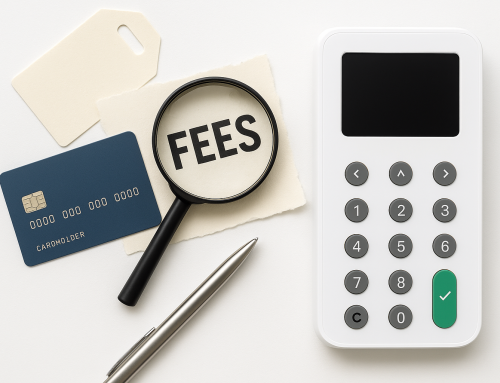
While credit card processing can be highly valuable, contractors should understand the costs involved. Fees vary by provider, processing method, and the type of card used.
Common charges include:
- Transaction fees: Usually a percentage of each sale plus a flat fee.
- Monthly fees: Some providers charge for software access, reporting, or account maintenance.
- Chargeback fees: If a customer disputes a payment, you may be charged a fee.
- Equipment costs: Card readers, terminals, or other hardware may require upfront purchase or rental.
- Early termination fees: Some contracts include penalties for canceling before the term ends.
It’s important to compare total cost, not just headline rates. A low advertised rate may come with hidden fees that make the service more expensive overall. Contractors should also ask whether pricing changes for keyed-in payments, card-not-present transactions, or higher-risk industries.
What Contractors Should Look for in a Payment Processor
The best processor for your business depends on how you work. A contractor who spends most of the day in the field will have different needs than one who manages larger commercial projects from an office.
When comparing options, look for these features:
- Mobile payment capability: Accept payments on-site with a phone or tablet.
- Invoice and estimate tools: Send quotes, invoices, and payment requests from one system.
- Fast funding: Look for quick deposits so you can keep cash moving.
- Recurring or milestone billing: Useful for long projects and phased work.
- Integration with accounting software: Helps simplify bookkeeping and tax preparation.
- Clear pricing: Choose a provider with transparent fees and no confusing contract terms.
- Strong customer support: Responsive support matters when payments are delayed or a terminal stops working.
Security is another critical factor. Make sure the processor uses PCI-compliant technology to help protect customer data and reduce fraud risk.
Best Practices for Accepting Card Payments as a Contractor
To make the most of credit card processing, contractors should build payment policies into their workflow.
- Set payment terms upfront: Explain when deposits, progress payments, and final balances are due.
- Get written approval: Always confirm the scope, price, and payment terms in writing.
- Use invoices for every job: This creates a clean record of work performed and money collected.
- Request card authorization when needed: For larger jobs, make sure you have permission to charge the card.
- Keep receipts and documentation: Good records help with disputes and accounting.
- Train your team: Anyone who handles payments should know how to process them correctly and securely.
It’s also smart to communicate any card processing fees clearly. In some cases, contractors choose to build processing costs into project pricing rather than adding a separate fee. Whatever approach you use, consistency helps avoid confusion and protects customer relationships.
Conclusion
Credit card processing for contractors can make a major difference in how smoothly your business runs. From faster payments and better cash flow to a more professional customer experience, the right payment solution helps you stay organized and focused on the work that matters most.
If you choose a processor with transparent pricing, mobile flexibility, and tools that fit your workflow, you’ll be better equipped to manage deposits, collect balances, and keep projects moving. For many contractors, accepting credit cards is no longer just a convenience—it’s a smart business strategy.