Why Credit Card Processing Matters for Contractors
For contractors, getting paid promptly is just as important as doing quality work. Whether you’re a general contractor, electrician, plumber, landscaper, roofer, or remodeler, delayed payments can strain cash flow, slow down materials purchases, and make it harder to keep projects moving. Credit card processing gives your business a faster, more convenient way to collect payments from clients.
Many customers now expect flexible payment options. If you only accept checks or cash, you may create friction at the exact moment when a client is ready to pay. Offering card payments can help you close jobs faster, reduce awkward collection conversations, and present a more professional image. It also helps with larger projects, where splitting the total into deposits, milestones, and final payments is often more manageable for the customer.
Beyond convenience, credit card processing can improve your overall business operations. Payments can be recorded automatically, receipts can be sent instantly, and fewer manual errors occur compared with tracking paper checks or cash. For contractors who work in the field, this efficiency can make a meaningful difference.
How Credit Card Processing Works for Contracting Businesses
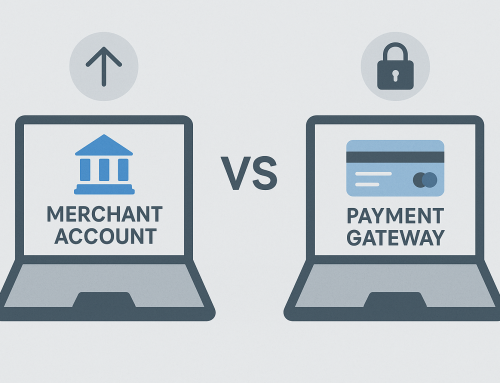
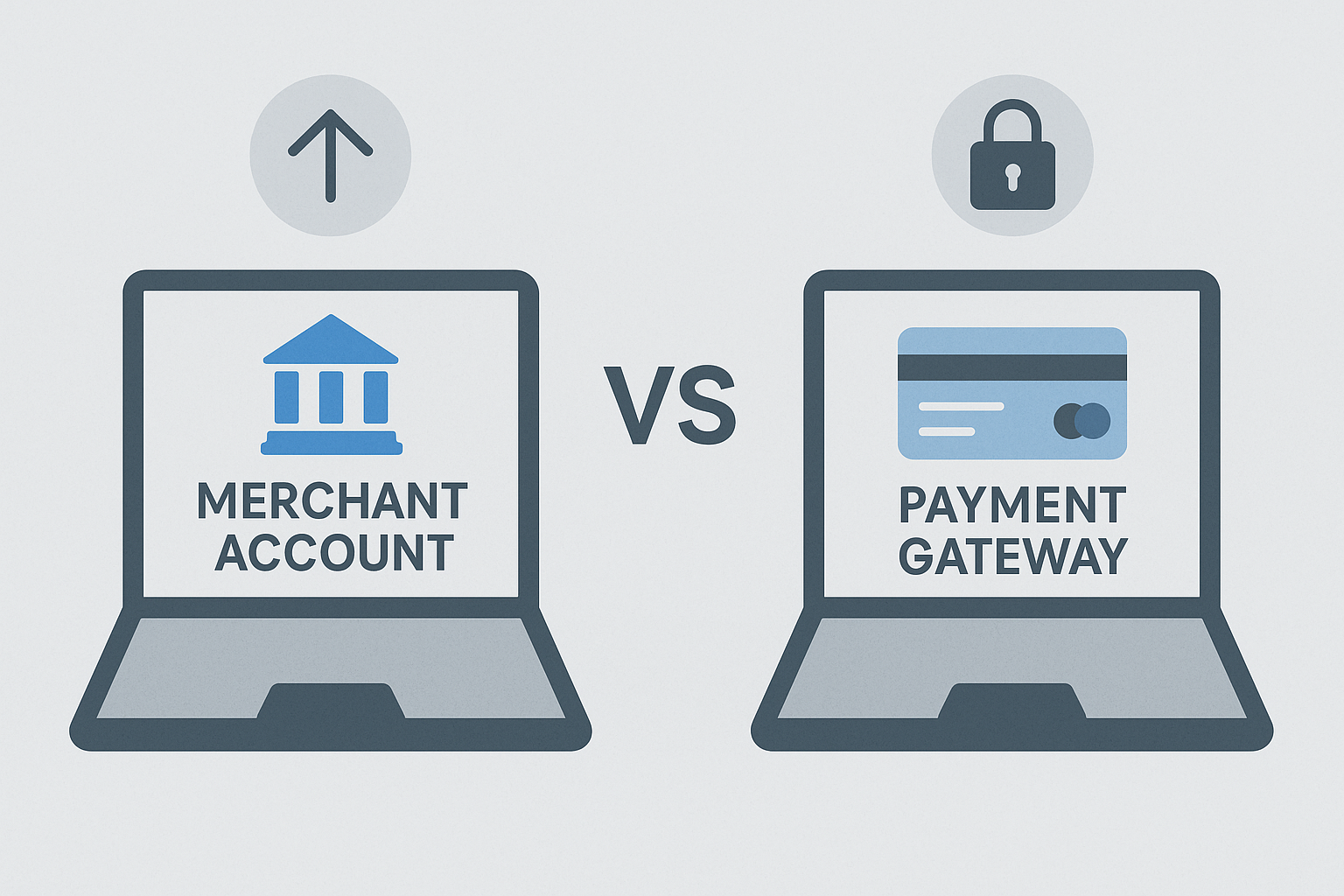
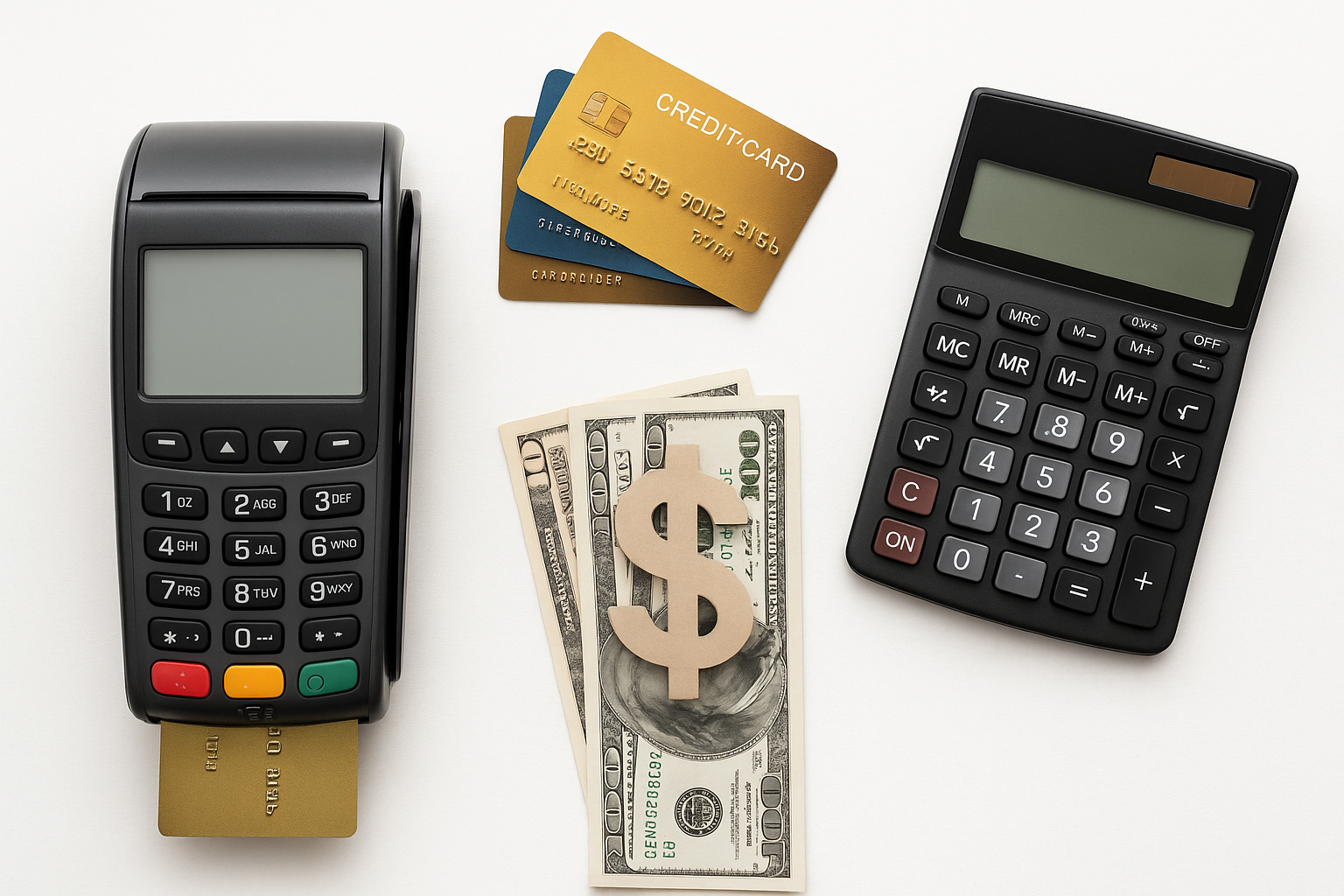
At a basic level, credit card processing allows you to accept card payments from customers and transfer those funds into your business bank account. The process typically involves a payment processor, a merchant account, and a payment terminal or online payment system.
When a customer pays, the card information is authorized, the transaction is approved, and the payment is submitted for settlement. Depending on your setup, the funds may arrive in your account in one to three business days. Some processors offer next-day or same-day funding for an additional fee.
Contractors often need more than one payment method. For example, you may take payments in person on a job site, send digital invoices for completed work, or collect deposits online before starting a project. A good credit card processing setup should support all of these use cases.
In-person payment options
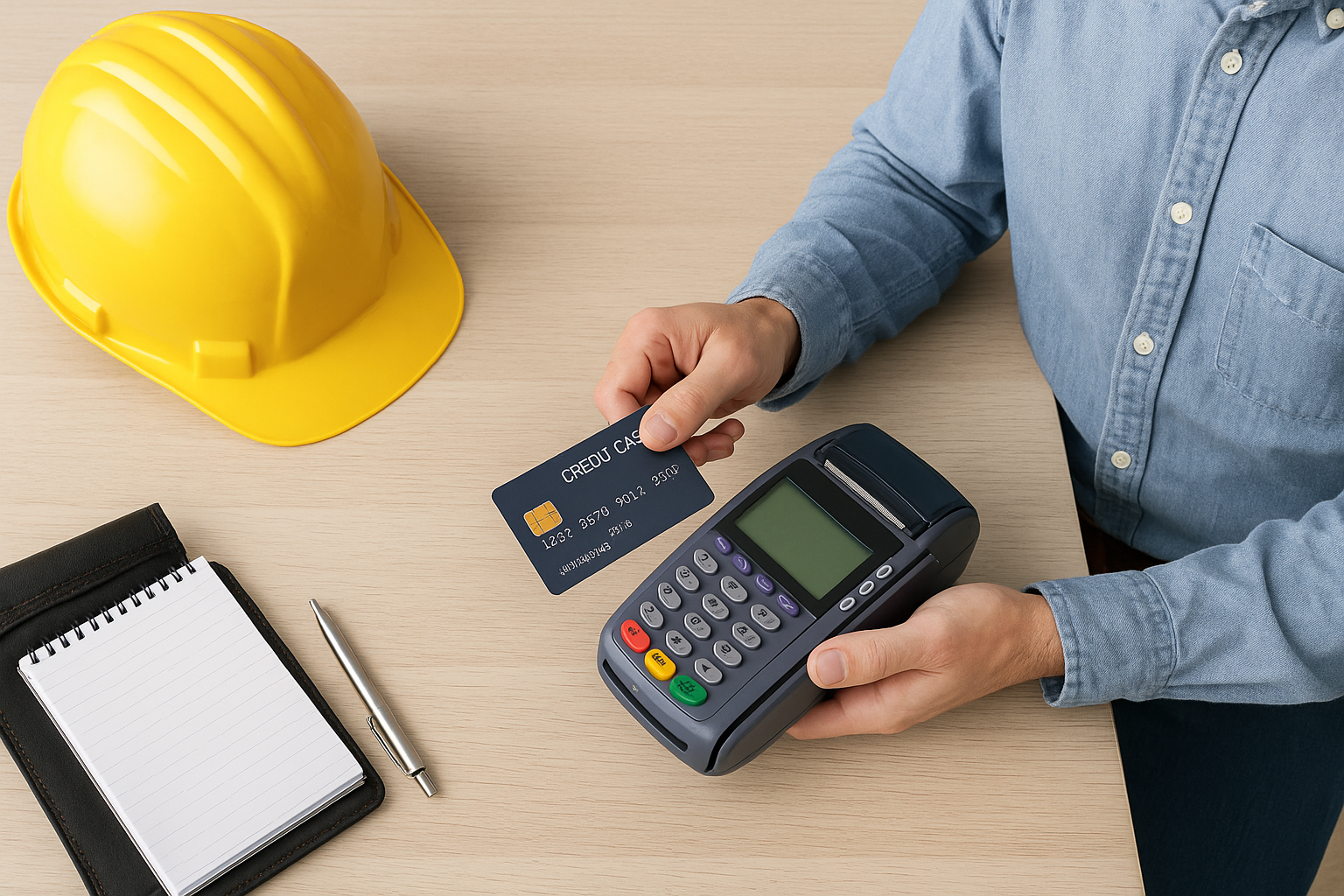
In-person payments are useful when you want to collect a deposit, partial payment, or final invoice on-site. Mobile card readers, countertop terminals, and tap-to-pay options make it easy to accept payments wherever the job takes you.
Online and invoice payments
Many contractors send invoices by email or text with a payment link attached. This allows customers to pay from their phone or computer without mailing a check. It also speeds up collections and helps reduce overdue balances.
Benefits of Accepting Credit Cards on the Job
Accepting credit cards offers several advantages for contractors. First, it helps you get paid sooner. Customers are more likely to pay immediately when a card option is available, especially if the amount is large or the job is time-sensitive.
Second, it improves customer experience. Many clients prefer the convenience of paying by card, especially if they want to earn rewards, manage spending, or avoid writing checks. When you make payment easy, you remove one more obstacle from the customer relationship.
Third, it can reduce administrative work. Credit card payments are easier to track than cash and faster to reconcile than paper checks. Many processors integrate with accounting software, which saves time during bookkeeping and tax preparation.
Finally, card payments can support business growth. If your company handles larger jobs or recurring service calls, a reliable payment system can make it easier to scale without creating extra office work.
Choosing the Right Payment Processor
Not all payment processors are the same, and contractors should compare options carefully. The right provider will depend on your business size, how you get paid, and how often you work in the field. Focus on processors that offer flexibility, strong support, and clear pricing.
Key features to look for
- Mobile payment tools: Choose a processor that works well on job sites and in the field.
- Invoice and text-to-pay options: These make it easier to collect remote payments.
- Fast funding: Quick access to cash can help cover materials, payroll, and overhead.
- Accounting integrations: Look for compatibility with software like QuickBooks or other bookkeeping tools.
- Transparent pricing: Make sure fees, monthly charges, and contract terms are clearly explained.
- Reliable customer support: You need help quickly if a card reader fails or a transaction is declined.
It’s also wise to ask whether the processor supports deposits, partial payments, recurring billing, and saved customer profiles. These features can be especially helpful for contractors who handle project-based work or maintenance plans.
Questions to ask before signing up
- What are the transaction fees for card-present and card-not-present payments?
- Are there monthly fees, setup fees, or cancellation fees?
- How long does it take to receive deposits?
- Can the system work on mobile devices and tablets?
- Does the platform support invoices, estimates, and payment links?
Common Fees and Pricing Models
Understanding pricing is important because processing costs can affect your profit margin. Most processors charge a percentage of each transaction, plus a fixed fee. Some may also charge monthly account fees, hardware fees, chargeback fees, or gateway fees.
The most common pricing models include flat-rate pricing, interchange-plus pricing, and tiered pricing. Flat-rate pricing is often simpler to understand, while interchange-plus can be more transparent for businesses with higher processing volume. Tiered pricing can be harder to evaluate because transactions may be categorized in ways that are not always easy to predict.
For contractors, the best option depends on how you accept payments. If you collect many smaller card payments, flat-rate pricing may be convenient. If you process larger volumes, it may be worth comparing interchange-plus pricing to see if you can save money over time.
Be sure to review the total cost, not just the advertised rate. A processor with low transaction fees but high monthly charges may cost more than one with a slightly higher percentage and fewer extras.
Best Practices for Contractors Accepting Card Payments
Once you choose a processor, a few simple practices can help you use it effectively. Start by setting clear payment expectations in your estimates and contracts. Let customers know when deposits are due, when final balances are due, and what payment methods you accept.
It also helps to collect payments as close to the work completion date as possible. The longer you wait, the more likely you are to encounter delays. If you routinely require deposits, use them to secure scheduling and cover upfront material costs.
Make sure your team understands how to handle payments professionally. Whether they are using a mobile reader at a job site or sending an invoice after a project, consistency matters. Keep payment records organized, and reconcile transactions regularly so nothing falls through the cracks.
Finally, stay aware of chargeback risks. Clear estimates, signed contracts, progress photos, and written approvals can help protect your business if a customer disputes a charge.
Conclusion
Credit card processing can be a smart investment for contractors who want faster payments, better cash flow, and a more convenient experience for customers. By choosing the right processor and using clear payment practices, you can reduce collection headaches and keep projects moving forward. In a competitive market, making it easy to pay is one more way to strengthen your business.