What Is a Mobile POS System?
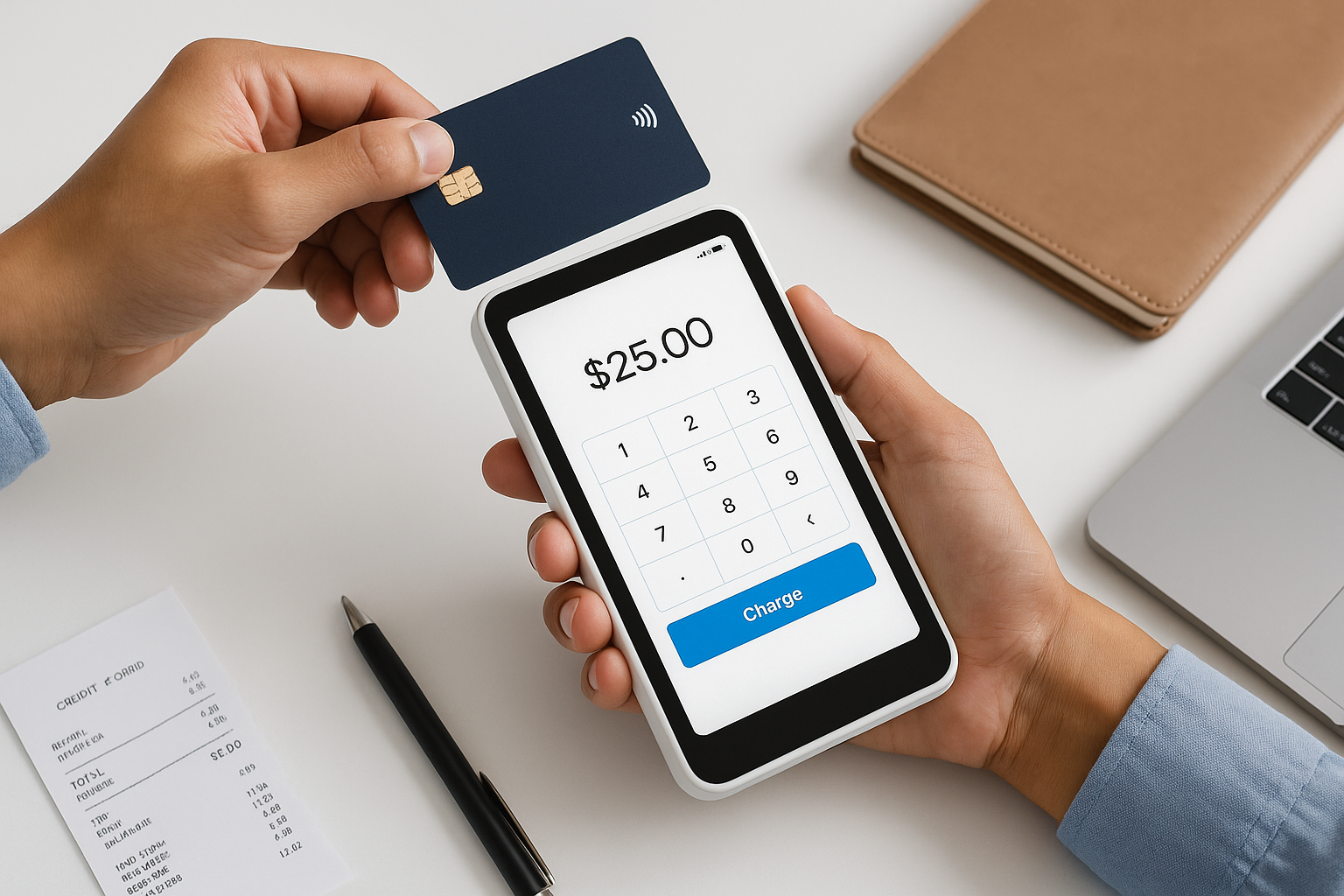
A mobile POS (point of sale) system is a portable checkout solution that lets businesses accept payments and manage sales using a smartphone or tablet instead of a traditional cash register. With the right app and hardware, a mobile device can process card payments, scan items, manage inventory, send receipts, and even track customer data.
Unlike a fixed POS terminal, a mobile POS system gives businesses the flexibility to sell anywhere—at a retail counter, on the go, at a pop-up event, on a restaurant patio, or directly at a customer’s location. This portability has made mobile POS systems especially popular with small businesses, service providers, food trucks, and growing retailers that want faster checkout and lower setup costs.
How Mobile POS Systems Work
Mobile POS systems work by combining software, a connected mobile device, and payment hardware to complete transactions. The process is simple:
- A staff member opens the POS app on a phone or tablet.
- They ring up items, services, or custom charges.
- The customer pays using a card, mobile wallet, or contactless method.
- The system processes the payment through a secure payment gateway.
- A receipt is sent by email or text, or printed if a printer is connected.
Most mobile POS systems also sync data to the cloud, which means sales records, inventory levels, and customer information update in real time across all connected devices. This makes it easier for managers to monitor performance and keep operations organized.
Key Features of Mobile POS Systems
Mobile POS platforms vary by provider, but most include a core set of features designed to simplify sales and business management. The most common features include:
Payment Processing
Mobile POS systems accept a variety of payment types, including chip cards, swipe cards, tap-to-pay, Apple Pay, Google Pay, and other digital wallets. Many also support invoicing, stored cards, and partial payments.
Inventory Management
Some mobile POS tools automatically track stock levels as items are sold. This helps businesses avoid overselling, identify best-selling products, and reorder inventory more efficiently.
Sales Reporting
Built-in reporting dashboards show daily sales, average ticket value, product performance, and employee activity. These insights help business owners make informed decisions without needing separate accounting tools for basic tracking.
Customer Management
Many systems store customer profiles, purchase history, and contact details. This can support loyalty programs, personalized offers, and better customer service.
Hardware Integration
Mobile POS solutions often work with card readers, barcode scanners, receipt printers, cash drawers, and stands. These accessories can turn a tablet or phone into a full checkout station when needed.
Benefits of Mobile POS Systems
There are several reasons mobile POS systems have become a go-to option for modern businesses. One of the biggest benefits is flexibility. Because the system moves with the user, staff can complete transactions wherever the sale happens instead of sending customers to a fixed checkout counter.
Another major advantage is lower upfront cost. Traditional POS setups can require expensive terminals, wiring, and installation. Mobile POS systems typically use hardware businesses already own, such as iPads or Android tablets, reducing setup expenses.
Mobile POS systems can also improve the customer experience. Shorter lines, faster checkout, and the ability to pay at the table or curbside make the purchasing process smoother and more convenient. For businesses in busy environments, this can directly improve satisfaction and speed up service.
Scalability is another important benefit. A business can start with one mobile device and expand by adding more devices as sales grow. Cloud-based software makes it easier to manage multiple locations, new staff members, and changing product lines without replacing the entire system.
Industries That Use Mobile POS Systems
Mobile POS systems are useful across a wide range of industries. In retail, they help associates check out customers anywhere in the store, reducing wait times during busy periods. In restaurants and cafes, servers can take orders and process payments at the table, helping improve table turnover and service quality.
Food trucks, farmers markets, and event vendors rely on mobile POS systems because they need a payment solution that works outside a permanent storefront. Service businesses like salons, repair technicians, and personal trainers also benefit from taking payments on-site or after appointments.
Even larger businesses use mobile POS tools for line busting, pop-up shops, and temporary sales stations during seasonal events. The ability to accept payments quickly in almost any setting makes mobile POS a practical choice for many business models.
How to Choose the Right Mobile POS System
Choosing the right mobile POS system starts with understanding your business needs. Consider where you sell, how many employees need access, and which features are essential. A small vendor may need only payment processing and receipts, while a multi-location retailer may require inventory control, employee permissions, and advanced reporting.
It is also important to look at compatibility. Make sure the POS software works with your devices and supports the hardware you need, such as card readers or printers. If you already use accounting, e-commerce, or loyalty software, check whether the system integrates with those tools.
Pricing should be reviewed carefully as well. Some providers charge monthly software fees, while others take a percentage of each transaction. Be sure to compare hardware costs, processing rates, contract terms, and any add-on fees for advanced features.
Security is another top priority. Choose a solution that supports encryption, EMV chip processing, tokenization, and user permissions. These protections help reduce fraud risk and protect customer information.
Finally, think about support and ease of use. A system should be intuitive enough for staff to learn quickly, especially if turnover is frequent. Responsive customer support can also make a big difference if technical issues arise during business hours.
Challenges and Limitations to Consider
While mobile POS systems offer many advantages, they are not perfect for every situation. Internet connectivity can be a challenge, especially at outdoor events or in areas with weak Wi-Fi or cellular service. Some systems offer offline mode, but not all features may work without a connection.
Battery life is another consideration. Since mobile POS systems depend on phones or tablets, businesses may need charging stations, battery packs, or backup devices to avoid interruptions during long shifts.
Security and device management can also become more complex when employees use multiple mobile devices. Businesses need clear policies for passwords, updates, access control, and device protection to keep data secure.
Finally, some high-volume businesses may still prefer a traditional POS setup with larger screens, fixed peripherals, and more robust workstation hardware. The best choice depends on the business’s sales environment and operational needs.
The Future of Mobile POS Systems
Mobile POS systems are likely to become even more powerful as technology continues to evolve. Artificial intelligence, improved analytics, and deeper integrations with e-commerce platforms are already making these systems smarter and more useful for day-to-day operations.
Contactless payments and digital wallets are also pushing businesses toward mobile-first checkout experiences. Customers now expect speed, convenience, and multiple payment options, and mobile POS systems are well positioned to meet those expectations.
As hardware becomes lighter, software becomes more intuitive, and cloud tools become more advanced, mobile POS solutions will continue to play a central role in modern commerce.
Conclusion
Mobile POS systems give businesses a flexible, affordable, and efficient way to accept payments and manage sales from almost anywhere. Whether you run a storefront, a restaurant, or a mobile business, the right system can improve service, streamline operations, and support growth. As customer expectations continue to shift toward speed and convenience, mobile POS technology is becoming less of a trend and more of a business essential.