What Is a High-Risk Merchant Account?
A high-risk merchant account is a type of payment processing account designed for businesses that are more likely to experience chargebacks, fraud, or regulatory scrutiny. If your business operates in an industry that banks or processors consider risky, a standard merchant account may not be available, or it may come with restrictive terms. In that case, a high-risk merchant account helps you accept credit and debit card payments while giving the payment processor safeguards against potential losses.
These accounts are common in industries such as travel, nutraceuticals, subscription services, adult entertainment, debt collection, CBD, online coaching, firearms, and certain e-commerce models. The “high-risk” label does not necessarily mean a business is unstable or unreliable. It usually means the business model has characteristics that create more financial exposure for the processor.
Why Businesses Get Classified as High Risk
Processors look at several factors when determining risk. High chargeback ratios, long fulfillment times, recurring billing, international sales, seasonal sales spikes, and businesses with a history of fraud all increase the chance of losses. Some industries also face more customer disputes simply because of the nature of the product or service. For example, subscription businesses may face billing confusion, while travel companies may deal with cancellations and delayed delivery.
In addition to industry type, a business owner’s personal and financial history may matter. Low credit scores, prior merchant account closures, or a lack of processing history can make approval harder. The goal of the processor is to minimize risk, so they review both the business model and the merchant’s background before approving an account.
How High-Risk Merchant Accounts Work
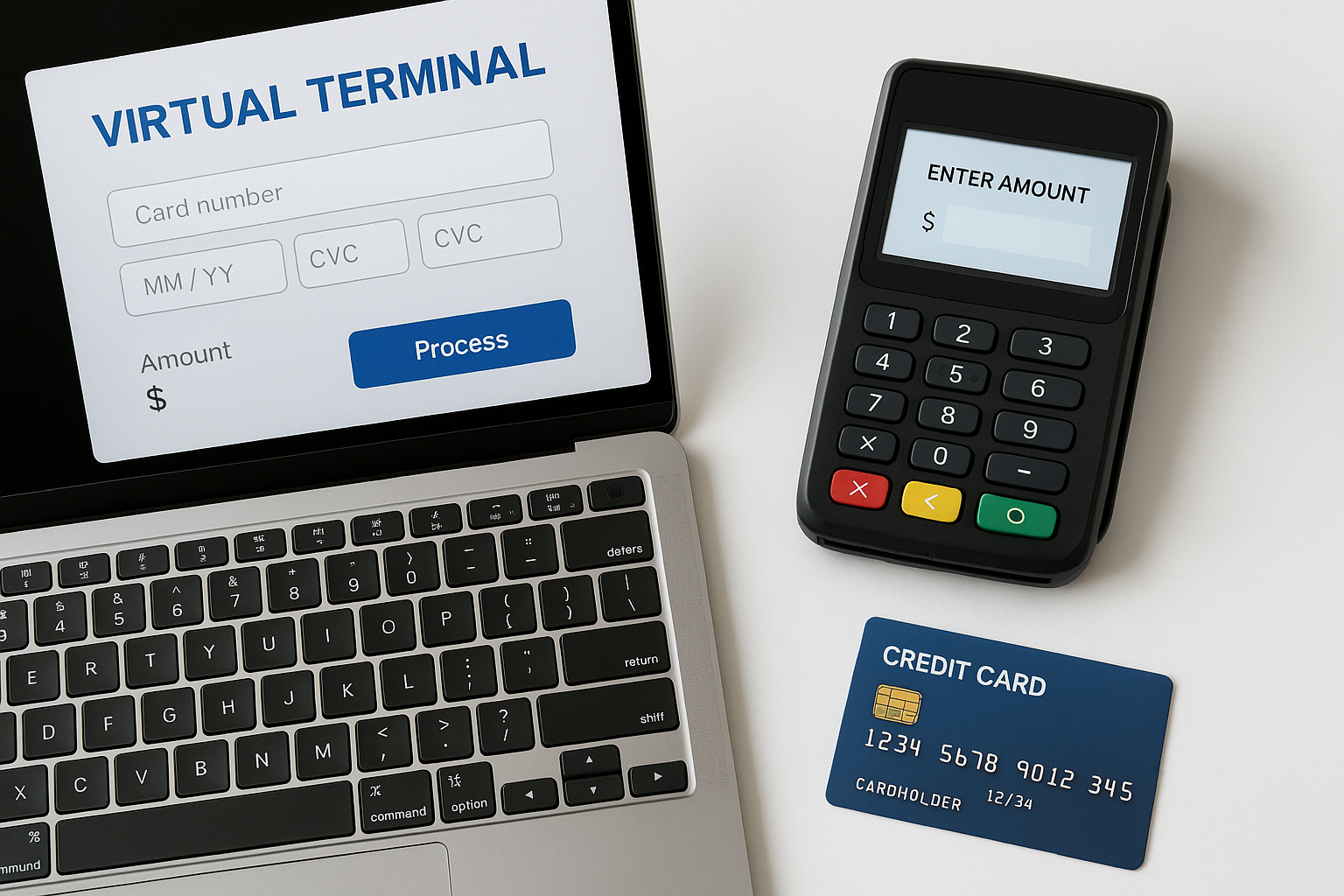
High-risk merchant accounts function much like standard merchant accounts. They allow businesses to accept card payments online, in person, or over the phone. The key difference is that the account is set up with tighter controls and more monitoring. Processors may use rolling reserves, higher transaction fees, and stricter underwriting to protect themselves from chargebacks or fraud losses.
Rolling Reserves and Other Risk Controls
A rolling reserve is one of the most common features of a high-risk merchant account. With this arrangement, the processor holds back a percentage of daily sales for a set period of time. This reserve acts as a financial buffer in case chargebacks or refunds occur later. While reserves can reduce cash flow, they are often necessary for businesses that would otherwise struggle to get approved.
Processors may also impose monthly processing limits, require additional documentation, or monitor transactions closely for suspicious activity. Businesses with strong customer service, clear refund policies, and low dispute rates can sometimes negotiate better terms over time.
Benefits of High-Risk Merchant Accounts
The biggest benefit is simple: they allow businesses to accept payments when standard processors won’t. Without a merchant account, many high-risk businesses would struggle to operate, especially if they rely on recurring billing or online sales. A specialized account can create stability and help a business scale.
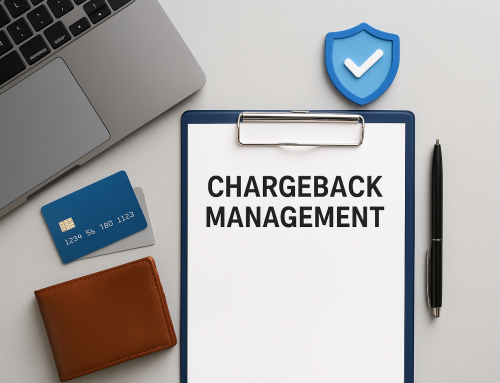
Another benefit is access to payment tools designed for more complex industries. Many high-risk processors support recurring billing, fraud detection tools, chargeback management, and multiple currency options. These features can improve the customer experience and help the business reduce costly disputes.
High-risk merchant accounts can also provide better long-term reliability. Instead of having your account unexpectedly shut down by a mainstream processor, you work with a provider that understands your industry and has systems in place for higher-risk activity.
Challenges and Costs to Expect
High-risk merchant accounts generally cost more than standard accounts. Merchants may pay higher transaction fees, monthly account fees, chargeback fees, gateway fees, or reserve requirements. These costs reflect the additional risk the processor is taking on.
Approval can also take longer. Underwriting usually requires more detailed documentation, such as business licenses, financial statements, processing history, refund policies, fulfillment timelines, and identity verification. The process can feel demanding, but it helps both sides set clear expectations.
Another challenge is account stability. Even after approval, a high-risk account can be reviewed more often than a standard account. If chargebacks rise or transaction patterns change suddenly, the processor may place limits on the account or ask for more documentation. That’s why ongoing compliance matters so much.
How to Choose the Right High-Risk Merchant Account Provider
Choosing the right provider can make a major difference in your payment processing costs and reliability. Look for a company that has experience in your specific industry, not just general high-risk processing. A provider familiar with your business model is more likely to understand your needs and approve terms that make sense.
Key Features to Compare
Start by reviewing pricing structure, reserve requirements, contract length, customer support, and chargeback tools. Ask whether the provider offers fraud prevention, recurring billing support, and integration with your website or point-of-sale system. Transparent terms are essential because hidden fees can quickly reduce profit margins.
It is also wise to check whether the provider works with reputable acquiring banks and offers scalable solutions. As your business grows, your processing volume may increase, and you want a provider that can support that growth without constant disruptions.
Be cautious of processors that promise instant approval without asking questions. A legitimate high-risk provider will still want to understand your business. Too little underwriting may be a red flag, especially if it leads to sudden account freezes later.
Tips for Getting Approved
Preparation improves your chances of approval. Keep your business paperwork organized and be ready to explain your business model clearly. Processors want to know what you sell, how you deliver it, when customers are charged, and how you handle refunds or disputes.
Reducing chargebacks is one of the best ways to strengthen your application. Use clear billing descriptors, provide easy-to-reach customer support, and make sure shipping or delivery timelines are realistic. If you sell subscriptions, make cancellation policies easy to understand. If you operate internationally, make sure your checkout process is transparent about currency conversion and taxes.
It also helps to maintain solid financial records. Consistent revenue, a professional website, and clear terms of service can all improve your credibility. Even if your industry is high-risk, a well-run operation can still qualify for favorable processing terms.
Conclusion
High-risk merchant accounts give businesses in challenging industries a way to accept payments securely and reliably. While they often come with higher fees and stricter requirements, they also provide access to essential tools, better stability, and support from processors that understand complex business models. By preparing your documentation, reducing chargebacks, and choosing the right provider, you can improve your chances of approval and build a more dependable payment system.