
How to Lower Credit Card Processing Fees
Credit card processing fees are one of the most frustrating costs for businesses that accept card payments. Whether you run a retail store, a restaurant, or an online shop, those small percentages and per-transaction charges can add up quickly. The good news is that there are several practical ways to reduce these fees without making life harder for your customers.
Understanding what you’re paying for is the first step. Credit card processing usually includes interchange fees, assessment fees, and processor markups. Some of these costs are non-negotiable, but others can be lowered through smarter setup, better pricing, and stronger business practices. Here’s how to lower credit card processing fees while keeping payments simple and secure.
Understand What You’re Paying For
Before you can cut costs, you need to know where the money is going. Most processing statements are filled with technical terms, bundled charges, and different fee types. Review your statement carefully and look for:
- Interchange fees paid to the card-issuing bank
- Assessment fees charged by card networks like Visa and Mastercard
- Processor markups added by your payment provider
- Monthly fees, statement fees, gateway fees, and PCI compliance fees
- Chargeback fees and penalties for failed transactions
Once you can identify each line item, it becomes much easier to spot inflated costs or services you don’t actually need. Many businesses are surprised to learn they’re paying for features they rarely use.
Choose the Right Pricing Model
Payment processors use different pricing models, and some are more affordable than others depending on your business type and transaction volume. The three most common models are flat-rate, interchange-plus, and tiered pricing.
Flat-rate pricing
Flat-rate pricing charges the same percentage for most transactions. It is simple and predictable, which can be great for small businesses. However, it may cost more if you process a high volume of cards or many debit transactions.
Interchange-plus pricing
Interchange-plus breaks out the actual interchange cost and adds a fixed processor markup. This pricing model is often the most transparent and can be the cheapest option for many growing businesses. It helps you see exactly what you’re paying for and makes it easier to compare providers.
Tiered pricing
Tiered pricing groups transactions into qualified, mid-qualified, and non-qualified categories. It can be difficult to predict and often results in higher costs. If your current processor uses tiered pricing, ask whether switching to interchange-plus would reduce your fees.
Choosing the right pricing model is one of the fastest ways to lower processing costs, especially if you’re currently on a bundled plan that hides the true markup.
Negotiate with Your Processor
Many business owners assume processing rates are fixed, but that is often not true. If your business has steady volume, a long operating history, or competitive offers from other providers, you may be able to negotiate better terms.
Start by asking your current provider to explain every fee. Then request a lower rate, waived monthly charges, or reduced terminal costs. If they won’t budge, get quotes from a few competing processors and use them as leverage. Even a small reduction in markup can make a noticeable difference over time.
Be especially alert to hidden charges such as:
- Monthly minimum fees
- Early termination fees
- PCI non-compliance fees
- Statement and batch fees
Negotiation is often overlooked, but it can be one of the most effective ways to lower credit card processing fees without changing your checkout experience.
Encourage Lower-Cost Payment Methods
Not all card transactions cost the same. Rewards cards, premium business cards, and international cards usually have higher processing costs than standard debit cards. If your business can encourage less expensive payment methods, you may reduce your overall fees.
Here are a few ways to do that:
- Offer ACH or bank transfer options for invoices
- Accept debit cards for in-person purchases
- Set minimum purchase amounts where legally allowed
- Promote digital wallet payments that may qualify for better rates
You may also consider passing on convenience by offering a small discount for cash or ACH payments, where permitted by law and card network rules. Even a modest shift in payment mix can lead to meaningful savings.
Reduce Chargebacks and Fraud
Chargebacks are expensive. Not only can you lose the original sale, but you may also be hit with additional fees and penalties. Fraudulent transactions can raise your costs as well, especially if they lead to higher risk ratings from processors.
To reduce these risks, make sure your checkout process includes strong fraud prevention measures. Use address verification, CVV checks, and fraud screening tools. For online businesses, consider enabling 3D Secure and requiring email or phone verification for suspicious orders.
In addition, keep clear records of transactions, receipts, delivery confirmations, and customer communications. If a chargeback does happen, having solid documentation can improve your chances of winning the dispute.
Lower fraud and fewer chargebacks don’t just protect revenue—they can also improve your standing with processors and help you avoid higher-risk pricing.
Improve Transaction Quality
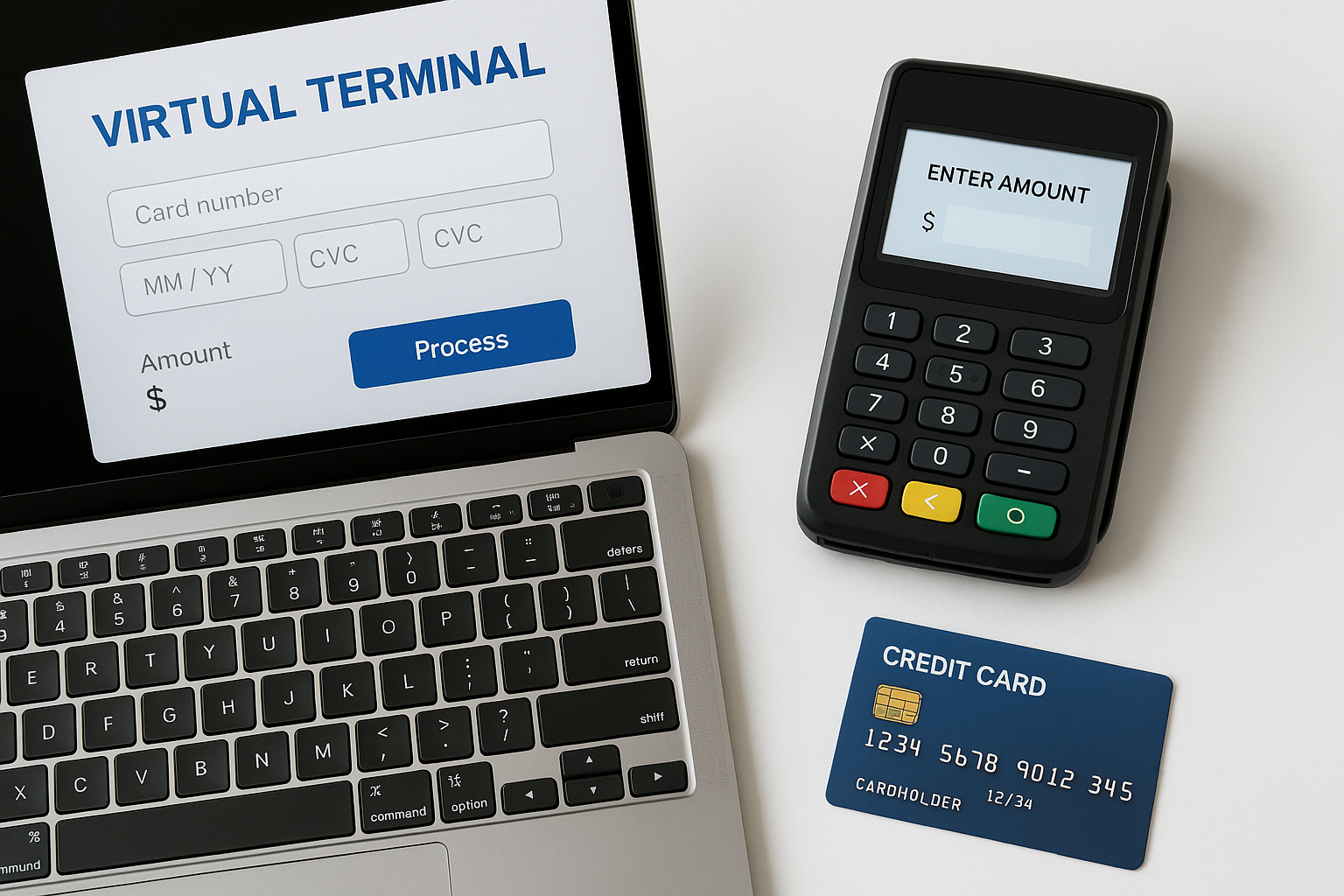
How a transaction is processed can affect the fee you pay. Card-present transactions are usually cheaper than card-not-present transactions because they carry less fraud risk. Similarly, transactions that are properly entered and settled can qualify for better rates.
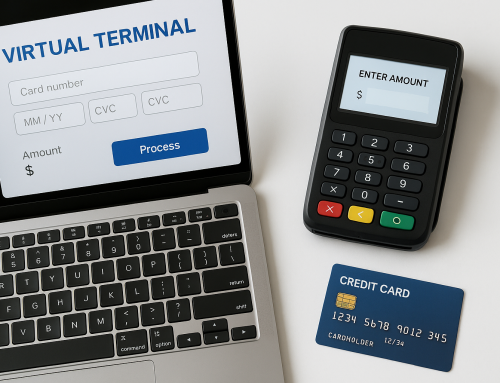
Make sure your staff is trained to process payments correctly. For example, swiping, dipping, or tapping a card is usually less expensive than manually entering card numbers. Manual key-in transactions often come with higher fees because they are considered riskier.
If you run a business with recurring payments or subscriptions, use tools that store payment details securely and process recurring charges efficiently. Cleaner, more accurate transaction data can help reduce avoidable costs over time.
Review Statements Regularly
Processing fees can creep up slowly, especially if your contract includes variable charges or automatic price increases. Reviewing your statements every month helps you catch problems early.
Look for:
- Unexpected new fees
- Rate increases
- Duplicate charges
- Incorrect fee classifications
- Services you no longer use
If anything seems unclear, ask your provider for a detailed explanation. A good processor should be able to show you exactly how each fee is calculated. Regular reviews also make it easier to compare your current provider against other options in the market.
Shop Around Before You Commit
If your processor isn’t delivering fair pricing or good service, don’t be afraid to switch. Many businesses stay with an expensive provider simply because changing seems inconvenient. In reality, the savings from a better contract can outweigh the short-term hassle.
When comparing providers, look beyond the headline rate. Ask about all monthly charges, equipment costs, support quality, contract length, chargeback handling, and integration options. The cheapest advertised rate is not always the best deal.
Request sample statements from each provider so you can compare true total costs. This will help you avoid surprises and make a more informed choice.
Conclusion
Lowering credit card processing fees takes a mix of awareness, negotiation, and smart payment strategy. By understanding your statement, choosing the right pricing model, reducing fraud, and reviewing your provider regularly, you can keep more of your revenue without disrupting the customer experience.
Even small improvements can add up over time. Start with one or two changes, track the results, and keep looking for opportunities to trim unnecessary costs. The more informed you are, the more control you’ll have over your processing expenses.