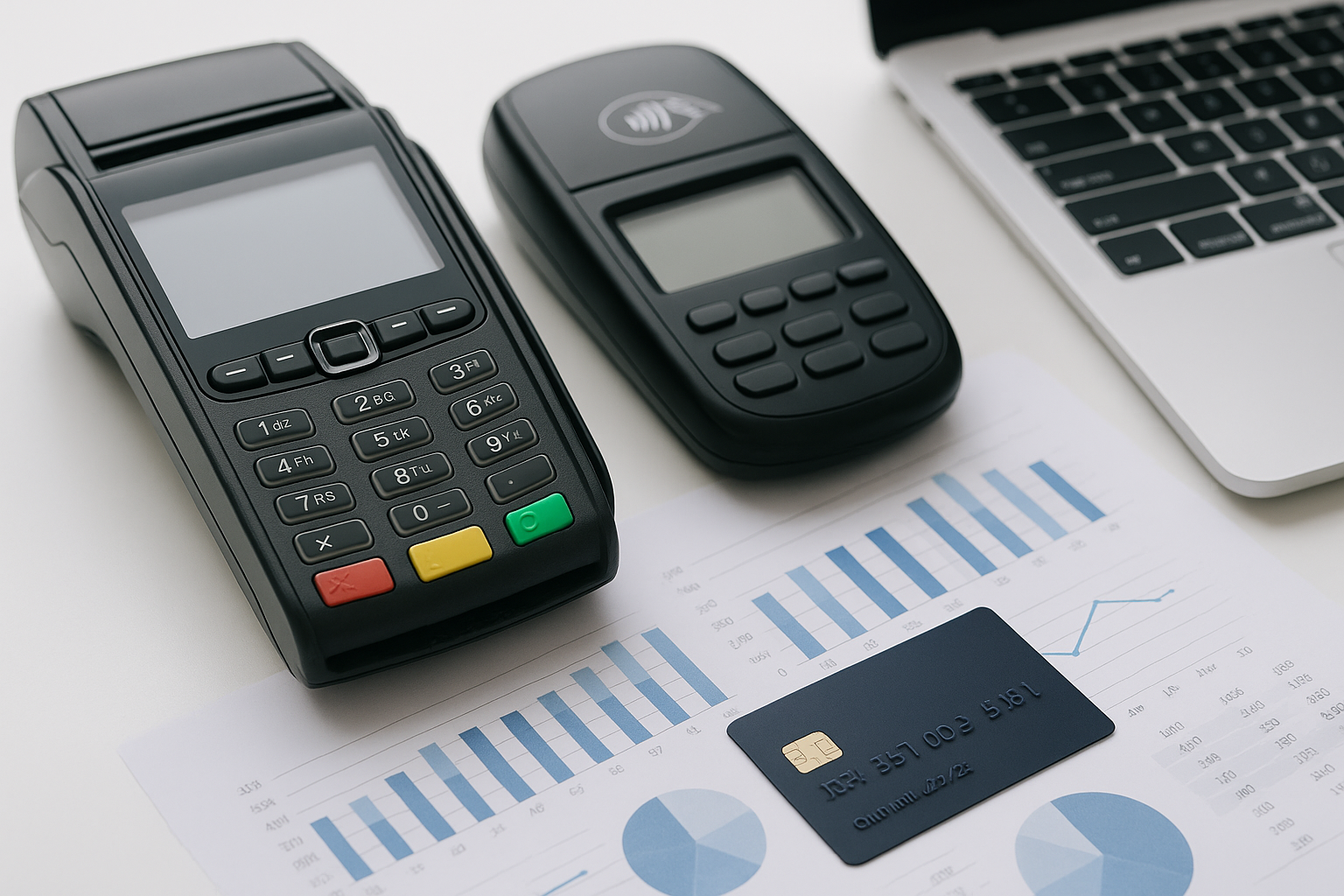
If you accept card payments or plan to start, a merchant service provider is one of the most important partners in your payment stack. These providers make it possible for businesses to process debit and credit card transactions securely, quickly, and reliably. They also connect the moving parts behind the scenes, including payment gateways, processors, card networks, and your business bank account.
Choosing the right provider can affect everything from cash flow and customer experience to fees and fraud protection. In this guide, we’ll explain what a merchant service provider does, the services they offer, how pricing works, and what to look for before you sign up.
What Is a Merchant Service Provider?
A merchant service provider is a company that helps businesses accept electronic payments. In many cases, it acts as the bridge between your customer’s payment method and your business bank account. When a customer pays by card, the merchant service provider helps route and authorize the transaction, then sends the funds through the settlement process.
Depending on the provider, you may also hear terms like payment processor, merchant account provider, or payment service provider. While these roles can overlap, they are not always the same. A merchant service provider may offer a full package of payment tools, including merchant accounts, card terminals, online payment gateways, recurring billing, reporting, and fraud prevention.
Why Businesses Use Merchant Service Providers
Most customers expect to pay with cards, digital wallets, or contactless methods. A merchant service provider gives businesses the ability to meet those expectations while handling the technical and security requirements behind the scenes. For many companies, this is essential for increasing sales, improving customer convenience, and reducing manual payment handling.
How Merchant Service Providers Work
When a customer makes a payment, several steps happen in seconds. The merchant service provider helps move the transaction through this chain:
- Payment initiation: The customer presents a card, wallet, or other payment method.
- Authorization: The provider sends the transaction details to the processor and card network for approval.
- Verification: The customer’s bank checks whether the funds or credit are available.
- Approval or decline: The transaction is approved or rejected.
- Settlement: If approved, the funds are transferred to the merchant account and later deposited into the business bank account.
This process is built to be fast, secure, and dependable. A good merchant service provider helps reduce delays, errors, and failed payments, all of which can hurt revenue and customer trust.
Core Services Offered by Merchant Service Providers
Merchant service providers often do much more than just process card payments. The best ones offer a range of tools that support both in-person and online sales.
Card Payment Processing
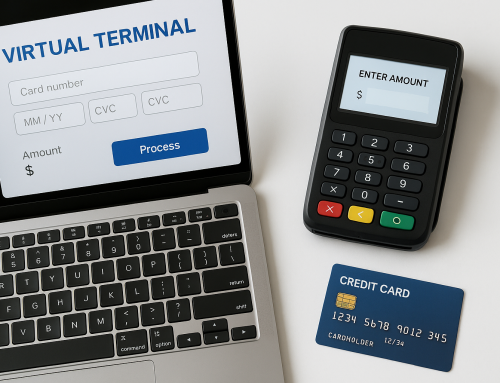
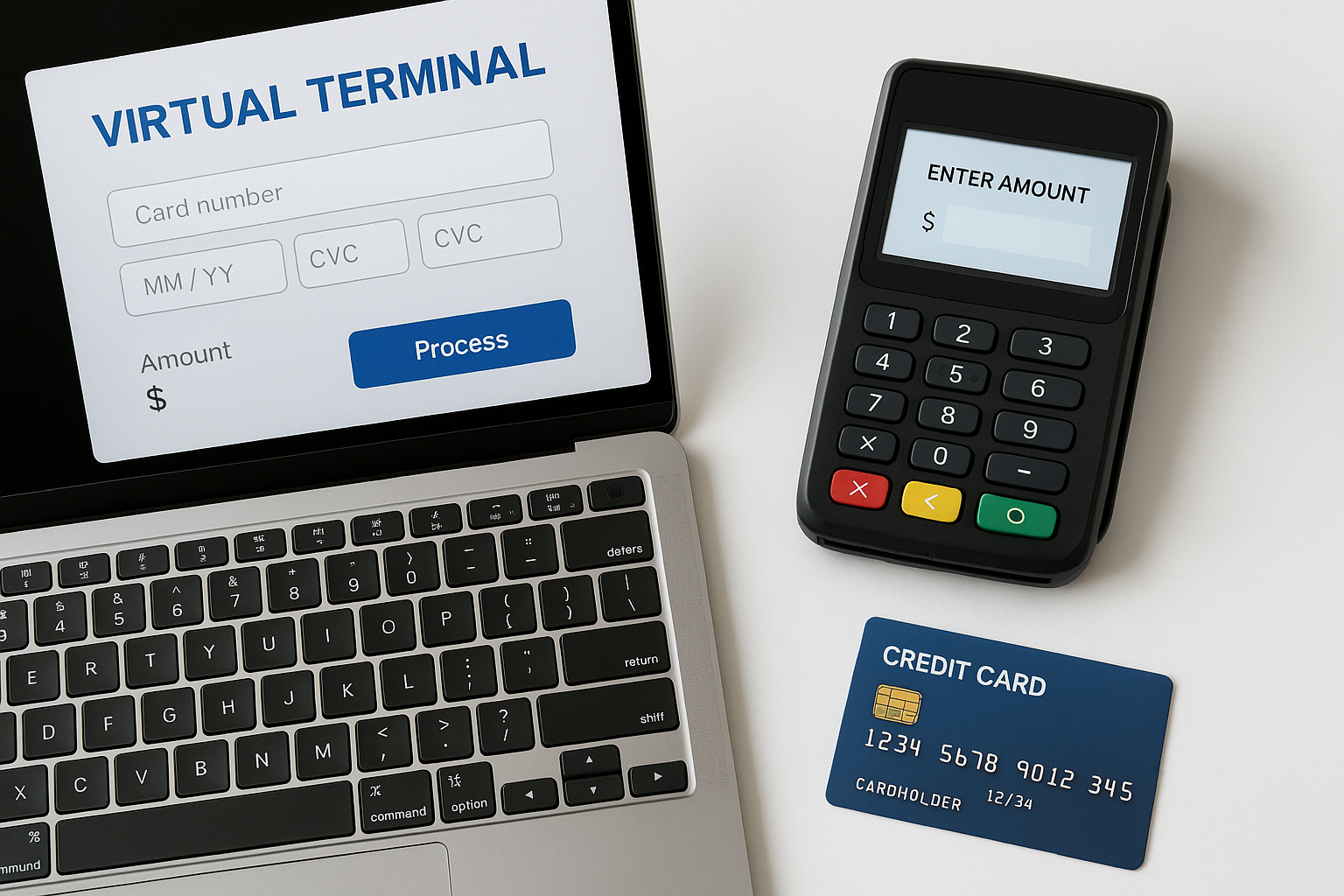
This is the core service. It allows businesses to accept Visa, Mastercard, American Express, Discover, and often alternative payment methods. Providers typically support chip cards, swipe payments, tap-to-pay, and keyed-in transactions.
Payment Gateways
For online businesses, a payment gateway securely captures and transmits payment information. It acts like a digital point-of-sale system for eCommerce websites and invoicing platforms.
Merchant Accounts
Some providers offer dedicated merchant accounts, which are special accounts that temporarily hold card funds before they are transferred to your business bank account. Others use aggregated accounts, where multiple businesses are grouped under one master account.
Point-of-Sale Tools
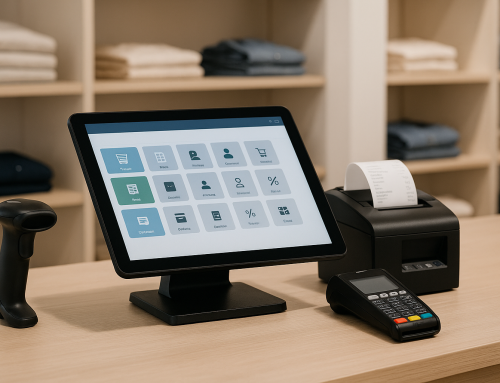
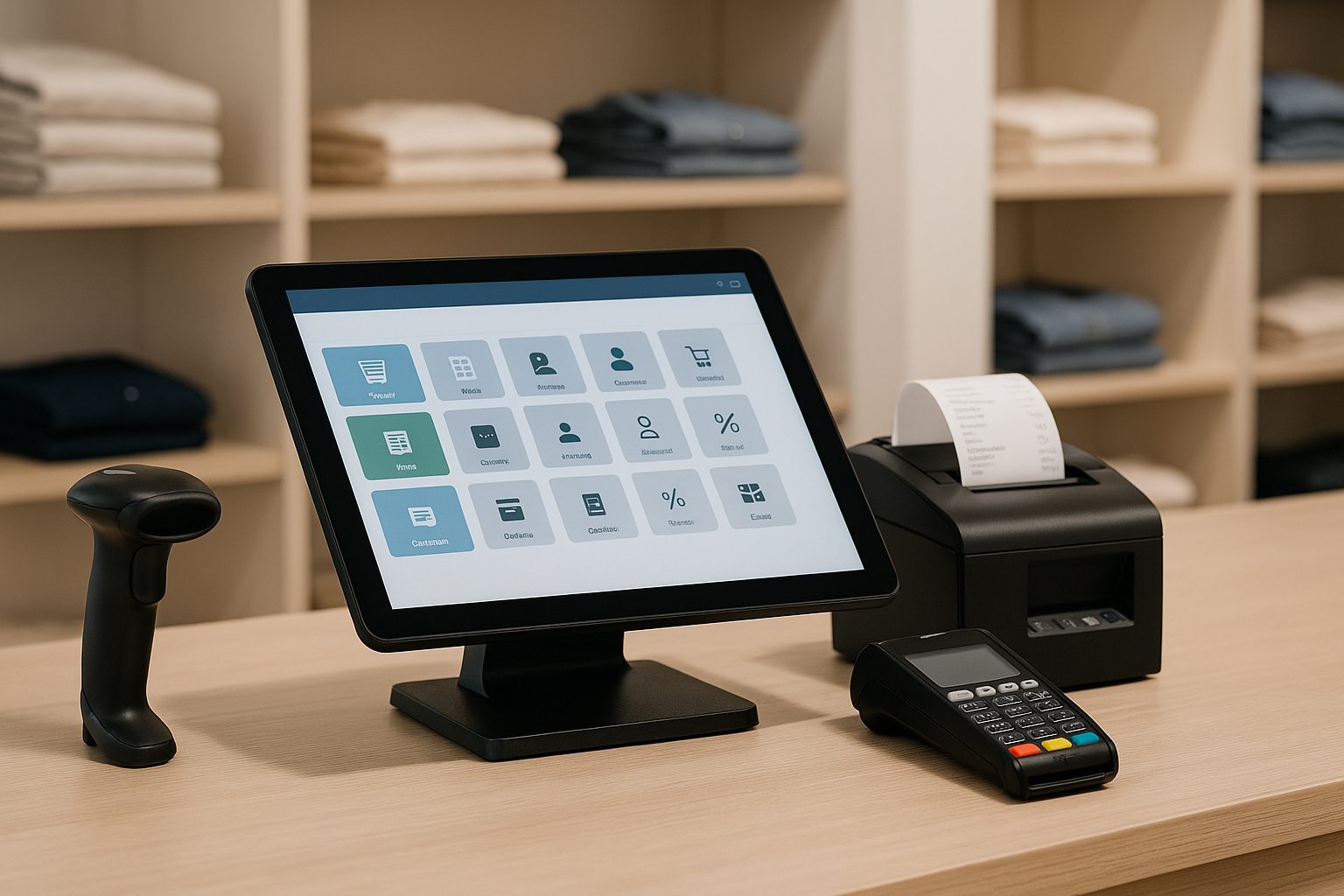
Many providers supply POS hardware and software for in-store transactions. These tools may include countertop terminals, mobile readers, touchscreen registers, and inventory management features.
Recurring Billing and Invoicing
If your business uses subscriptions, memberships, or installment payments, recurring billing tools can automate charges. Invoicing features are also useful for service businesses, freelancers, and B2B companies.
Fraud Prevention and Security
Payment security is a top priority. Merchant service providers may include tools such as encryption, tokenization, address verification, CVV checks, chargeback management, and fraud monitoring.
Types of Merchant Service Providers
Not all providers work the same way. Understanding the main types can help you choose a better fit for your business model.
Traditional Merchant Account Providers
These providers typically offer dedicated merchant accounts and more customized service. They may be a strong option for businesses with higher transaction volumes, larger average order values, or industry-specific needs.
Payment Service Providers
Also known as aggregators, these providers place many merchants under one shared account structure. They are often easier to set up and may suit startups, small businesses, and online sellers who want quick onboarding.
Payment Processors
A payment processor handles the technical communication between the merchant, card networks, and banks. Some companies offer processing only, while others bundle it with merchant services.
Full-Service Payment Providers
These companies combine processing, merchant accounts, POS systems, online tools, reporting, support, and security features into one platform. They can simplify operations for businesses that want an all-in-one solution.
How Merchant Service Providers Charge Fees
Pricing is one of the most important factors to review. Merchant service providers usually charge through a combination of fees, and the structure can vary widely.
Common Fee Types
- Transaction fees: A percentage of each sale, sometimes plus a fixed amount.
- Monthly fees: Charges for account maintenance, software, or support.
- Statement fees: Fees for monthly account statements or reporting.
- Equipment costs: Purchase or lease fees for terminals and POS hardware.
- Chargeback fees: Fees charged when a customer disputes a transaction.
- PCI compliance fees: Charges related to payment security and compliance.
Flat-Rate vs Interchange-Plus Pricing
Flat-rate pricing charges the same rate for most transactions, which makes costs easier to predict. Interchange-plus pricing separates the card network’s interchange fee from the provider’s markup, often offering better transparency and potentially lower costs for higher-volume businesses. Some providers also use tiered pricing, though this model can be less clear and harder to compare.
What to Look for in a Merchant Service Provider
The cheapest option is not always the best one. A strong merchant service provider should fit your payment volume, sales channels, customer needs, and growth plans.
Transparent Pricing
Look for clear fee schedules, no hidden charges, and easy-to-understand statements. Transparency helps you compare providers accurately and avoid unpleasant surprises later.
Reliable Customer Support
Payment issues can interrupt sales immediately. Responsive support by phone, chat, or email is valuable, especially if you operate during evenings, weekends, or peak seasons.
Security and Compliance
Choose a provider that supports PCI compliance, encryption, fraud tools, and secure data handling. This protects both your business and your customers.
Compatibility with Your Systems
Your provider should integrate with your shopping cart, accounting software, POS system, invoicing platform, or ERP tools. Seamless integrations save time and reduce manual data entry.
Scalability
As your business grows, your provider should be able to support higher volumes, more locations, additional users, and new payment methods without disrupting operations.
Benefits of Working with the Right Provider
A good merchant service provider does more than move money. It helps your business run more efficiently and creates a smoother payment experience for customers.
Some of the biggest benefits include faster checkout, improved cash flow, lower payment friction, better reporting, stronger fraud protection, and access to modern payment methods. For businesses that rely on frequent transactions, even small improvements in approval rates and payment speed can make a meaningful difference.
Conclusion
A merchant service provider plays a vital role in how your business gets paid. By understanding the services they offer, how pricing works, and what features matter most, you can choose a provider that supports growth instead of slowing it down. The right partner will help you process payments securely, keep customers happy, and manage transactions with confidence.