What Credit Card Processing Is
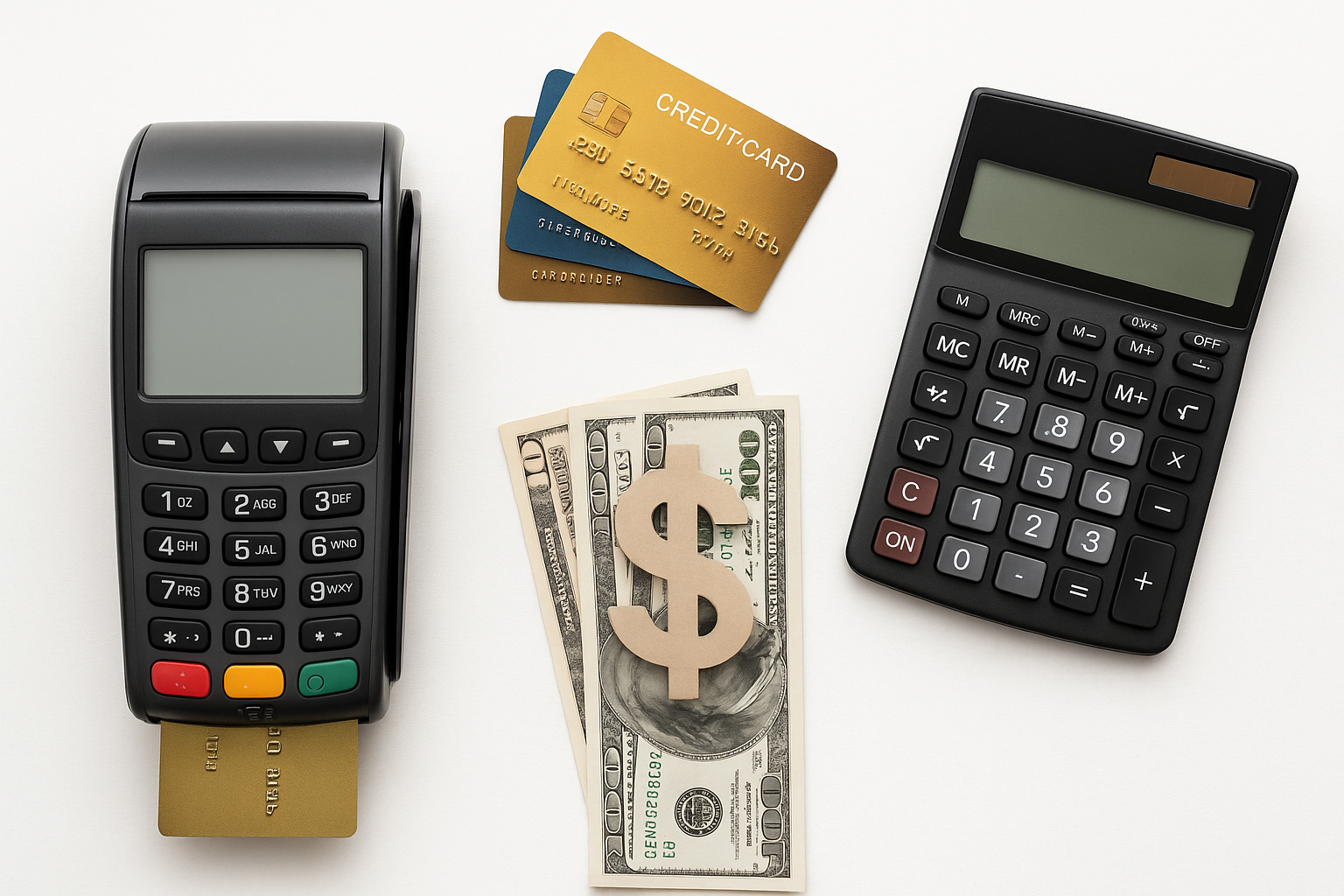
Credit card processing is the system that lets businesses accept card payments in person, online, or over the phone. When a customer taps, inserts, or enters a card, a series of fast behind-the-scenes checks determines whether the payment is approved and then moves the money from the customer’s bank to the merchant’s account.
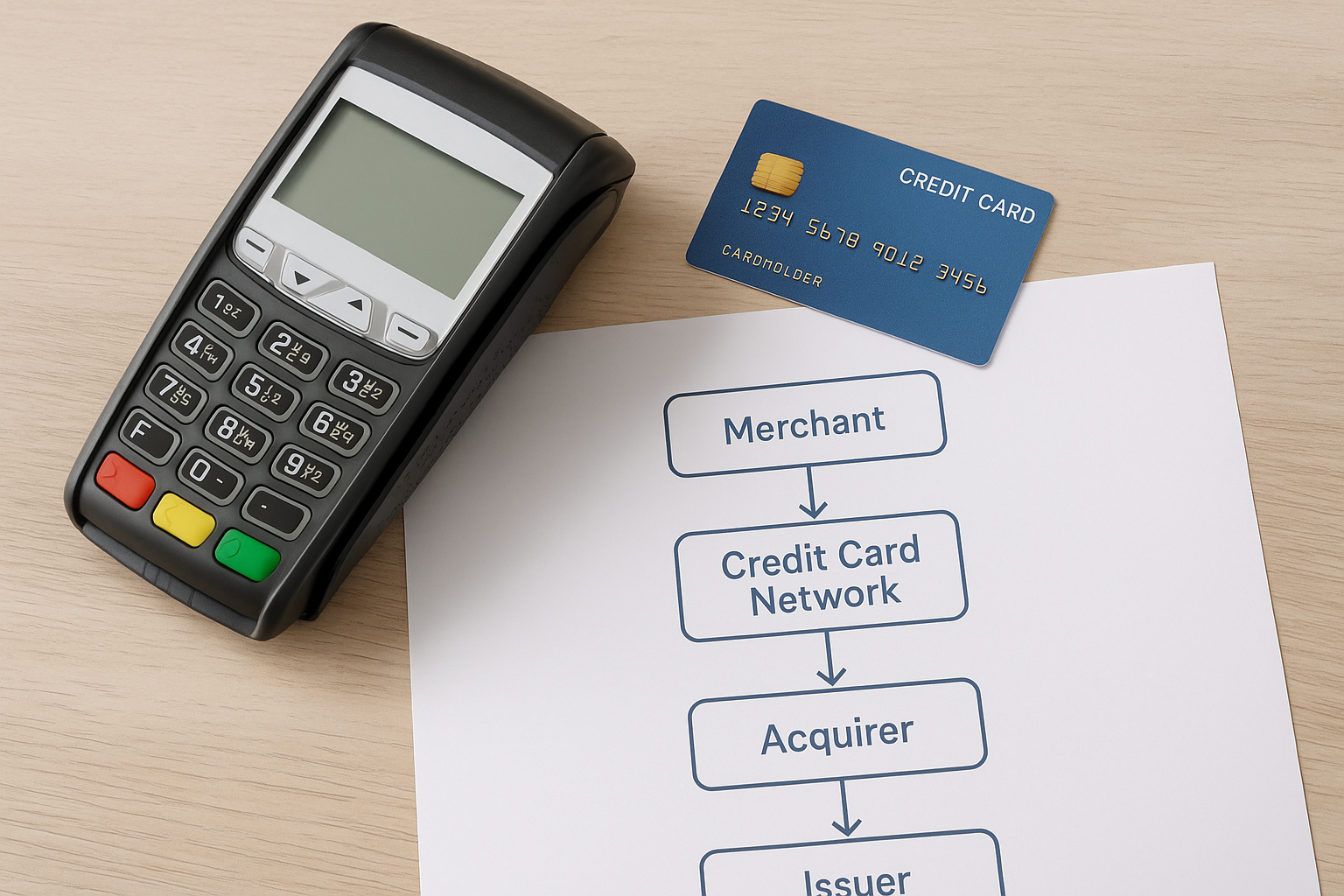
Although the payment may feel instant, the process involves multiple parties working together: the customer, the merchant, the payment gateway or terminal, the payment processor, the card network, and the banks involved in the transaction. Each step helps verify the payment, reduce fraud, and ensure the funds are transferred correctly.
The Main Players Involved
Understanding how credit card processing works starts with knowing who is involved. Each participant has a specific role in moving the transaction from a simple purchase to a completed payment.
The Customer
The customer is the cardholder making the purchase. They use a credit or debit card tied to a bank account or line of credit. Their card information is the starting point for the transaction.
The Merchant
The merchant is the business selling goods or services. Merchants use payment hardware or software to accept the card payment and send the transaction details for approval.
The Payment Gateway or Terminal
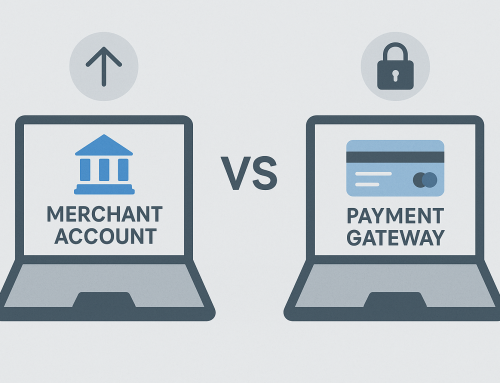
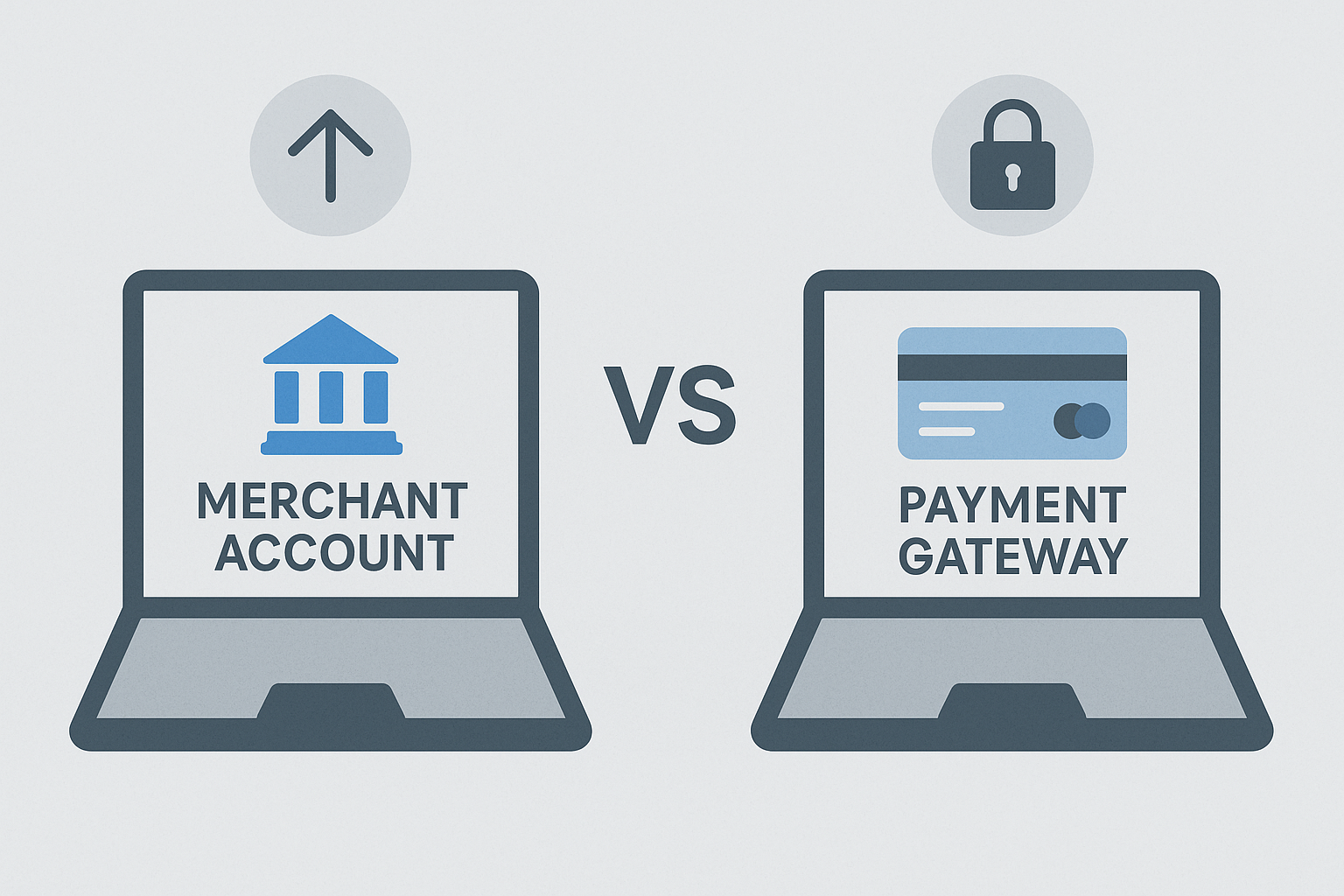
For online purchases, a payment gateway securely transmits payment data from the website to the processor. In physical stores, a card reader or point-of-sale terminal captures the payment information and sends it onward.
The Payment Processor
The payment processor acts as the messenger between the merchant, the card network, and the banks. It routes the transaction data, requests authorization, and helps move the payment through the system.
The Card Network
Card networks such as Visa, Mastercard, American Express, and Discover connect the banks and set the rules for how transactions are handled.
The Issuing Bank and Acquiring Bank
The issuing bank is the customer’s bank, the one that issued the card. It checks whether the card is valid and whether the customer has enough available credit or funds. The acquiring bank, also called the merchant bank, works with the merchant and receives the payment on the business’s behalf.
The Step-by-Step Payment Process
Once a customer submits payment, the transaction moves through several stages. While it happens in seconds, each step is important.
1. The Customer Initiates the Payment
The process begins when the customer swipes, inserts, taps, or enters their card details online. The payment device or gateway captures the transaction amount and card data.
2. The Payment Data Is Encrypted
To protect sensitive information, the card data is encrypted before it leaves the merchant’s system. This helps keep payment details secure during transmission.
3. The Processor Sends an Authorization Request
The payment processor sends the transaction details to the card network, which forwards the request to the customer’s issuing bank. At this point, the bank checks whether the card is valid, whether the transaction appears legitimate, and whether enough credit or funds are available.
4. The Issuing Bank Approves or Declines
The issuing bank responds with an approval or decline code. If approved, the bank places a temporary hold on the funds or available credit. If declined, the merchant is notified so the customer can try another payment method.
5. The Merchant Receives Confirmation
Once the authorization is approved, the merchant sees confirmation that the payment went through. For the customer, the purchase is complete at this stage, even though the money has not fully moved yet.
6. The Transaction Is Captured and Settled
At the end of the business day, the merchant submits approved transactions for capture. The funds then move from the issuing bank through the card network and acquiring bank to the merchant’s account. This final movement of money is called settlement.
Authorization vs. Settlement
Two terms often confuse business owners: authorization and settlement. Authorization is the bank’s approval to proceed with the transaction. It confirms that the card is valid and that funds are available, but it does not yet transfer the money. Settlement happens later, when the transaction is finalized and the funds are deposited into the merchant account.
In many cases, the difference between the purchase date and the deposit date is one to three business days. This delay gives the system time to verify and clear all transactions properly.
Fees and Costs to Expect
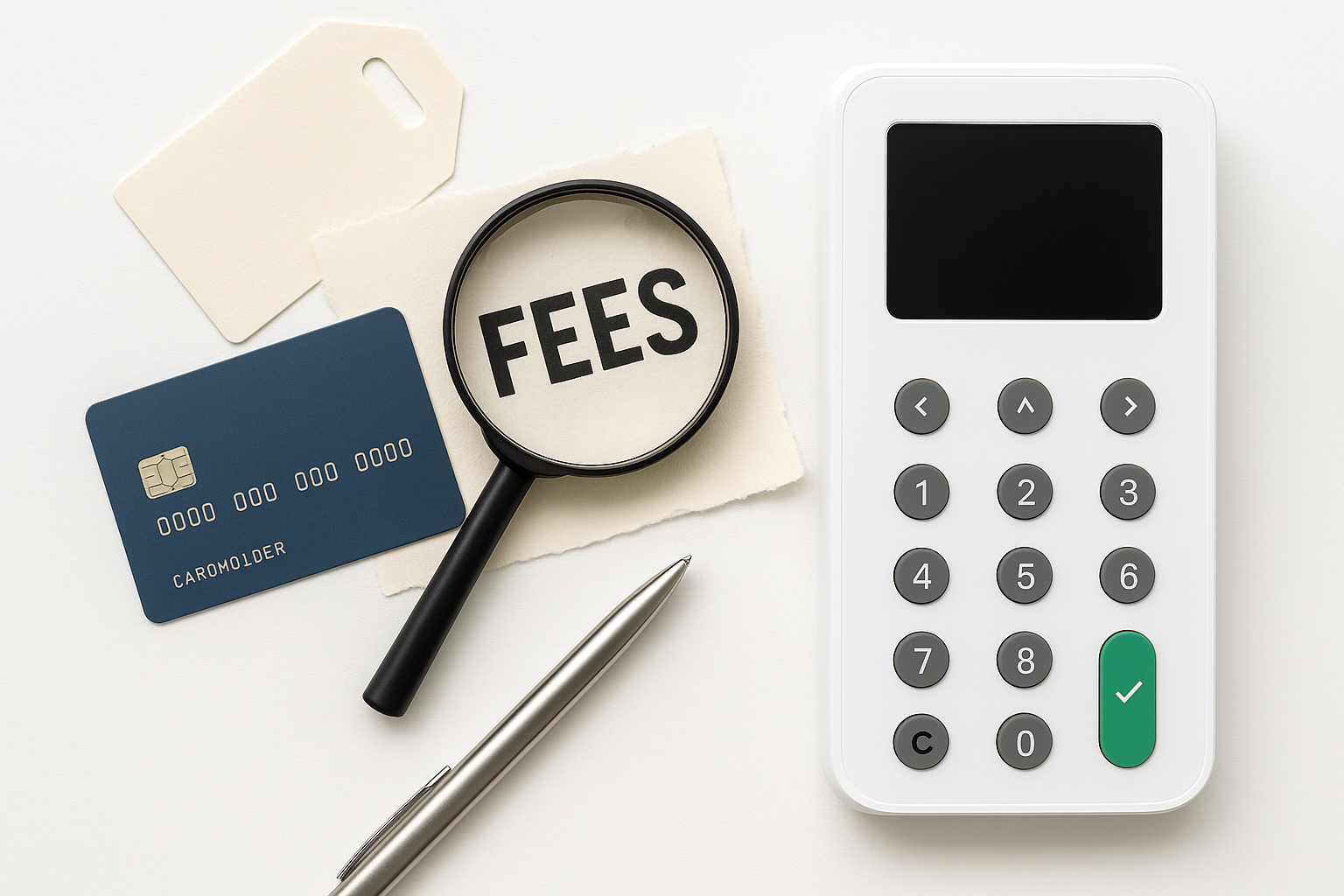
Credit card processing is convenient, but it comes with costs. Merchants typically pay a combination of fees, which may include interchange fees, assessment fees, and processor markups. These fees can be charged as a flat rate, a percentage of the transaction, or a blended pricing model.
Interchange fees go to the issuing bank. Assessment fees support the card networks. The processor’s markup covers the service of routing and managing the transaction. The exact cost depends on the card type, transaction method, business category, and processor pricing structure.
How Merchants Can Reduce Risk and Cost
Businesses can make credit card processing more efficient by using secure payment tools and following best practices. Choosing a reputable processor, enabling fraud prevention features, and using EMV card readers or secure online checkout pages can reduce the risk of chargebacks and unauthorized transactions.
It also helps to understand pricing before signing a contract. Merchants should review monthly statements, ask about hidden fees, and compare multiple providers. For businesses with growing sales volume, even small differences in processing costs can add up over time.
Why Credit Card Processing Matters
Credit card processing plays a major role in modern commerce. It makes payments fast, convenient, and accessible for customers while helping businesses increase sales and accept transactions from anywhere. Whether a business is operating in a storefront, on a website, or through an app, a reliable payment system is essential for smooth operations and customer trust.
As payment technology continues to evolve, processing systems are becoming more secure and more flexible. Features like contactless payments, mobile wallets, and tokenization are making checkout easier while improving protection for sensitive data.
Conclusion
Credit card processing may seem simple on the surface, but it involves a coordinated set of steps and participants working together in real time. From authorization to settlement, each part of the process helps verify transactions, protect users, and move money securely. For businesses, understanding how it works is the first step toward choosing the right payment solution and managing costs effectively.