What Are Merchant Processing Services?
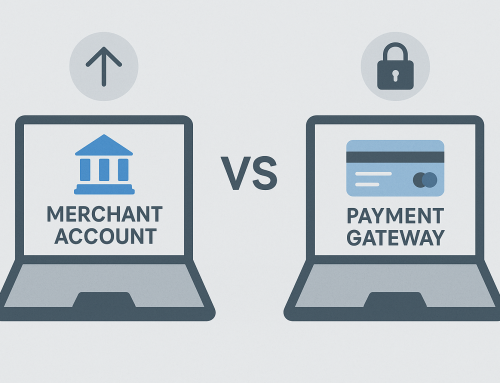
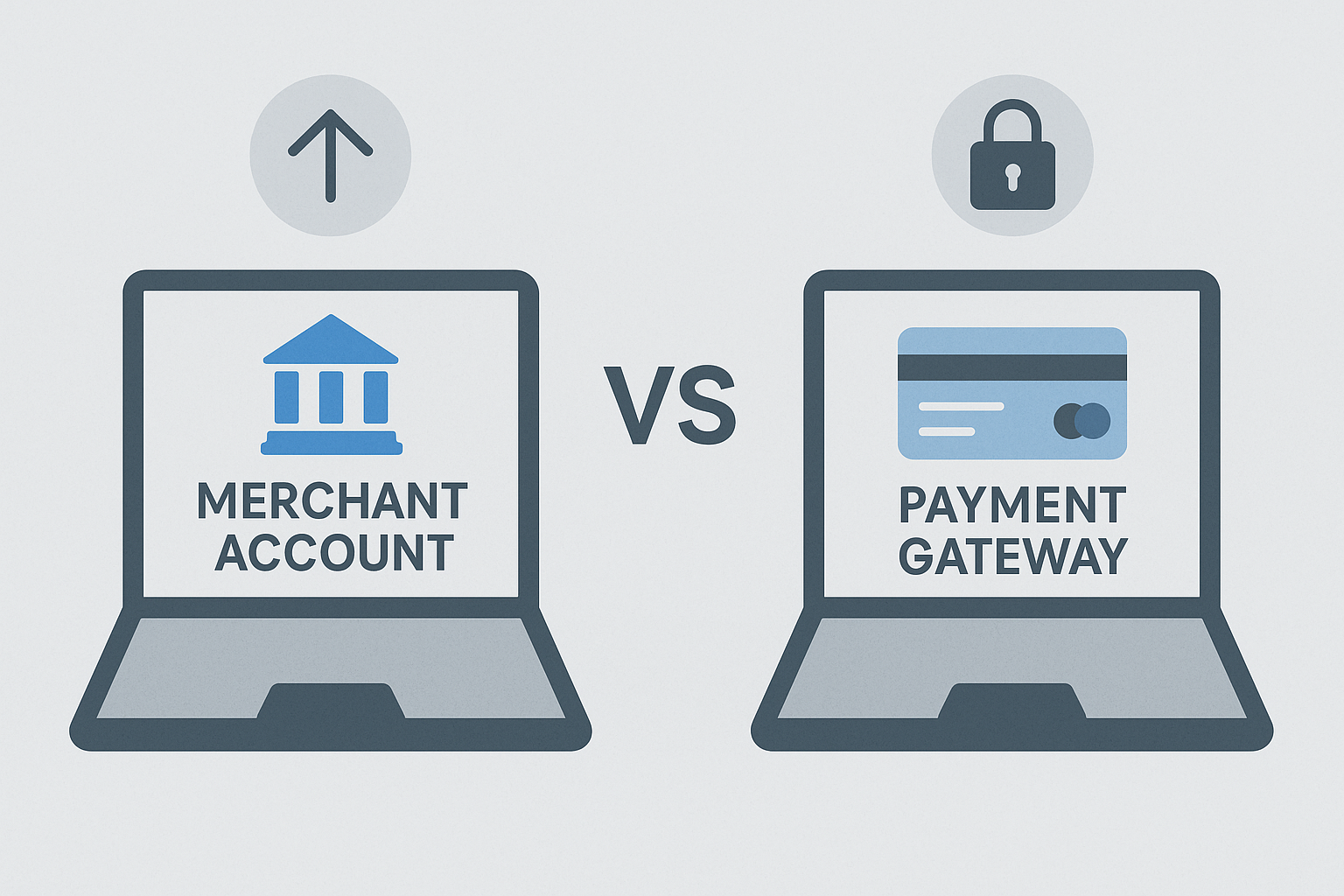
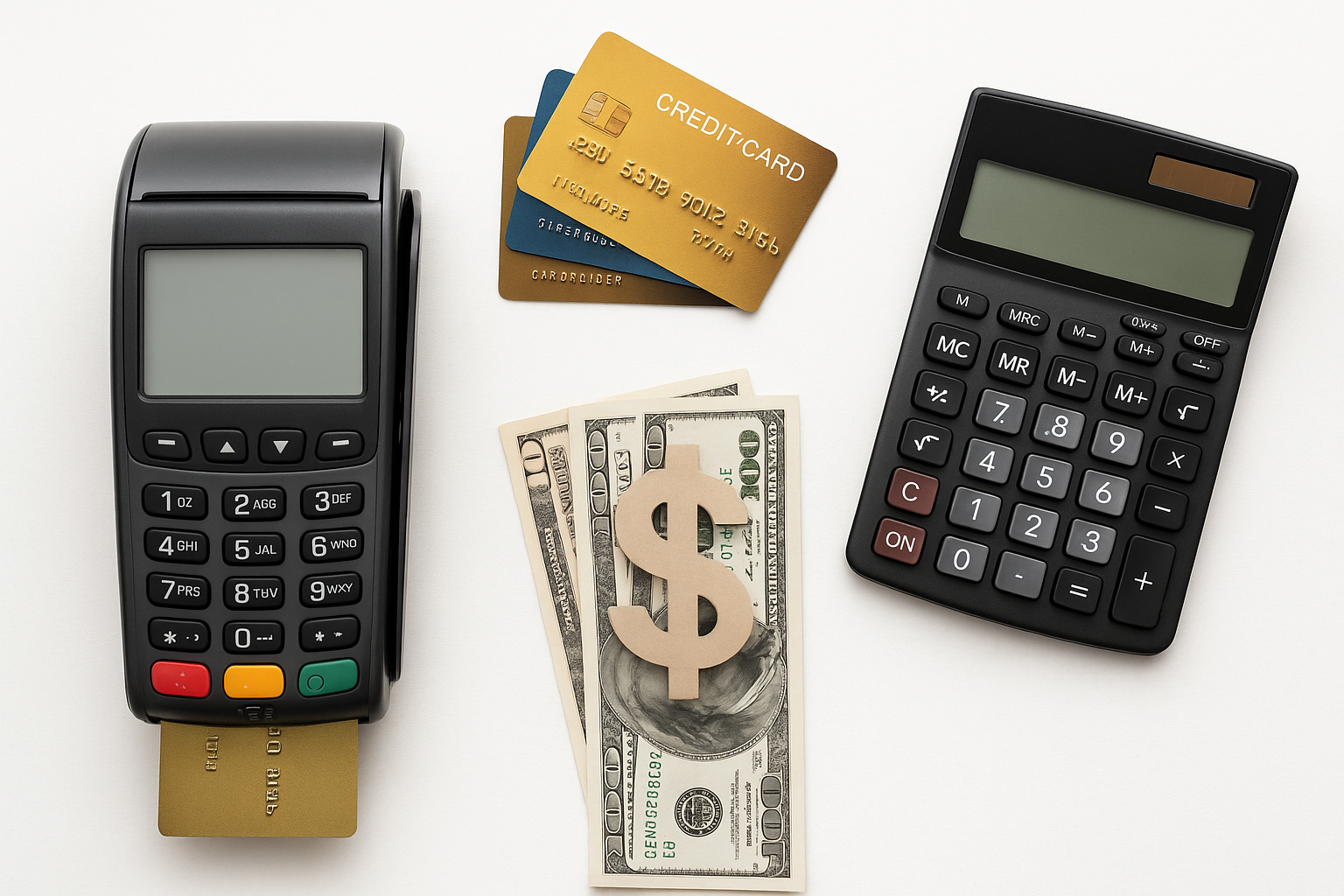
Merchant processing services are the systems and providers that allow businesses to accept electronic payments from customers. In simple terms, they make it possible to take credit cards, debit cards, and other digital payment methods both in person and online. When a customer pays with a card, the merchant processor helps move the transaction through the payment network, verifies the payment information, and deposits funds into the business bank account.
For modern businesses, merchant processing is more than just a convenience. It is a core part of the checkout experience and can directly affect sales, customer satisfaction, and cash flow. Whether you run a retail store, restaurant, service business, or eCommerce shop, having the right payment processing setup can make daily operations easier and help your business grow.
How Merchant Processing Services Work
At a basic level, merchant processing services connect several parties involved in a card payment. These typically include the customer, the merchant, the payment processor, the card network such as Visa or Mastercard, the issuing bank, and the merchant’s acquiring bank. When a payment is made, the processor sends the transaction details through this network, checks whether the payment method is valid, and obtains approval or decline information in seconds.
The process generally follows these steps:
- The customer swipes, taps, inserts, or enters card details.
- The payment data is encrypted and sent to the processor.
- The processor routes the request through the card network to the issuing bank.
- The issuing bank approves or declines the transaction.
- The approval is sent back to the merchant, and the transaction is completed.
- Funds are later settled and deposited into the merchant account, usually within one to three business days.
This entire chain happens quickly, but behind the scenes there are multiple layers of security, authorization, and settlement to ensure the payment is legitimate and the merchant gets paid.
Types of Merchant Processing Services
Merchant processing services come in several forms, depending on how and where a business accepts payments. Understanding the main options can help you choose the right setup for your operations.
In-Person Processing
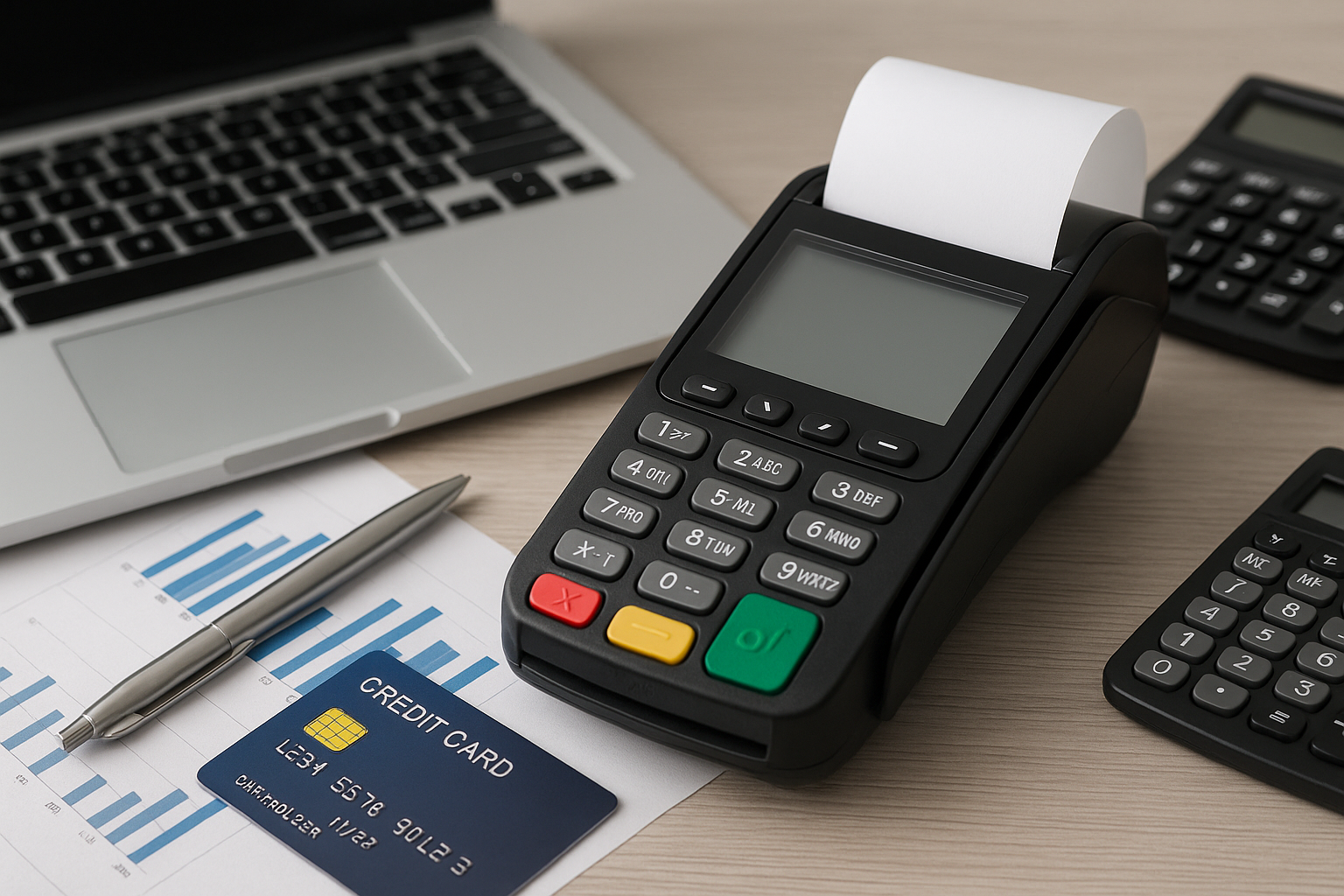
In-person processing is used in physical locations such as retail stores, salons, restaurants, and service counters. Customers pay by swiping, inserting, or tapping their cards on a card reader or terminal. This type of processing often includes point-of-sale integration, receipt printing, and tools for inventory or customer management.
Online Processing
Online processing allows businesses to accept card payments through websites, eCommerce platforms, and digital invoices. This is essential for online retailers, subscription businesses, and service providers that bill remotely. Online payment gateways are often used to securely capture and transmit payment information.
Mobile Processing
Mobile processing is designed for businesses on the go. Contractors, field service companies, delivery businesses, and market vendors often use mobile card readers connected to smartphones or tablets. This gives them the flexibility to accept payments wherever they do business.
Virtual Terminal Processing
A virtual terminal lets a merchant manually enter payment details into a secure web-based portal. This is useful for phone orders, recurring billing, and businesses that do not always have the customer physically present.
Benefits of Using Merchant Processing Services
Merchant processing services offer several important benefits that can improve day-to-day operations and support business growth.
- Convenience for customers: Accepting cards and digital payments makes checkout faster and easier.
- Improved sales potential: Businesses that accept more payment types often reduce abandoned purchases and missed opportunities.
- Better cash flow: Electronic payments are deposited faster than paper checks or cash handling processes.
- Professional image: Modern payment options help businesses appear more trustworthy and customer-friendly.
- Detailed reporting: Many processors provide dashboards, reports, and analytics to help track sales and trends.
- Support for growth: Scalable payment tools make it easier to expand into new channels or locations.
In competitive markets, offering seamless payment options can be a deciding factor for customers choosing between businesses.
Common Fees and Pricing Models
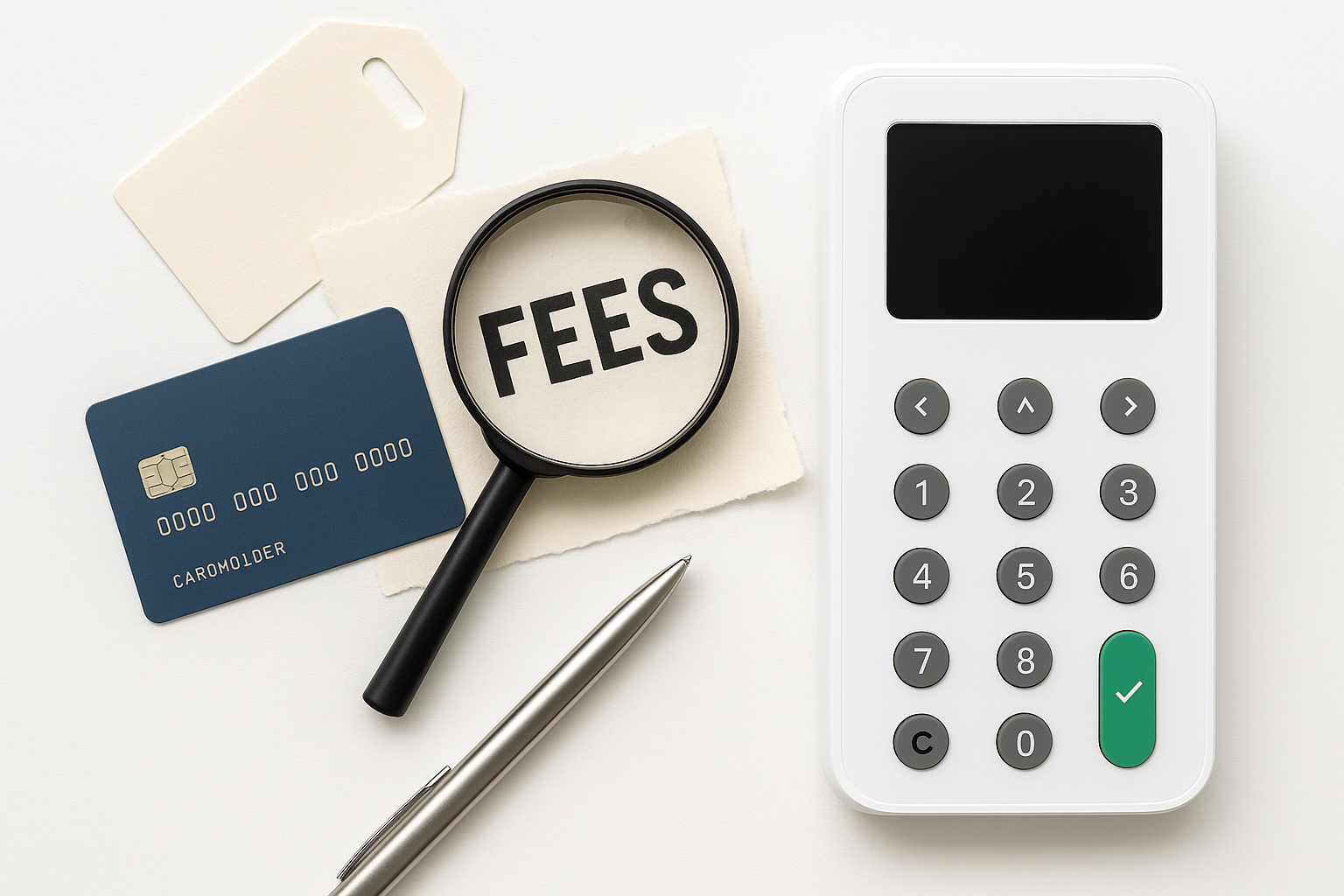
One of the most important parts of choosing merchant processing services is understanding the costs involved. Pricing can vary widely depending on the provider, transaction volume, business type, and risk level.
Common fees may include:
- Transaction fees: Charged for each payment processed.
- Interchange fees: Paid to the card-issuing bank and set by the card networks.
- Monthly fees: May cover account access, support, or reporting tools.
- Equipment fees: For card readers, terminals, or POS devices.
- Chargeback fees: Applied when a customer disputes a transaction.
- Setup or cancellation fees: Sometimes charged depending on the contract terms.
Pricing models may include interchange-plus, flat-rate, tiered, or subscription-based structures. Interchange-plus is often considered the most transparent because it separates the actual card cost from the processor’s markup. Flat-rate pricing can be easier to understand, especially for smaller businesses, while tiered pricing may be harder to predict due to variable rate categories. The best option depends on transaction size, monthly volume, and the business’s need for simplicity versus cost transparency.
How to Choose the Right Merchant Processor
Choosing a merchant processor should not be based on price alone. The right provider should align with your business model, budget, and customer experience goals. Before signing an agreement, consider the following factors:
- Payment methods supported: Make sure the provider accepts the card types and digital wallets your customers use.
- Integration options: Check whether the service works with your POS system, website platform, accounting software, or invoicing tools.
- Security features: Look for encryption, tokenization, PCI compliance support, and fraud protection tools.
- Funding speed: Review how quickly you can access deposited funds.
- Customer support: Reliable support matters when issues arise during peak sales hours.
- Contract terms: Watch for long-term commitments, early termination fees, or hidden charges.
It is also smart to read reviews, compare multiple quotes, and ask about total cost of ownership rather than focusing on one headline rate. A slightly higher price may be worthwhile if the provider offers better support, fewer fees, or stronger integrations.
Security and Compliance Considerations
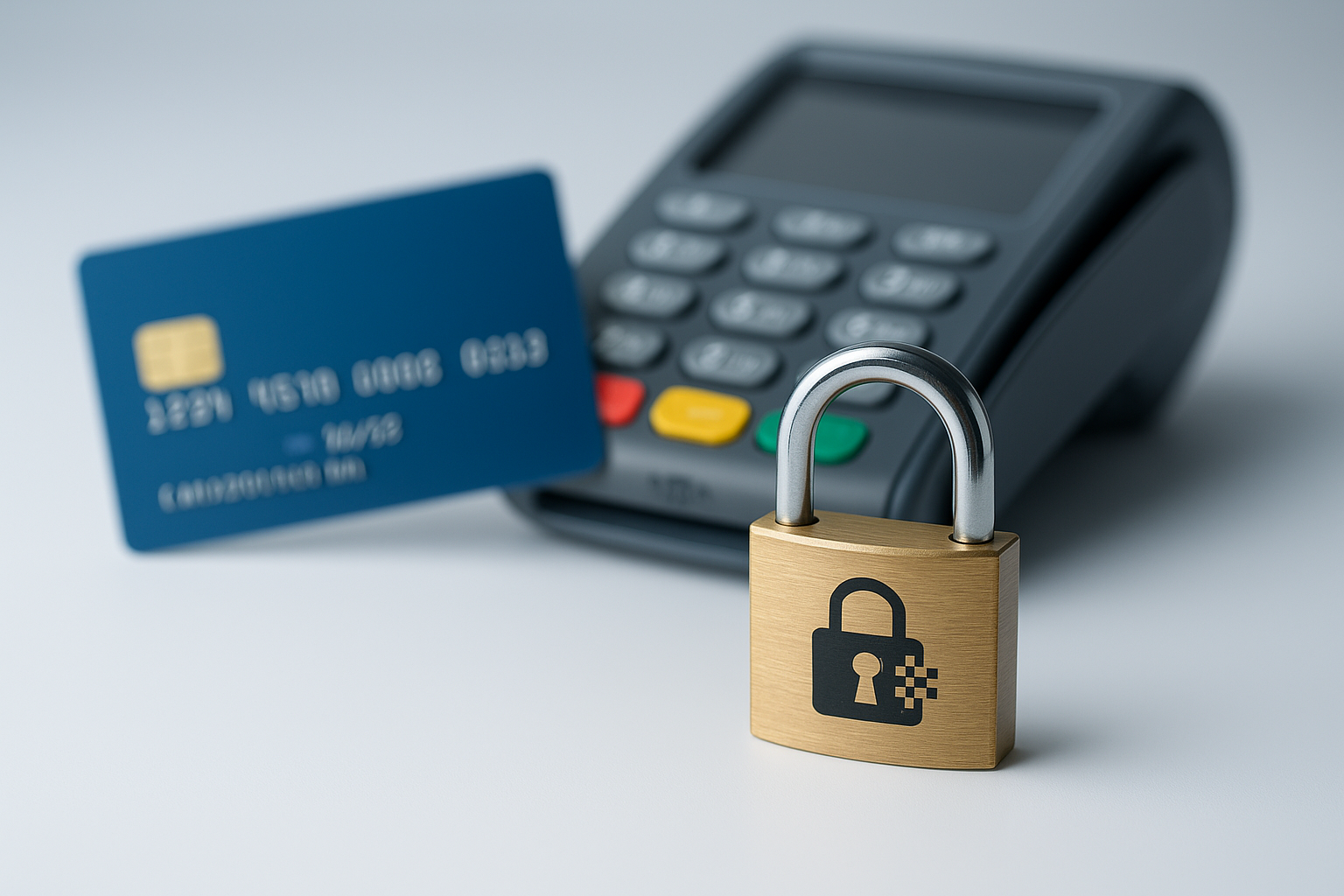
Because merchant processing involves sensitive financial information, security must be a top priority. Businesses that accept card payments are expected to follow Payment Card Industry Data Security Standard, commonly known as PCI DSS. This framework helps protect cardholder data and reduce the risk of fraud or breaches.
Key security practices include encrypting payment data, using secure payment gateways, updating software regularly, limiting access to card information, and training employees to recognize suspicious activity. Businesses should also work with processors that offer fraud monitoring and chargeback management tools.
Failure to maintain proper security and compliance can lead to financial losses, penalties, reputational damage, and increased risk of fraud. For many businesses, choosing a processor with strong compliance support is just as important as finding the lowest rate.
Conclusion
Merchant processing services play a vital role in how businesses accept payments, manage cash flow, and serve customers. By understanding how these services work, what they cost, and how to compare providers, business owners can make smarter decisions that support both daily operations and long-term growth. The right payment processing solution can improve efficiency, strengthen customer trust, and create a smoother checkout experience across every sales channel.