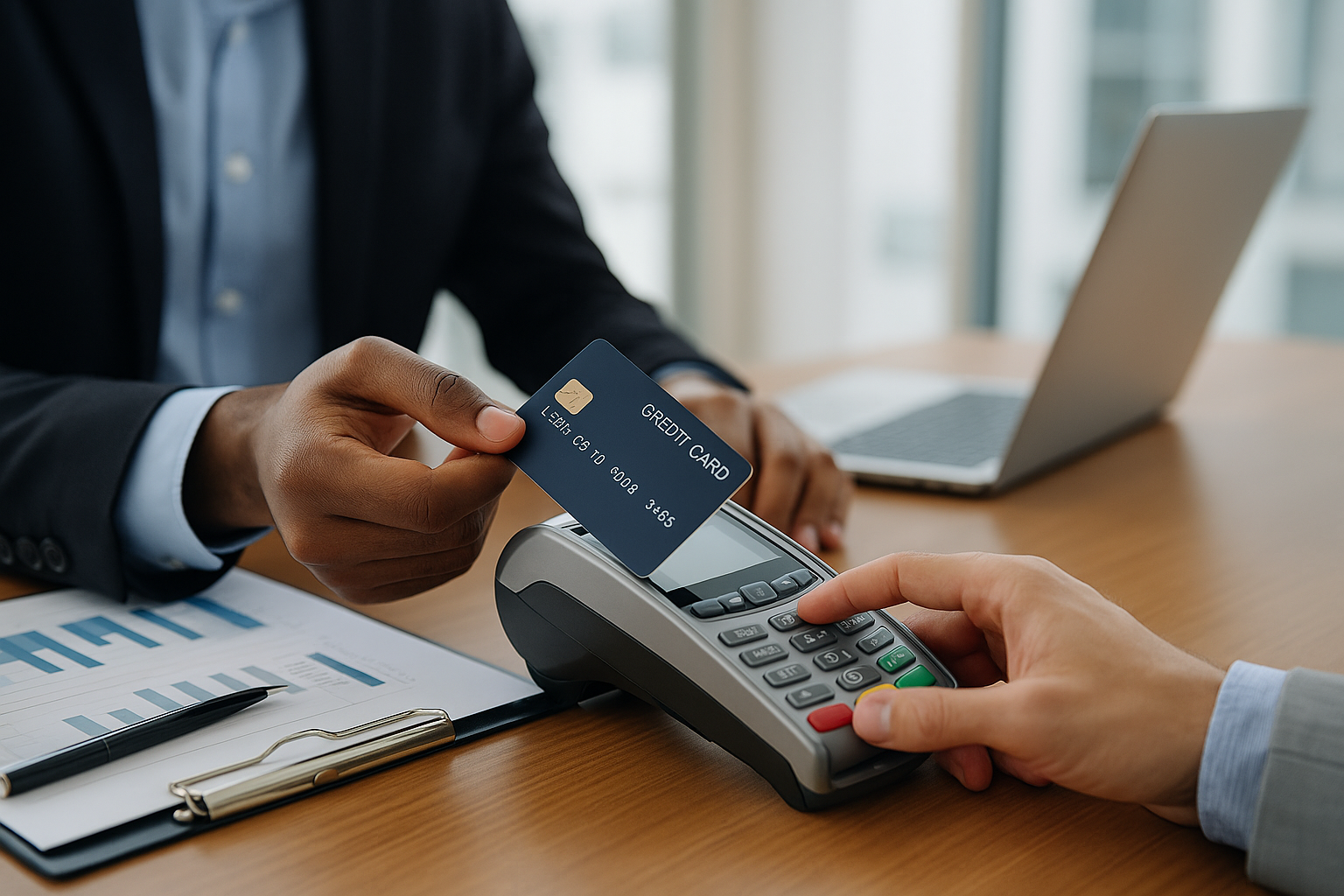
What Is Business Credit Card Processing?
Business credit card processing is the system that allows a company to accept payments made with credit cards, whether in a store, over the phone, through an invoice, or online. When a customer pays by card, the payment request moves through a series of steps involving the merchant, the payment processor, the card network, and the issuing bank. If the transaction is approved, the funds are later deposited into the business’s bank account.
For many companies, card acceptance is not just a convenience—it is a core part of how they get paid. Customers increasingly expect fast, secure, and flexible payment options, and businesses that can meet those expectations often improve sales, speed up cash flow, and reduce friction at checkout.
How Does Credit Card Processing Work?
The process may seem instant to the customer, but several steps happen behind the scenes:
- Authorization: The customer enters card details and the payment is sent for approval.
- Authentication: The processor and card network verify that the card is valid and the transaction looks legitimate.
- Approval or decline: The issuing bank checks the available credit and potential fraud signals, then approves or declines the payment.
- Settlement: Approved transactions are grouped and sent for settlement, usually at the end of the business day.
- Funding: The payment processor deposits the money into the merchant’s account, minus any fees.
This system helps protect both the buyer and seller, but it also means businesses need reliable technology and a trustworthy processing partner.
Key Players in the Payment Process
Merchant
The merchant is the business accepting the card payment.
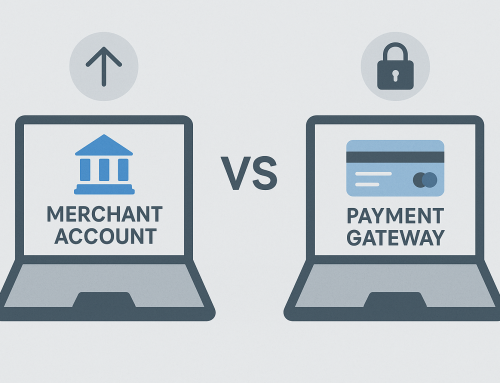
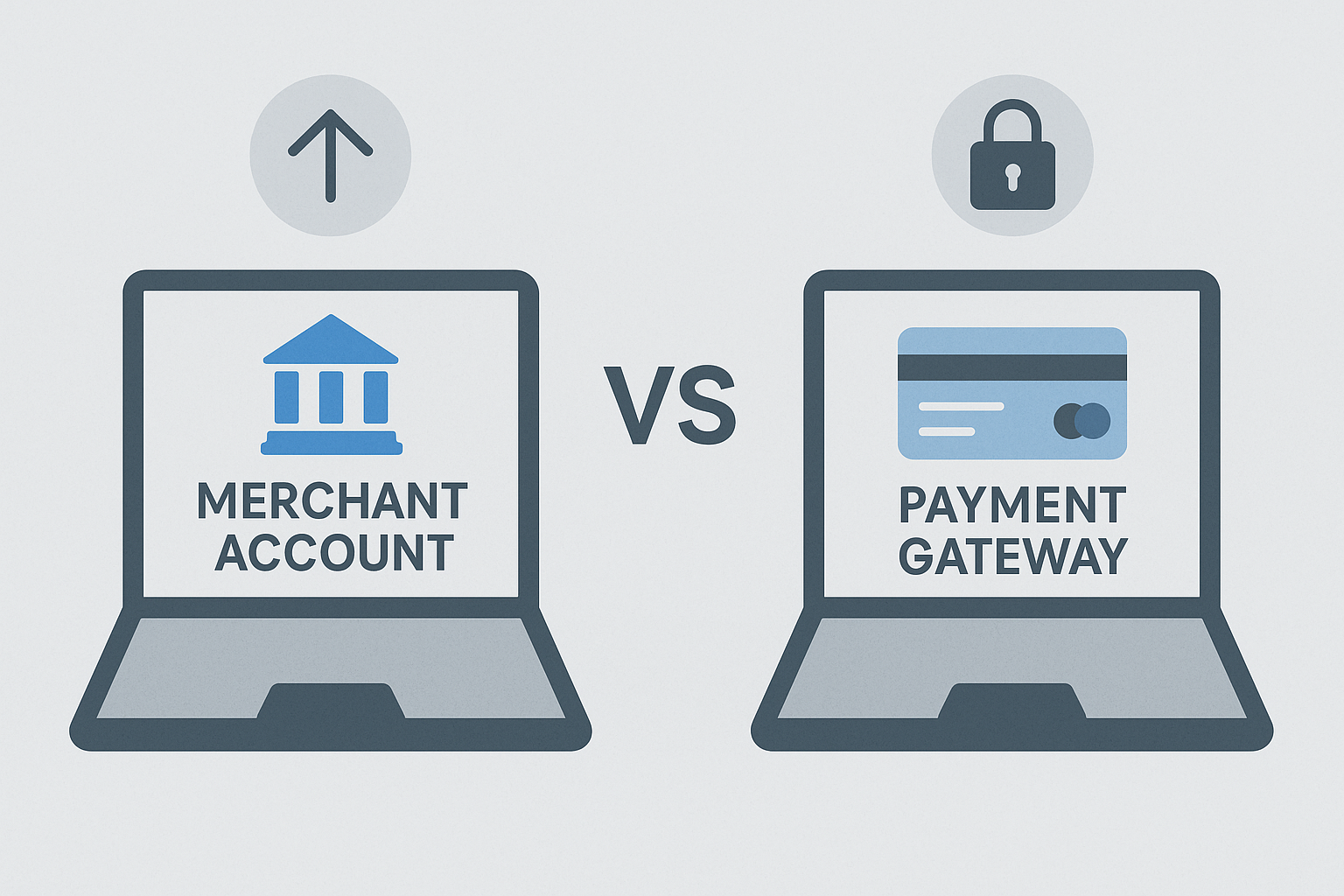
Payment Gateway
A payment gateway securely collects and transmits payment data, especially for online sales.
Payment Processor
The processor acts as the middleman that routes payment information between the merchant, card networks, and banks.
Card Network
Networks such as Visa, Mastercard, American Express, and Discover set the rules for transactions and move payment data between financial institutions.
Issuing Bank
This is the bank that issued the customer’s credit card and decides whether the transaction is approved.
Acquiring Bank
The acquiring bank, or merchant bank, helps the business receive card payments and settle funds into its account.
Types of Business Credit Card Processing
In-Store Processing
In-person payments are common for retail stores, restaurants, salons, and service businesses. Customers tap, swipe, or insert their cards at a terminal or point-of-sale system.
Online Processing
Online credit card processing is essential for eCommerce businesses. Payments are usually handled through a website checkout page or digital storefront.
Mobile Processing
Mobile card readers and smartphone-based payment apps allow businesses to accept payments on the go. This is ideal for delivery services, contractors, pop-up shops, and field service teams.
Virtual Terminal Processing
A virtual terminal lets businesses enter card information manually using a web browser. It is useful for phone orders, invoices, and remote sales.
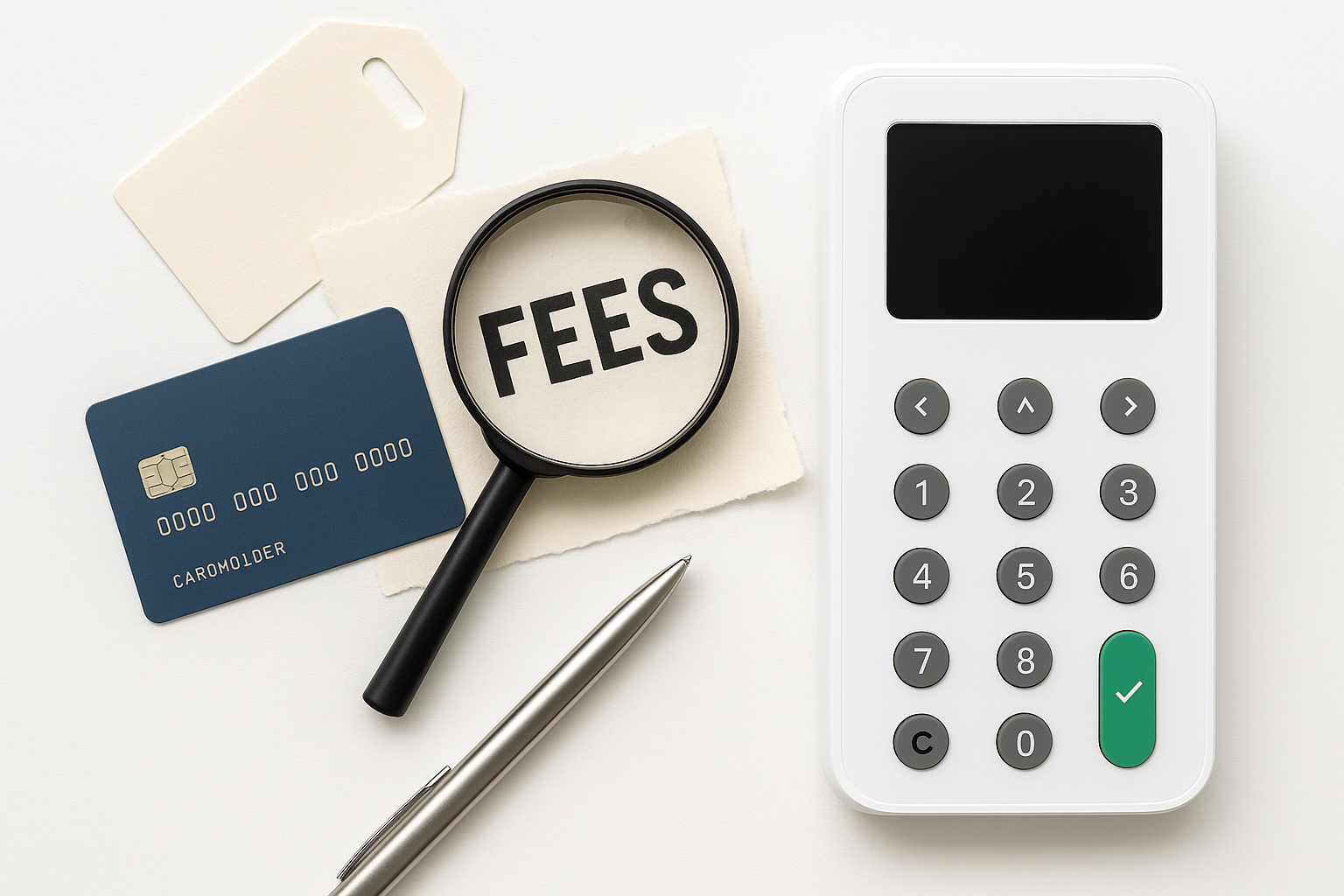
Common Credit Card Processing Fees
Understanding processing costs is important when comparing providers. Fees can vary widely depending on the provider, business type, and sales volume.
- Transaction fees: A percentage of each sale, often with a small fixed amount.
- Interchange fees: Fees paid to the card-issuing bank, typically the largest component of processing costs.
- Assessment fees: Small fees charged by card networks.
- Monthly fees: Charges for account access, statement services, or software.
- Chargeback fees: Fees tied to disputed transactions.
- Equipment or setup fees: Costs for terminals, POS systems, or onboarding.
Some processors advertise low rates but add extra fees elsewhere, so businesses should review the full pricing structure before signing a contract.
How to Choose the Right Processing Solution
The right business credit card processing solution depends on how and where you sell. A local restaurant has very different needs from a subscription-based online business.
When evaluating providers, consider these factors:
- Pricing model: Look for transparent rates and easy-to-understand fee schedules.
- Security: Choose a provider that supports PCI compliance, encryption, and fraud tools.
- Integration: Make sure the system works with your POS, accounting software, or eCommerce platform.
- Funding speed: Faster deposits can help improve cash flow.
- Customer support: Responsive service matters if payments fail or equipment stops working.
- Scalability: Your provider should support growth as your transaction volume increases.
It is also wise to compare contract terms carefully. Some providers require long-term agreements or charge early termination fees, while others offer month-to-month flexibility.
Security and Compliance in Card Processing
Because payment data is sensitive, security should always be a top priority. Businesses that accept cards must protect customer information and reduce the risk of fraud.
One of the most important standards is PCI DSS, which stands for Payment Card Industry Data Security Standard. This framework helps merchants store, process, and transmit card data securely.
Helpful security practices include:
- Using encrypted payment systems
- Keeping software and devices updated
- Training staff on fraud prevention
- Never storing card data unnecessarily
- Using address verification and CVV checks where appropriate
Strong security not only protects customers but also helps reduce chargebacks, fraud losses, and damage to your reputation.
Benefits of Accepting Credit Cards
Accepting credit cards can provide significant advantages for businesses of all sizes:
- Higher sales: Customers are more likely to complete a purchase when card payments are available.
- Faster checkout: Card transactions are typically quicker than checks or manual billing.
- Improved cash flow: Card payments usually settle faster than many other payment methods.
- Better customer experience: Flexible payment options make buying easier.
- Increased credibility: Offering card payments can make a business look more professional and trustworthy.
For businesses that serve repeat customers, card acceptance can also make recurring billing, subscriptions, and installment payments easier to manage.
Challenges to Watch For
While credit card processing offers major benefits, businesses should be aware of common challenges. Chargebacks can create revenue loss and administrative work, especially in industries with frequent disputes. Technical issues may delay transactions or interrupt sales. And if a business chooses a provider with unclear pricing, processing costs can become higher than expected.
The best way to reduce these risks is to choose a dependable provider, train staff properly, and keep payment systems updated and secure.
Conclusion
Business credit card processing plays a vital role in modern commerce. From in-store terminals to online gateways, the right system helps businesses get paid faster, serve customers better, and operate more efficiently. By understanding how processing works, what fees to expect, and how to choose a secure provider, businesses can make smarter payment decisions that support long-term growth.