What Is a Merchant Service Provider?
A merchant service provider is a company that helps businesses accept electronic payments, including credit and debit cards, digital wallets, and online transactions. In simple terms, it acts as the bridge between your business, your customer’s bank, and the payment networks that move money securely from one account to another.
For many businesses, a merchant service provider is essential. Whether you run a retail store, an online shop, a restaurant, or a service-based business, you need a reliable way to accept payments quickly and securely. The right provider can also offer helpful tools such as point-of-sale systems, invoicing, fraud protection, and reporting dashboards.
How Merchant Service Providers Work
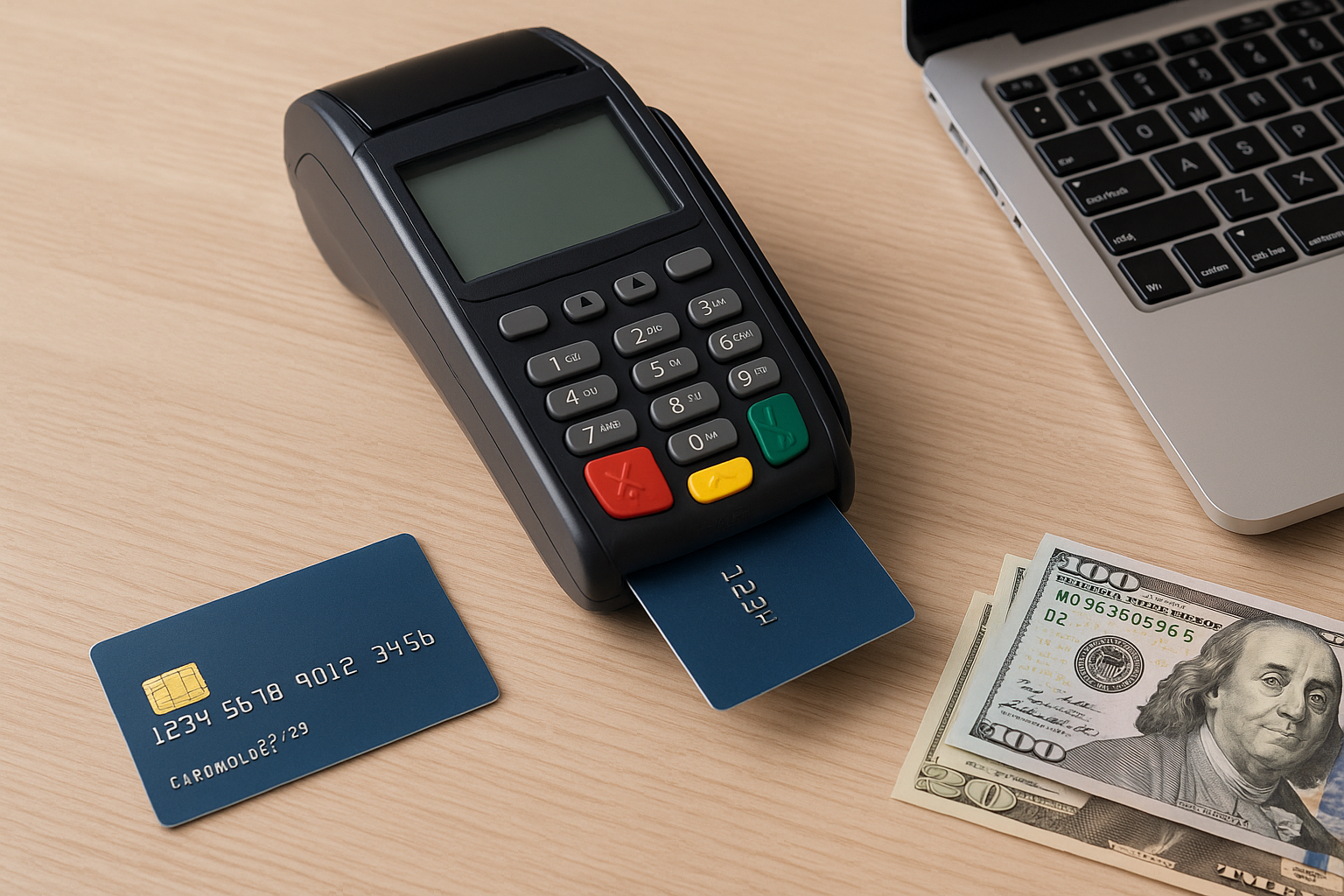
When a customer pays with a card, the transaction goes through several steps in just a few seconds. First, the payment details are captured at the terminal, checkout page, or mobile device. Then the merchant service provider sends that information through a payment gateway and processor to the card network and the customer’s issuing bank. The bank checks whether the funds are available and whether the card is valid.
If the transaction is approved, the payment is authorized and later settled into the merchant’s business account. The merchant service provider manages much of this process behind the scenes, making sure funds are transferred securely and efficiently. Without this service, accepting non-cash payments would be far more complicated.
Services Merchant Service Providers Typically Offer
Merchant service providers do more than just process payments. Many offer a broad range of tools that can help streamline operations and improve the customer experience.
Payment Processing
This is the core service. Providers handle in-person card payments, online checkouts, recurring billing, and sometimes contactless or mobile payments.
Payment Gateways
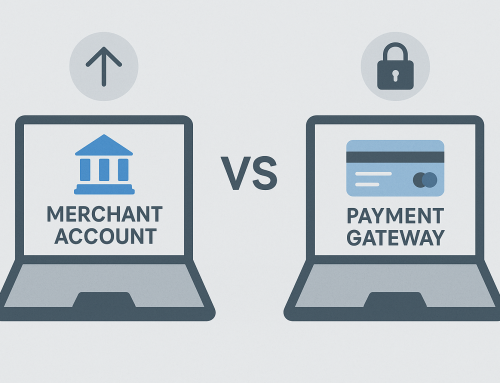
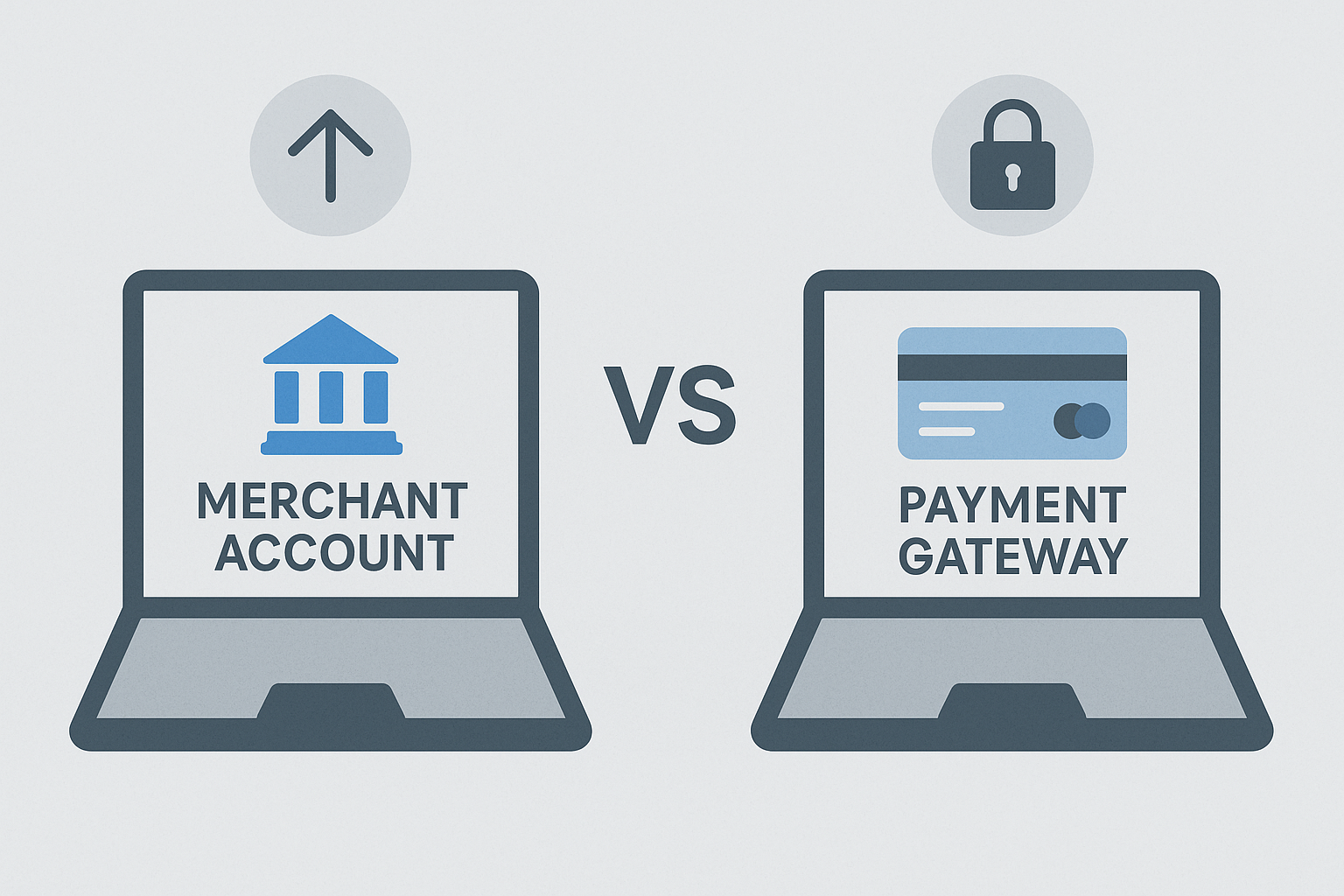
For online businesses, a payment gateway securely captures and transmits payment information. It acts like a digital version of a card reader for e-commerce transactions.
Point-of-Sale Systems
Some providers supply or integrate with POS systems that combine hardware and software for in-store transactions, inventory management, and sales reporting.
Fraud Prevention and Security
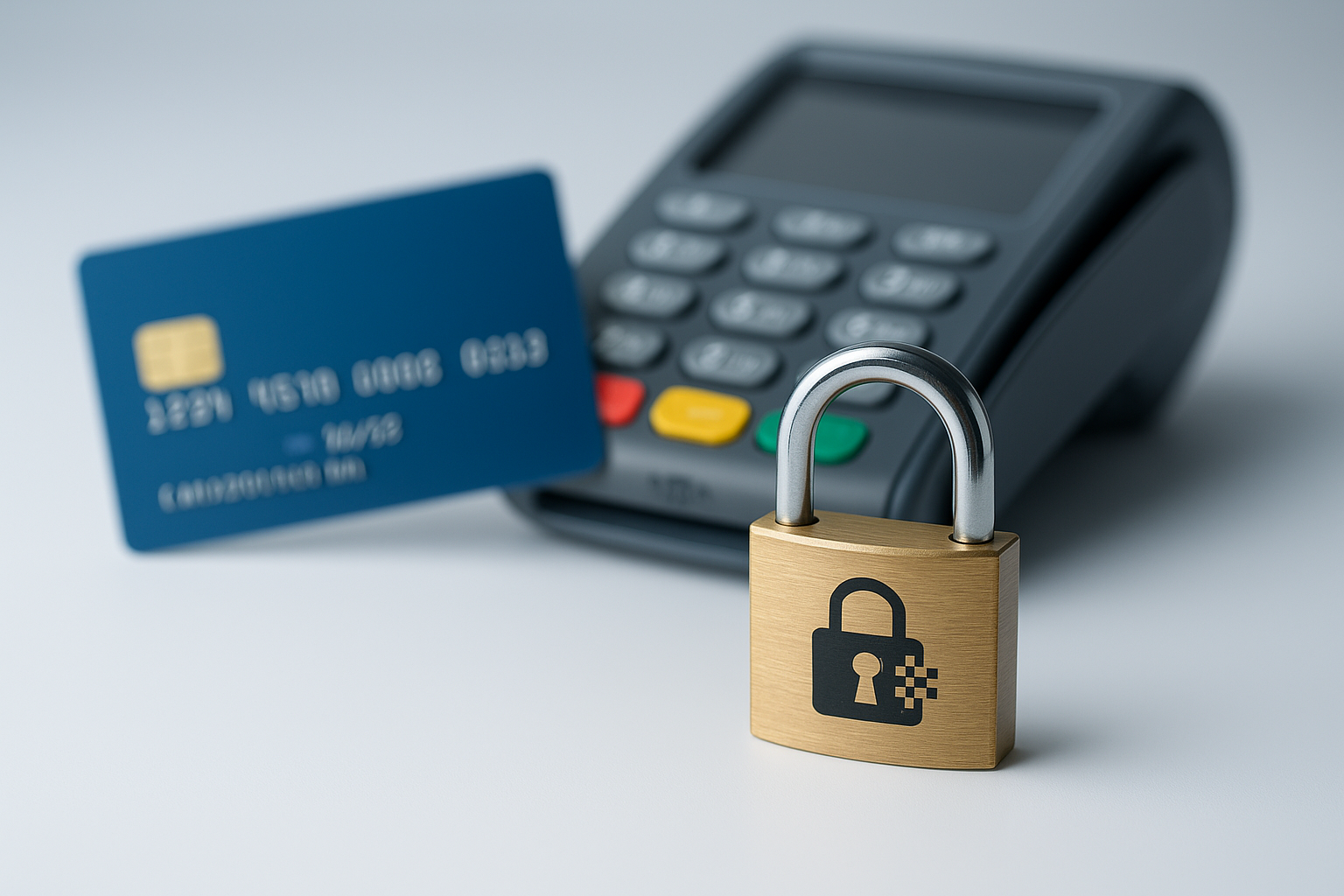
Merchant service providers often include tools such as encryption, tokenization, address verification, and fraud monitoring to protect both businesses and customers.
Reporting and Analytics
Detailed transaction reports can help business owners track sales trends, identify top-performing products, and make smarter decisions.
Recurring Billing and Invoicing
Service businesses and subscription-based companies often need automated billing tools for repeat customers, invoices, and payment reminders.
Types of Merchant Service Providers
Not all providers are the same. The right option depends on your business model, sales volume, and technical needs.
Traditional Merchant Account Providers
These companies set up a dedicated merchant account for your business, often offering customized pricing and more robust support. They may be a strong choice for established businesses with higher transaction volume.
Payment Service Providers
Payment service providers simplify onboarding by letting businesses accept payments without opening a separate merchant account. They are often popular with small businesses and startups because setup is usually fast and easy.
All-in-One Platforms
Some providers combine payment processing, POS tools, invoicing, and online checkout into one package. These platforms are convenient for businesses that want fewer moving parts.
Benefits of Using a Merchant Service Provider
Working with a merchant service provider offers several advantages that can improve both operations and customer satisfaction.
Convenience: Customers can pay how they prefer, whether in person, online, or through mobile devices.
Speed: Electronic payments are typically faster than cash or manual invoicing, which helps improve cash flow.
Security: Reputable providers use advanced security measures to help protect sensitive payment data.
Professionalism: Offering modern payment options can make your business appear more trustworthy and up to date.
Scalability: As your business grows, a good provider can support more locations, higher transaction volumes, and new sales channels.
How to Choose the Right Merchant Service Provider
Choosing the right provider requires more than comparing advertised rates. It is important to look at the full value of the service and how well it fits your business.
Compare Pricing Carefully
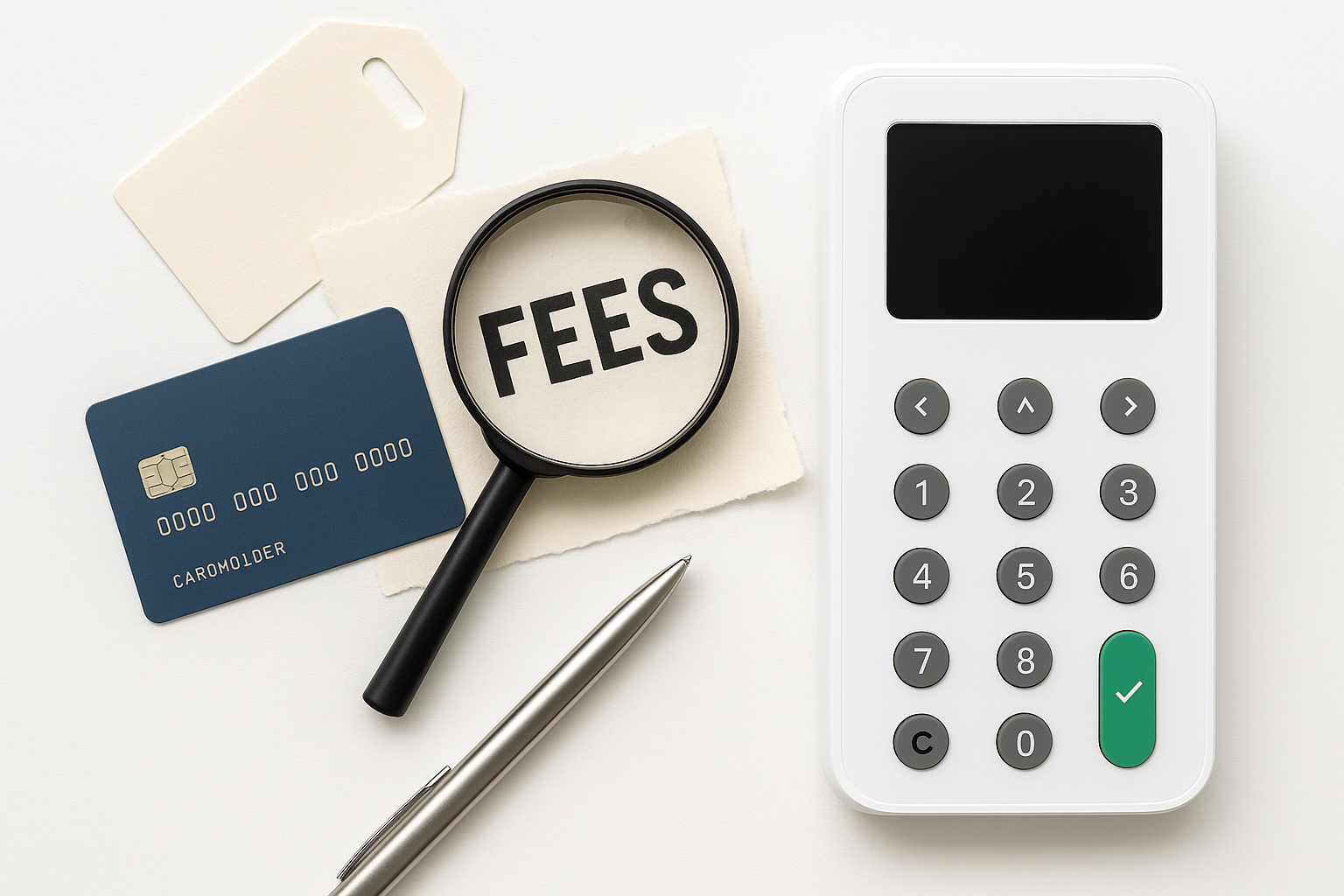
Merchant service pricing can include transaction fees, monthly fees, chargeback fees, gateway fees, and equipment costs. Ask for a full fee breakdown so you understand the true cost.
Evaluate Payment Methods Supported
Make sure the provider supports the payment types your customers use most, including chip cards, contactless payments, online cards, digital wallets, and recurring billing if needed.
Check Compatibility
If you already use accounting software, e-commerce tools, or a POS system, confirm that the provider integrates smoothly with your existing setup.
Review Security Standards
Look for PCI compliance, fraud prevention features, encryption, and tokenization. Security should be a top priority for any business accepting card payments.
Assess Customer Support
Payment issues can disrupt sales quickly, so responsive support matters. Consider whether the provider offers phone, chat, email, or 24/7 assistance.
Think About Business Growth
Choose a provider that can grow with you. If you plan to expand into e-commerce, add locations, or launch subscriptions, the provider should be able to support those changes.
Common Mistakes to Avoid When Selecting a Provider
One common mistake is choosing a provider based on low headline rates alone. A low rate may come with hidden fees or limited service. Another mistake is overlooking contract terms, such as early termination fees or automatic renewals.
Some businesses also forget to consider chargeback management and fraud prevention. These features may not seem important at first, but they can save time and money later. Finally, do not assume every provider works well for every type of business. A restaurant, a subscription company, and an e-commerce store all have different payment needs.
Conclusion
A merchant service provider plays a vital role in helping businesses accept payments securely and efficiently. By understanding what these providers offer and how they operate, you can make a smarter choice for your business. The best provider will fit your budget, support your preferred payment methods, and grow alongside your company.