Introduction
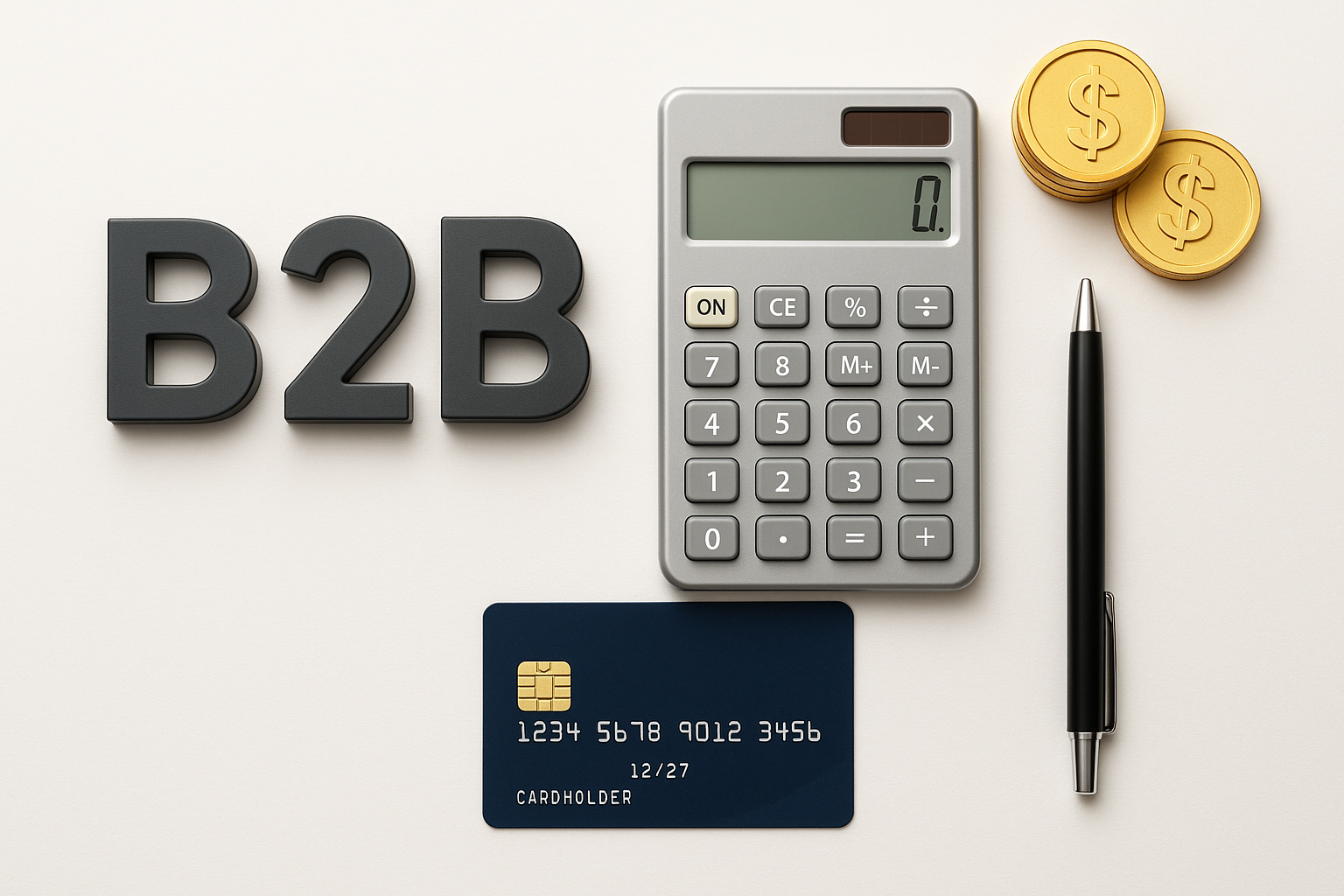
B2B payment processing is the system businesses use to send and receive payments for products and services. Unlike consumer payments, B2B transactions often involve larger invoice amounts, negotiated terms, multiple approvals, and a greater need for security and accuracy. As companies grow, the way they manage payments can have a direct impact on cash flow, vendor relationships, and operational efficiency.
Today’s businesses need payment processes that are fast, reliable, and flexible. Whether you are paying suppliers, collecting from clients, or managing recurring invoices, the right B2B payment processing strategy can reduce delays, lower costs, and improve visibility across your financial operations.
What Is B2B Payment Processing?
B2B payment processing refers to the tools, workflows, and financial networks businesses use to handle transactions between companies. These payments can happen through bank transfers, virtual cards, ACH payments, wire transfers, checks, or integrated digital payment platforms.
In a B2B environment, payment processing is usually more complex than in consumer commerce because it must account for purchase orders, invoice matching, credit terms, tax requirements, and approval chains. A strong payment process helps ensure funds move securely and accurately from one business to another.
How B2B Payments Work
Although every business has its own process, most B2B payments follow a similar flow:
1. Invoice creation
The seller issues an invoice after delivering goods or services. The invoice includes payment terms, due date, amount owed, and payment instructions.
2. Approval and verification
The buyer reviews the invoice, checks it against purchase orders or contracts, and routes it through internal approval workflows if needed.
3. Payment initiation
Once approved, the buyer selects a payment method such as ACH, wire transfer, virtual card, or check. Some businesses use automated systems to schedule payments based on due dates.
4. Settlement and reconciliation
The payment is processed through the chosen network, funds are transferred, and both sides reconcile the transaction in their accounting systems.
When this process is streamlined, businesses can reduce manual errors and improve cash flow management.
Common B2B Payment Methods
There are several payment methods used in B2B transactions, each with its own advantages and limitations.
ACH transfers
Automated Clearing House (ACH) transfers are a popular choice for domestic B2B payments. They are typically low-cost, secure, and well-suited for recurring or high-volume transactions. The main drawback is that settlement may take a few business days.
Wire transfers
Wire transfers are often used for urgent or high-value payments because they move funds quickly. However, they usually come with higher fees and are less flexible than ACH.
Virtual cards
Virtual cards provide a secure, single-use or limited-use card number for supplier payments. They can offer better control, faster processing, and potential rebate opportunities, making them attractive for accounts payable teams.
Checks
Checks are still used in some industries, but they are slower, more labor-intensive, and more vulnerable to delays or fraud than digital options.
Credit cards
Some B2B buyers use business credit cards for smaller purchases or when they want to extend payment terms. While convenient, card processing fees can be higher than other methods.
Bank transfers and online payment platforms
Modern payment platforms often combine multiple transfer methods into one system. These tools can simplify invoicing, automate reconciliation, and improve payment tracking.
Benefits of Streamlined B2B Payment Processing
Improving B2B payment processing can create meaningful value across the organization.
Better cash flow management
Faster and more predictable payments help businesses manage working capital more effectively. Companies can time outgoing payments strategically and receive incoming funds without unnecessary delays.
Reduced administrative workload
Automation reduces manual data entry, invoice chasing, and paper-based tasks. This frees finance teams to focus on higher-value work.
Fewer errors
Automated matching and standardized workflows reduce mistakes caused by duplicate payments, incorrect amounts, and lost invoices.
Improved supplier relationships
Paying vendors on time and through their preferred methods strengthens trust and can improve negotiating power for future contracts.
Greater transparency
Digital payment systems offer real-time visibility into invoice status, payment history, and pending approvals, making financial planning easier.
Challenges in B2B Payment Processing
Despite the benefits, many businesses still face obstacles when managing B2B payments.
Manual workflows
Paper invoices, email approvals, and spreadsheet tracking slow down processing and increase the chance of error.
Complex approval chains
Larger organizations often require multiple sign-offs before a payment can be released, which can create bottlenecks if workflows are not well defined.
Fraud and security risks
B2B payments involve sensitive financial data, making them a target for invoice fraud, phishing, and unauthorized payment changes. Strong controls are essential.
Cross-border complications
International payments may involve foreign exchange fees, banking delays, regulatory requirements, and differing local payment preferences.
Reconciliation issues
When payment references do not match invoices or remittance details are missing, accounting teams may struggle to reconcile transactions efficiently.
How to Improve B2B Payment Processing
Businesses can take several steps to modernize and strengthen their payment operations.
Automate accounts payable and receivable
AP and AR automation tools can reduce manual entry, route approvals, and send payment reminders automatically. This speeds up the entire payment cycle.
Offer multiple payment options
Providing vendors and clients with flexible payment choices can improve convenience and reduce friction. Different partners may prefer ACH, cards, or wire transfers depending on their needs.
Use payment integrations
Connecting payment systems with accounting, ERP, and invoicing platforms helps keep financial records synchronized and reduces reconciliation work.
Strengthen security controls
Use approval limits, dual authorization, encryption, vendor verification, and fraud monitoring to protect against unauthorized transactions.
Track payment performance
Monitor metrics such as days payable outstanding, payment cycle time, and error rates to identify opportunities for improvement.
Standardize vendor onboarding
Collect payment details using secure onboarding workflows and verify vendor banking information before sending funds. This reduces the risk of fraud and payment failures.
Why B2B Payment Processing Matters for Growth
As businesses scale, payment complexity tends to increase. More vendors, more invoices, and more customers create more opportunities for bottlenecks and financial risk. A modern B2B payment process supports growth by making transactions faster, more accurate, and easier to manage.
It also gives finance leaders better control over working capital and helps organizations build stronger relationships with partners. In competitive markets, efficient payment processing can become a real advantage.
Conclusion
B2B payment processing is more than a back-office function. It plays a central role in cash flow, vendor trust, financial accuracy, and business growth. By adopting automation, strengthening controls, and offering flexible payment methods, companies can create a smarter and more scalable payment system.
For businesses looking to stay competitive, improving B2B payment processing is a practical step that can deliver lasting operational value.