What Are NFC Payments?
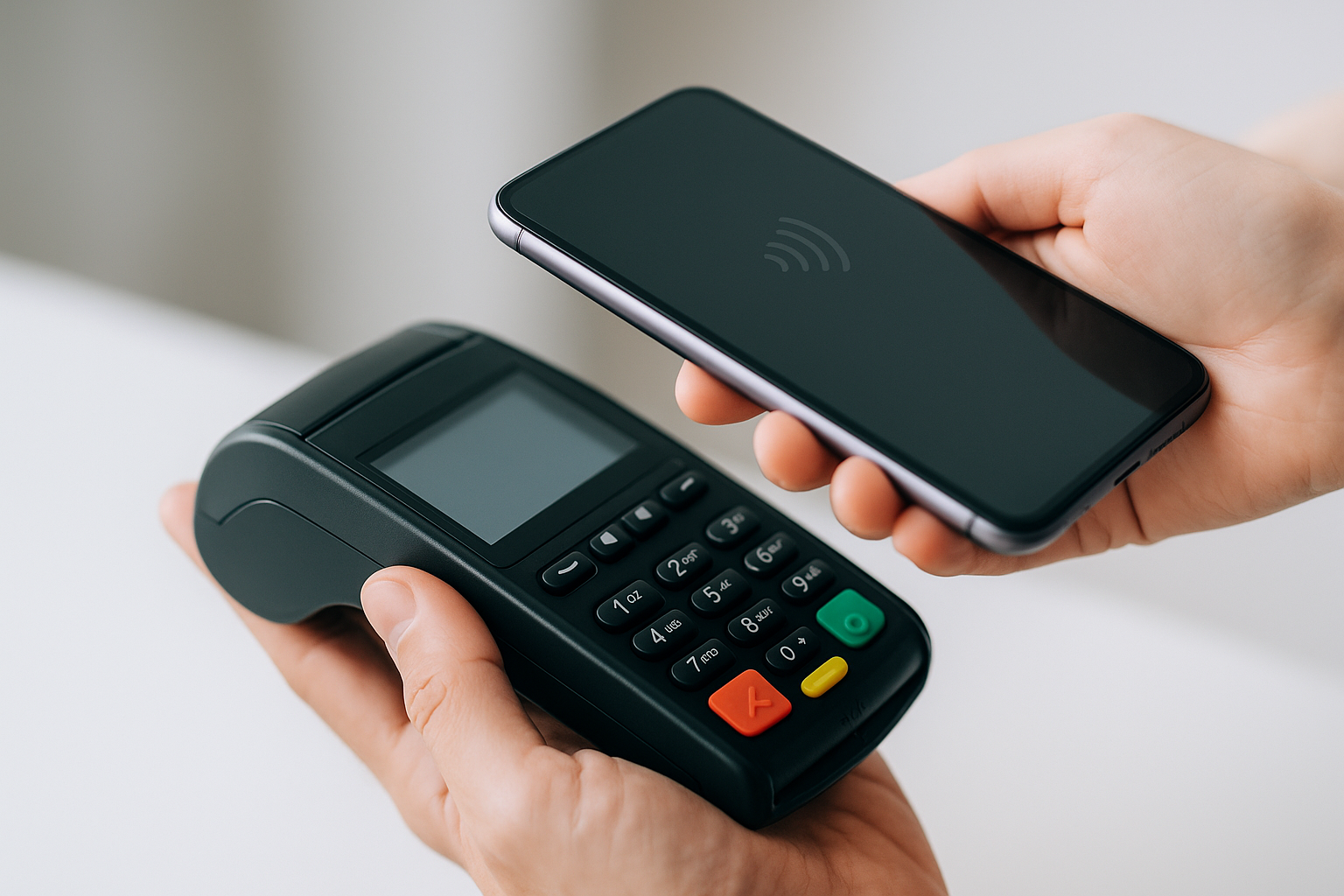
NFC payments are a fast, contactless way to pay using a smartphone, smartwatch, contactless card, or other enabled device. NFC stands for Near Field Communication, a short-range wireless technology that allows two devices to exchange data when they are held very close together, usually just a few centimeters apart.
In simple terms, NFC payments let you tap your device at a payment terminal instead of inserting a card or handing over cash. This has made checkout faster, cleaner, and often more convenient for both customers and businesses.
How NFC Technology Works
NFC works by creating a secure communication link between two devices that are close enough to “touch” or nearly touch. One device, such as a phone or card, sends payment information to a terminal that is equipped to read it. The terminal then communicates with the payment network and the bank to approve or decline the transaction.
Unlike Bluetooth, NFC does not require pairing or manual setup each time. It is designed for quick exchanges, which is why it is ideal for everyday payments. Most NFC transactions happen in a matter of seconds.
The Role of the Payment Terminal
At the checkout counter, the terminal is the point of contact for the NFC transaction. It emits a small electromagnetic field that powers the interaction and reads the data from the customer’s device or card. The customer usually just taps or holds the device near the reader until the payment is confirmed.
Tokenization and Security
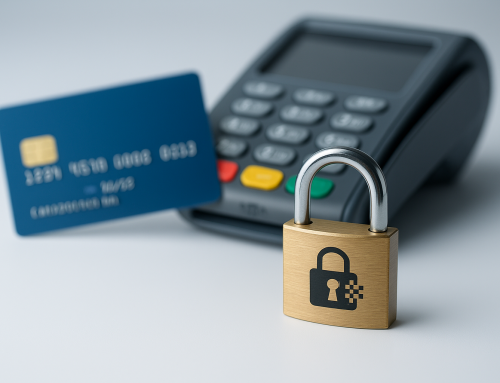
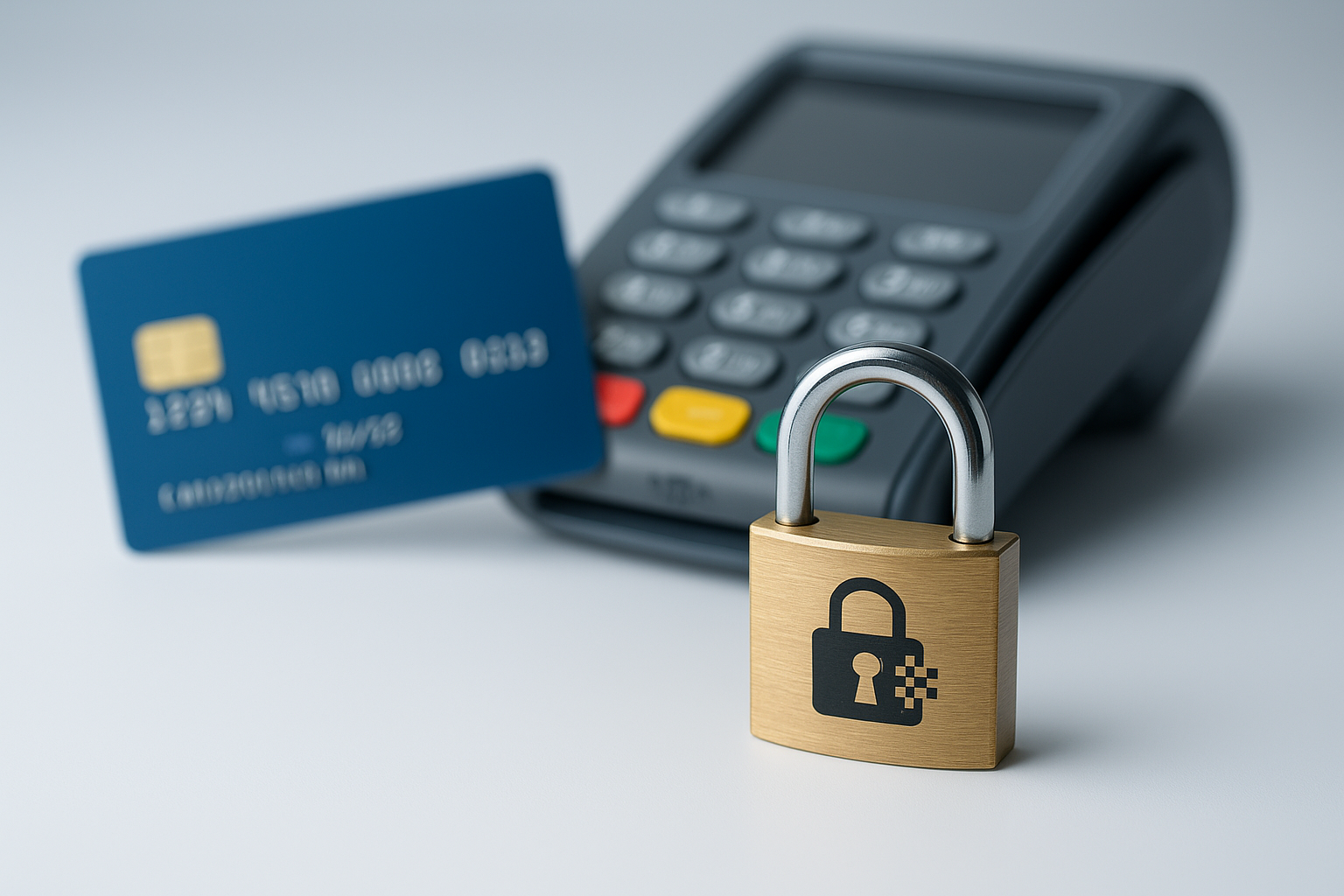
One of the biggest advantages of NFC payments is security. Many NFC systems use tokenization, which replaces actual card details with a unique digital token. This means your real card number is not shared with the merchant during the transaction.
In addition, most mobile wallets require a passcode, fingerprint, face scan, or other authentication before payment is approved. This adds another layer of protection if a phone or wearable is lost or stolen.
Common Devices and Apps Used for NFC Payments
NFC payments can be made using a wide range of devices. The most common options include:
- Smartphones with mobile wallets such as Apple Pay, Google Pay, or Samsung Wallet
- Smartwatches and other wearable devices that support contactless payments
- Contactless debit and credit cards with the wireless symbol
- Some transit cards and loyalty cards that use NFC technology
Mobile wallets are especially popular because they let users store multiple cards in one place, manage payment settings, and sometimes even add rewards cards, tickets, or IDs depending on the region and device.
Benefits of NFC Payments
NFC payments offer several advantages for consumers and businesses alike.
Speed and Convenience
Tap-to-pay is much faster than entering a PIN for every small purchase or fumbling with cash and change. This makes it especially useful in busy settings such as coffee shops, grocery stores, transit stations, and quick-service restaurants.
Improved Hygiene
Contactless payments reduce the need to touch shared surfaces such as cash, card readers, and signature pads. While hygiene may not be the only reason people choose NFC, many appreciate the cleaner checkout experience.
Better Security than Traditional Card Swipes
Compared with magnetic stripe cards, NFC payments are generally safer because the transaction data is dynamic and encrypted. Tokenization, biometric authentication, and secure device settings all help reduce fraud risk.
Easy for Businesses to Adopt
Many modern payment terminals already support NFC, so merchants often do not need major infrastructure changes to accept tap-to-pay. This can help reduce checkout friction and improve customer satisfaction.
Where NFC Payments Are Used
NFC payments are now common in many everyday situations. You can tap to pay at retail stores, restaurants, pharmacies, gas stations, and vending machines. Public transportation systems in many cities also use NFC for quick boarding and ticketing.
Online and in-app purchases may also use NFC-enabled devices in some cases, though the term usually refers to in-person contactless payments. As adoption grows, NFC continues to become a standard part of everyday commerce.
Are NFC Payments Safe?
For most users, NFC payments are considered very safe. The short range of NFC reduces the chance of interception because the device must be very close to the terminal. On top of that, payment data is typically encrypted and tokenized, making it difficult for criminals to access your real card information.
That said, no payment method is completely risk-free. Users should still protect their devices with strong passwords, keep software updated, and review transaction alerts regularly. If a phone is lost, remote locking and wiping features can help safeguard stored payment information.
How Businesses Can Benefit from Accepting NFC Payments
For merchants, accepting NFC payments can lead to shorter lines, faster service, and a more modern customer experience. This can be especially valuable in high-volume environments where speed matters. Contactless payments may also help reduce cash handling and lower the chance of human error at checkout.
Because many customers now expect tap-to-pay options, offering NFC can also make a business feel more flexible and customer-friendly. In competitive markets, that convenience can make a real difference.
The Future of NFC Payments
NFC payments are likely to keep growing as more consumers replace cash with digital wallets and contactless cards. We are also seeing NFC expand beyond simple checkout transactions into transit, access control, event tickets, and identity verification.
As mobile ecosystems mature, NFC may become even more seamless, with wearables and connected devices handling more everyday purchases. The combination of speed, security, and convenience makes NFC a strong foundation for the future of payments.
Conclusion
NFC payments have changed the way people pay by making transactions faster, safer, and easier to complete. Whether you use a phone, smartwatch, or contactless card, tap-to-pay offers a smooth experience that fits modern life. As adoption continues to grow, NFC is set to remain one of the most convenient payment methods available.