If you accept online payments, you’ve probably seen the terms merchant account and payment gateway used almost interchangeably. They’re related, but they do very different jobs. Understanding the difference can help you choose the right payment setup, avoid unnecessary fees, and create a smoother checkout experience for your customers.
In simple terms, a merchant account is where card funds are temporarily held before they’re deposited into your business bank account, while a payment gateway is the technology that securely transmits payment information during checkout. Both are important, and in many cases, businesses need both to accept credit and debit card payments online.
What Is a Merchant Account?
A merchant account is a special type of bank account that allows your business to accept card payments. When a customer pays by credit or debit card, the money doesn’t go directly into your regular business checking account. Instead, it first passes through the merchant account for processing and settlement.
Merchant accounts are typically provided by a merchant acquiring bank or a payment service provider. They play a key role in approving, holding, and settling funds from card transactions. Without a merchant account, you generally can’t accept card payments directly from customers.
How a Merchant Account Works
Here’s the basic flow: a customer makes a purchase, the payment gets authorized, the funds are captured, and then the money is deposited into your business bank account after processing. The merchant account acts as the middle step between your customer’s bank and your own bank account.
Merchant accounts also help manage risk. Since card payments can be reversed or disputed, the merchant account provider evaluates your business before approving you. That’s why underwriting, application reviews, and reserve requirements are common with merchant accounts.
What Is a Payment Gateway?
A payment gateway is the secure technology that sends payment information from your website or point-of-sale system to the payment processor and back again. Think of it as the digital equivalent of a card reader combined with a secure data tunnel.
When a customer enters card details at checkout, the gateway encrypts the data and transmits it safely. It then returns an approval or decline message to the customer and your store. In online commerce, the gateway is what makes real-time card authorization possible.
How a Payment Gateway Works
When someone clicks “Pay Now,” the gateway captures the payment details and sends them through secure channels for authorization. It verifies the information, communicates with the payment processor, and reports the transaction status back to your checkout page.
Most gateways also include fraud prevention tools, tokenization, and recurring billing features. If you run an eCommerce store or offer subscriptions, a payment gateway is essential for handling transactions securely and efficiently.
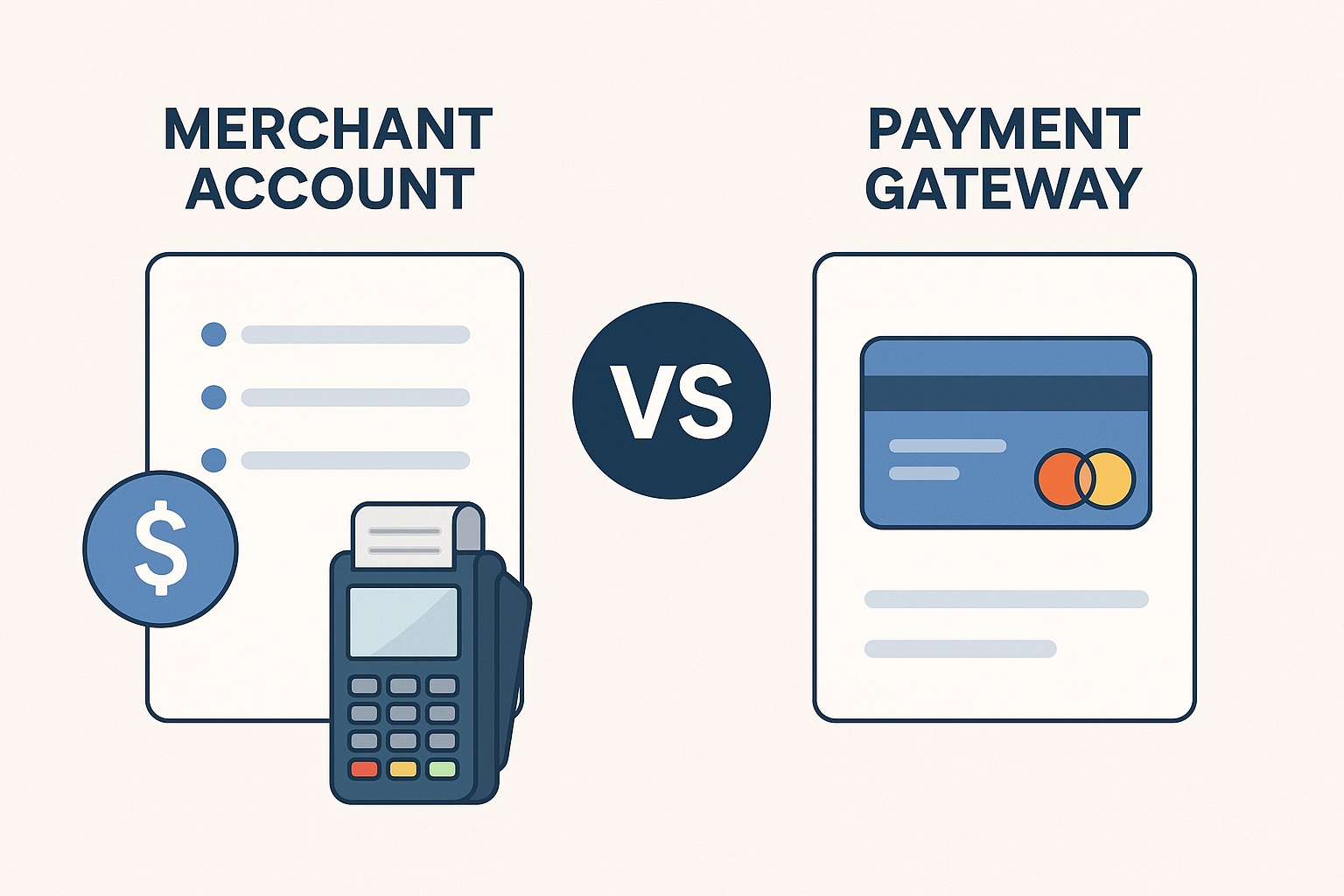
Merchant Account vs Payment Gateway: The Key Difference
The simplest way to compare the two is this:
- Merchant account: handles the financial side of accepting card payments and holds funds before settlement.
- Payment gateway: handles the technical side by securely transmitting transaction data.
A merchant account is about money movement and settlement. A payment gateway is about data transmission and transaction authorization. One is not a replacement for the other.
For example, if you run an online store, a customer enters their card information into your checkout page. The payment gateway securely sends that data to the processor, which communicates with the card network and issuing bank. If approved, the merchant account receives the transaction and helps move the funds to your business bank account.
Do You Need Both?
In most cases, yes. If you want to accept card payments online, you usually need both a merchant account and a payment gateway. The gateway captures and sends the payment information, and the merchant account receives the authorized funds.
However, some providers bundle both services into one package. This is common with all-in-one platforms that combine merchant account functionality, gateway services, and payment processing. These solutions can simplify setup, reduce technical work, and make pricing easier to understand.
When a Bundled Solution Makes Sense
A bundled solution may be ideal if you want a fast setup, fewer vendors to manage, or an easier integration for your website. Small businesses, startups, and subscription businesses often prefer this approach because it reduces complexity.
That said, larger businesses or high-risk industries may benefit from a dedicated merchant account and a separate gateway. This setup can offer more flexibility, better support for custom needs, and improved control over rates and features.
How Fees Differ
Merchant accounts and payment gateways often come with different pricing structures. A merchant account may charge application fees, monthly fees, transaction fees, chargeback fees, or reserve requirements. These costs can vary based on your industry, sales volume, and risk profile.
A payment gateway often charges a monthly gateway fee, per-transaction fee, or setup fee. Some gateways also charge for advanced features like recurring billing, fraud tools, or international payments.
When comparing providers, look beyond the headline rate. A low transaction fee may be offset by high monthly charges, poor support, or expensive chargeback handling. Always review the full pricing model before signing up.
Security and Compliance Considerations
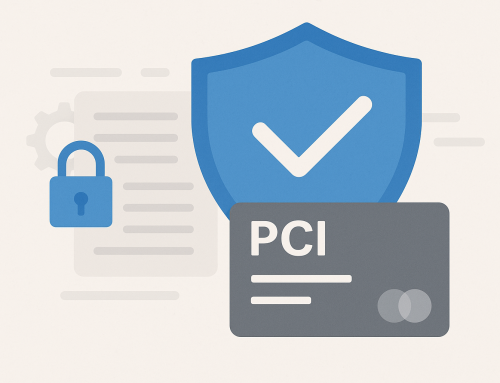
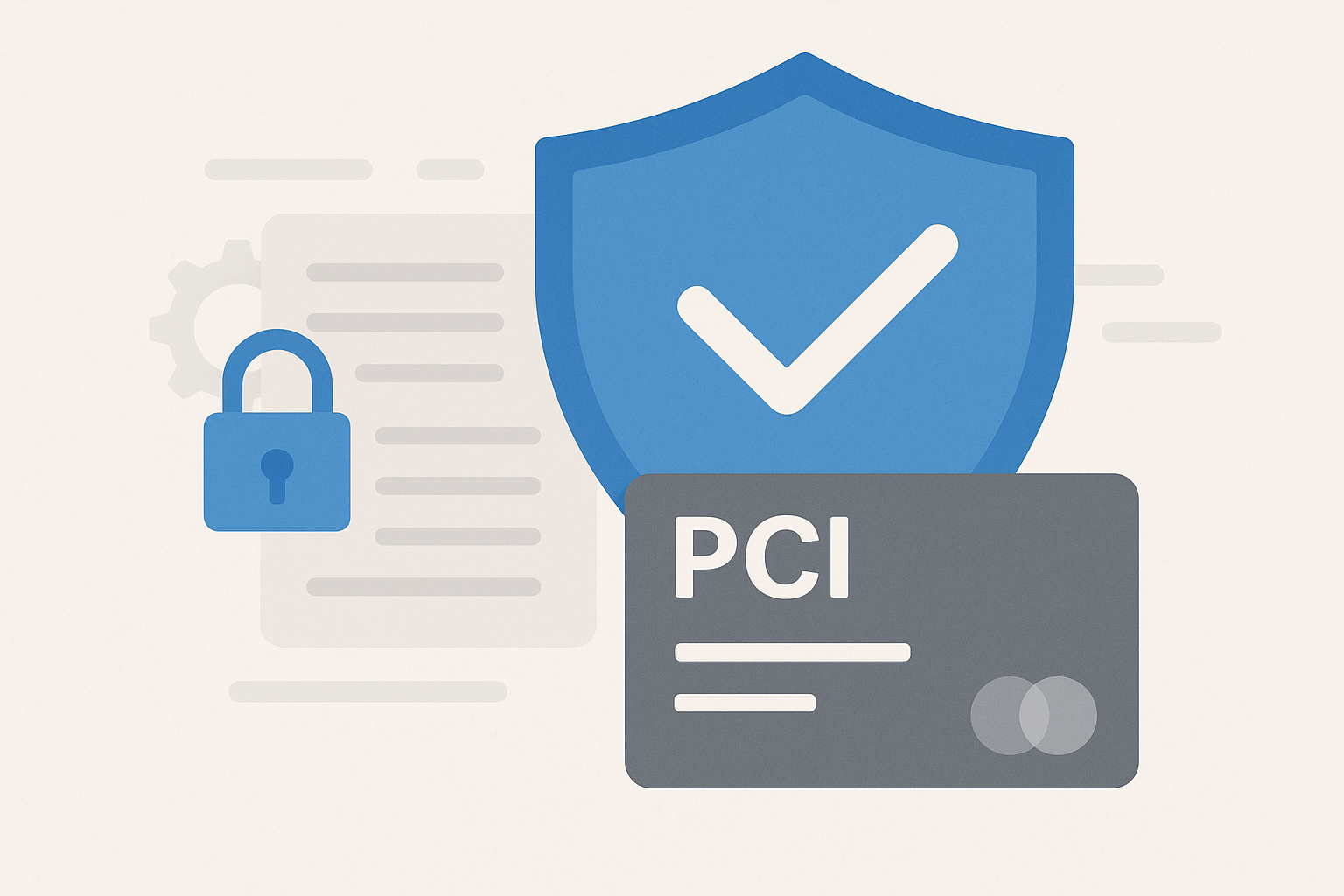
Security is one of the biggest reasons these services exist. Payment gateways use encryption and tokenization to protect customer data during transmission. Many also support PCI compliance tools to reduce the burden on your business.
Merchant account providers also monitor transaction risk and may place holds or request additional documentation if they detect suspicious activity. This helps protect both the business and the payment network from fraud and losses.
If you store, transmit, or process card data, it’s important to follow PCI DSS requirements. Using a reputable gateway and merchant account provider can significantly reduce your compliance workload.
How to Choose the Right Payment Setup
The right setup depends on your business model, sales volume, and technical needs. If you run a simple online store, an all-in-one solution may be the easiest path. If you process high volumes or have unique billing requirements, a separate merchant account and gateway may give you more control.
Questions to Ask Before Choosing
- Do you need in-person, online, or recurring payment support?
- How much do you expect to process each month?
- Do you need integrations with your eCommerce platform or accounting tools?
- Are you in a high-risk industry?
- What are the monthly, per-transaction, and chargeback fees?
Taking time to answer these questions will help you avoid surprises and choose a payment solution that fits your business today and as it grows.
Conclusion
Merchant accounts and payment gateways work together, but they serve different functions. The merchant account handles the funds, while the payment gateway handles secure transaction data. If you understand the difference, it becomes much easier to evaluate providers, compare pricing, and choose the right system for your business.
For most online sellers, the best solution is the one that balances security, ease of use, cost, and scalability. Once you know what each component does, you can make a smarter decision about how to accept payments with confidence.