What Are Hidden Merchant Fees?
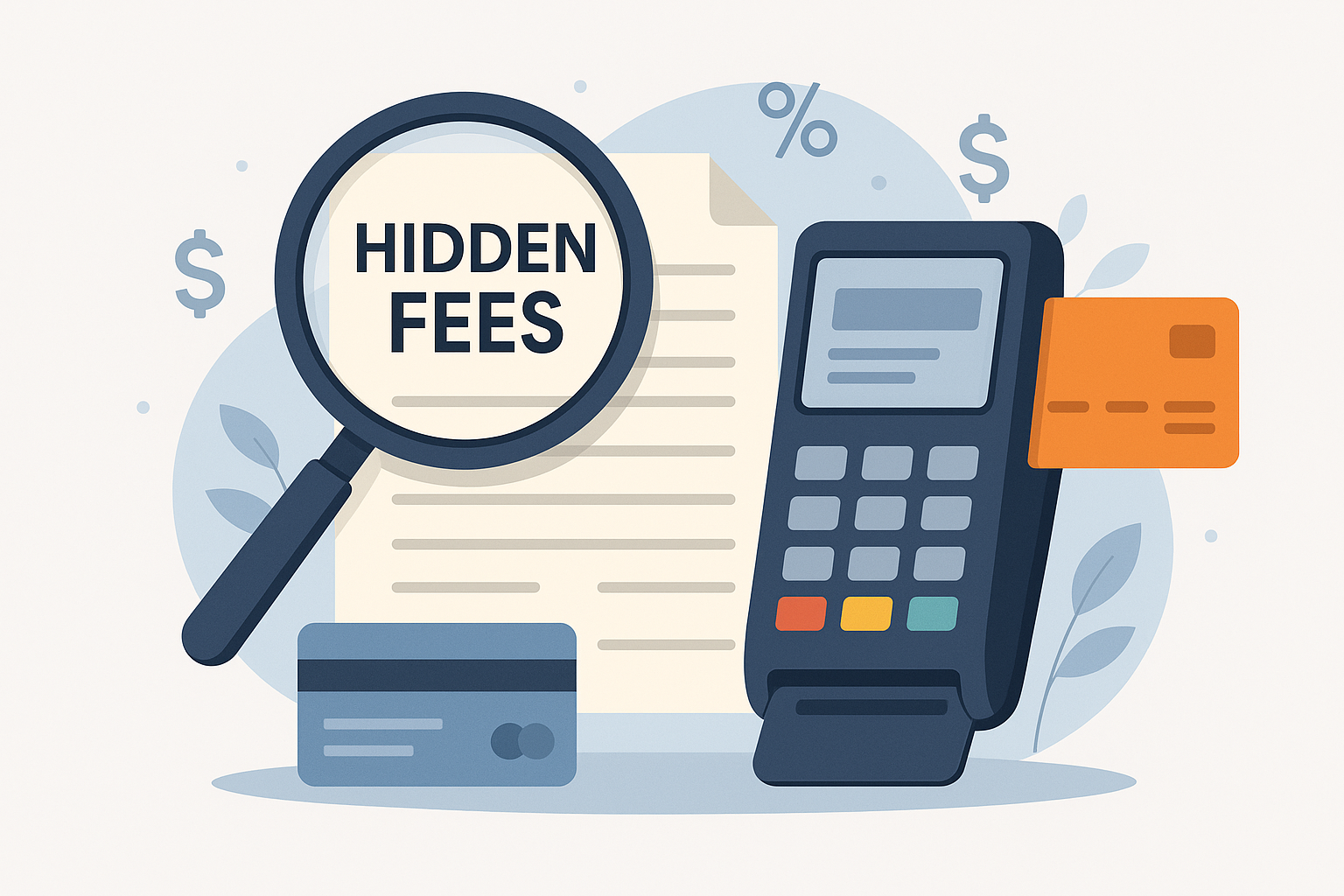
Hidden merchant fees are extra charges that appear on a merchant account, payment processing statement, or contract without being clearly explained upfront. They can be small and easy to overlook, which is exactly why they often go unnoticed for months. Over time, though, these costs can add up and quietly reduce your profit margin.
Some hidden fees are not truly “invisible” in a legal sense. Instead, they are buried in fine print, renamed in confusing ways, or included in the billing structure so they are difficult to identify at first glance. For business owners, that can make it hard to compare processors fairly or know whether they are paying a competitive rate.
Why Hidden Merchant Fees Matter
Every dollar a business pays in processing costs is a dollar not spent on growth, staffing, inventory, or marketing. If you accept cards, digital wallets, or online payments, merchant fees are likely one of your unavoidable operating expenses. The issue is not paying for payment processing itself; the issue is paying more than necessary because of unclear pricing or surprise charges.
Hidden fees also make budgeting harder. When your monthly statement includes charges you did not expect, forecasting becomes less accurate. For small businesses in particular, even modest overcharges can significantly affect margins.
Common Types of Hidden Merchant Fees
1. Monthly Statement Fees
Some processors charge a monthly fee simply for providing statements or maintaining your account. These fees may be low, but they can still be frustrating if they were not clearly disclosed during signup.
2. PCI Compliance Fees
PCI compliance is important for protecting cardholder data, but some providers charge separate compliance fees, validation fees, or non-compliance penalties. The issue is when these costs are presented as mandatory add-ons without a clear explanation of what they cover.
3. Batch Fees
A batch fee is charged when transactions are settled for the day. In some cases, businesses are charged a fee every time they close out their terminal or payment system. If you process payments frequently, these charges can add up.
4. Gateway Fees
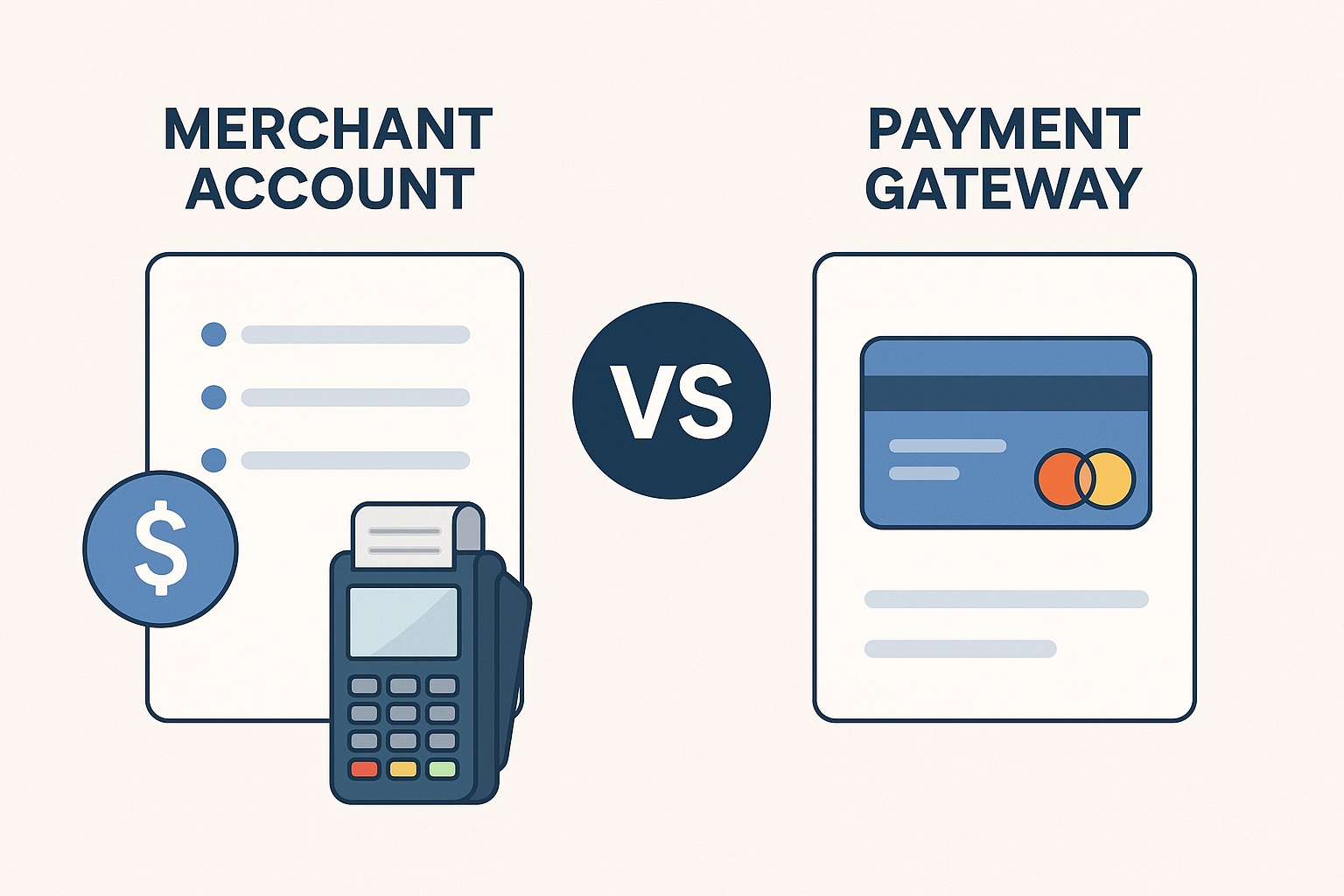
Online businesses often need a payment gateway to authorize and transmit transactions. Some providers charge a separate gateway fee on top of processing fees, even if the service was bundled into the sales pitch.
5. Early Termination Fees
Contracts may include penalties if you leave before the agreement ends. These can be substantial and are sometimes paired with automatic renewal clauses that make it easy to get locked in longer than expected.
6. Equipment Lease Fees
Instead of selling you a terminal or reader outright, some providers lease equipment at a high long-term cost. The monthly lease may look affordable, but over time it can be far more expensive than buying the equipment directly.
7. Chargeback Fees
Chargebacks happen when a customer disputes a transaction. Most processors charge a fee to handle the dispute, and some also add administrative or retrieval fees. These costs are often legitimate, but they can still be steep.
8. Non-Qualified or Downgrade Fees
With tiered pricing, transactions may be classified as qualified, mid-qualified, or non-qualified based on factors like card type, card entry method, or transaction timing. Many merchants do not realize how often transactions are downgraded until they review the statement closely.
How Hidden Merchant Fees Show Up on Statements
One of the biggest challenges is that hidden fees rarely appear under obvious names. A charge may be labeled as an “assessment,” “program fee,” “service fee,” or “miscellaneous fee.” In other cases, the wording is vague enough that it is unclear whether the fee is required, optional, or negotiable.
To make matters worse, some processors bundle several charges together, making it harder to see the true cost per transaction. If you only look at the headline rate quoted by a sales rep, you may miss the smaller line items that raise your effective processing rate.
Red Flags to Watch For
If you are evaluating a merchant account or reviewing your current statement, be alert for these warning signs:
- Very low advertised rates with little mention of additional fees
- Contracts with long terms and automatic renewals
- Statements that are difficult to understand or lack itemization
- Fees labeled as “regulatory,” “administrative,” or “membership” without detail
- Pressure to sign quickly before reviewing the full agreement
- Equipment lease terms instead of transparent purchase pricing
These red flags do not always mean a provider is dishonest, but they do mean you should ask more questions before agreeing to anything.
How to Spot Hidden Merchant Fees Before You Sign
The best time to catch hidden fees is before you agree to a processing contract. Start by requesting a full fee schedule, not just a summary of processing rates. Ask the provider to explain every recurring charge, monthly charge, per-transaction charge, annual fee, and termination clause.
It also helps to compare the effective rate, not just the quoted rate. The effective rate is the total processing cost divided by total card sales. This number gives you a more realistic picture of what you are actually paying.
When reviewing a contract, pay attention to the following:
- Whether the pricing is flat-rate, interchange-plus, or tiered
- Any minimum monthly processing requirements
- Fee increases after the introductory period ends
- Statement and compliance charges
- Cancellation terms and renewal windows
How to Reduce or Avoid Hidden Fees
The good news is that many hidden merchant fees can be reduced or avoided with a little diligence.
Negotiate upfront. Some fees are flexible, especially if your business has decent processing volume or a strong relationship with the provider. Ask whether statement fees, PCI fees, or gateway fees can be waived or lowered.
Choose transparent pricing. Interchange-plus pricing is often easier to understand than tiered pricing because it separates the card network’s actual cost from the processor’s markup. While no pricing model is perfect, transparency makes it easier to compare offers.
Review your statement monthly. Set a reminder to scan your statement every month. Look for new line items, rate changes, and unexplained increases. The sooner you catch a fee, the easier it is to dispute or question it.
Buy equipment instead of leasing. If you need a terminal or reader, compare the total lease cost over time with the purchase price. In many cases, buying is cheaper and simpler.
Keep chargebacks low. Clear billing descriptors, excellent customer service, and prompt order fulfillment can help reduce disputes. Fewer chargebacks mean fewer related fees.
Work with a trusted advisor or accountant. If your statements are especially complex, having a second set of eyes can help uncover fees you might miss on your own.
Questions to Ask Your Payment Processor
Before signing a contract or renewing with a provider, ask direct questions such as:
- What fees are charged monthly, annually, or per transaction?
- Are there PCI, batch, gateway, or statement fees?
- Is the quoted rate the full cost, or are other charges added later?
- What happens if I cancel early?
- Can I get a sample statement showing all possible fees?
- Are rates and fees guaranteed, or can they change at any time?
A reputable provider should be willing to answer these questions clearly. If the answers are evasive, that is a sign to keep shopping.
Conclusion
Hidden merchant fees can quietly drain revenue, but they do not have to be a mystery. By reading contracts carefully, reviewing statements regularly, and asking direct questions, you can protect your business from unnecessary costs. The more transparent your payment processing setup is, the easier it becomes to keep more of what you earn.