For contractors, getting paid quickly and securely is just as important as winning the job. Whether you’re a general contractor, electrician, plumber, roofer, or handyman, offering credit card payments can make life easier for you and your customers. It can help reduce late payments, improve cash flow, and create a more professional experience from start to finish.
This guide explains how credit card processing works for contractors, what to look for in a payment solution, and how to choose the best setup for your business.
Why Credit Card Processing Matters for Contractors
Contracting businesses often deal with large invoices, emergency service calls, and clients who prefer convenience. In many cases, customers expect to pay with a card—especially for deposits, smaller jobs, or after-hours repairs. If you only accept checks or cash, you may lose business or delay payment longer than necessary.
Accepting credit cards can help contractors:
- Get paid faster
- Reduce collections issues
- Take deposits before work begins
- Offer convenient payment options to customers
- Improve cash flow during busy seasons
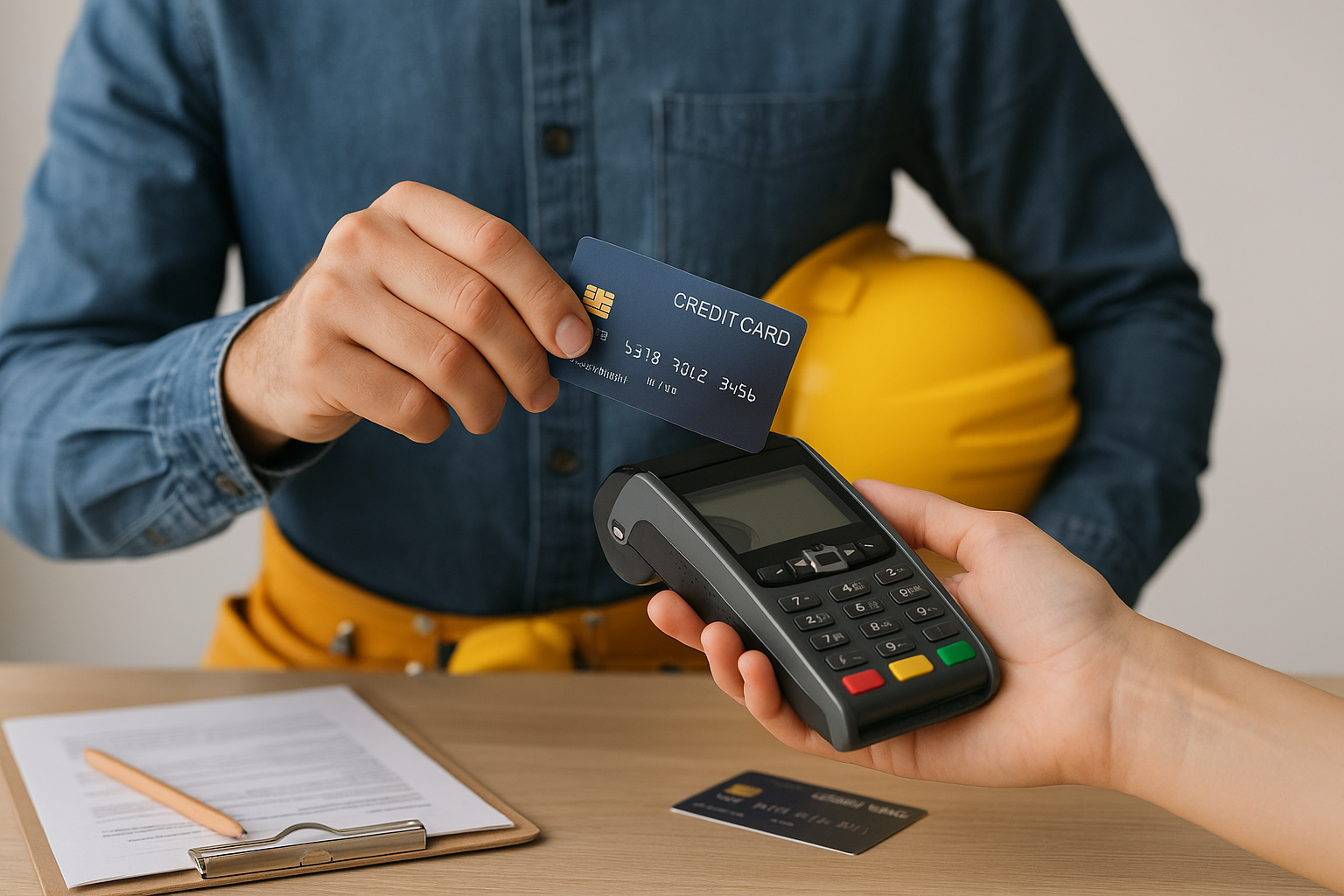
For many contractors, the ability to collect payment on-site or immediately after completing a job is a major operational advantage.
How Credit Card Processing Works for Contractors
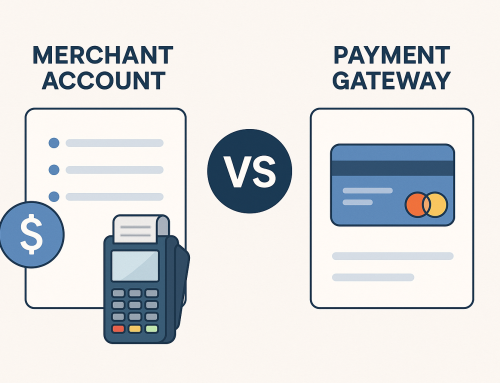
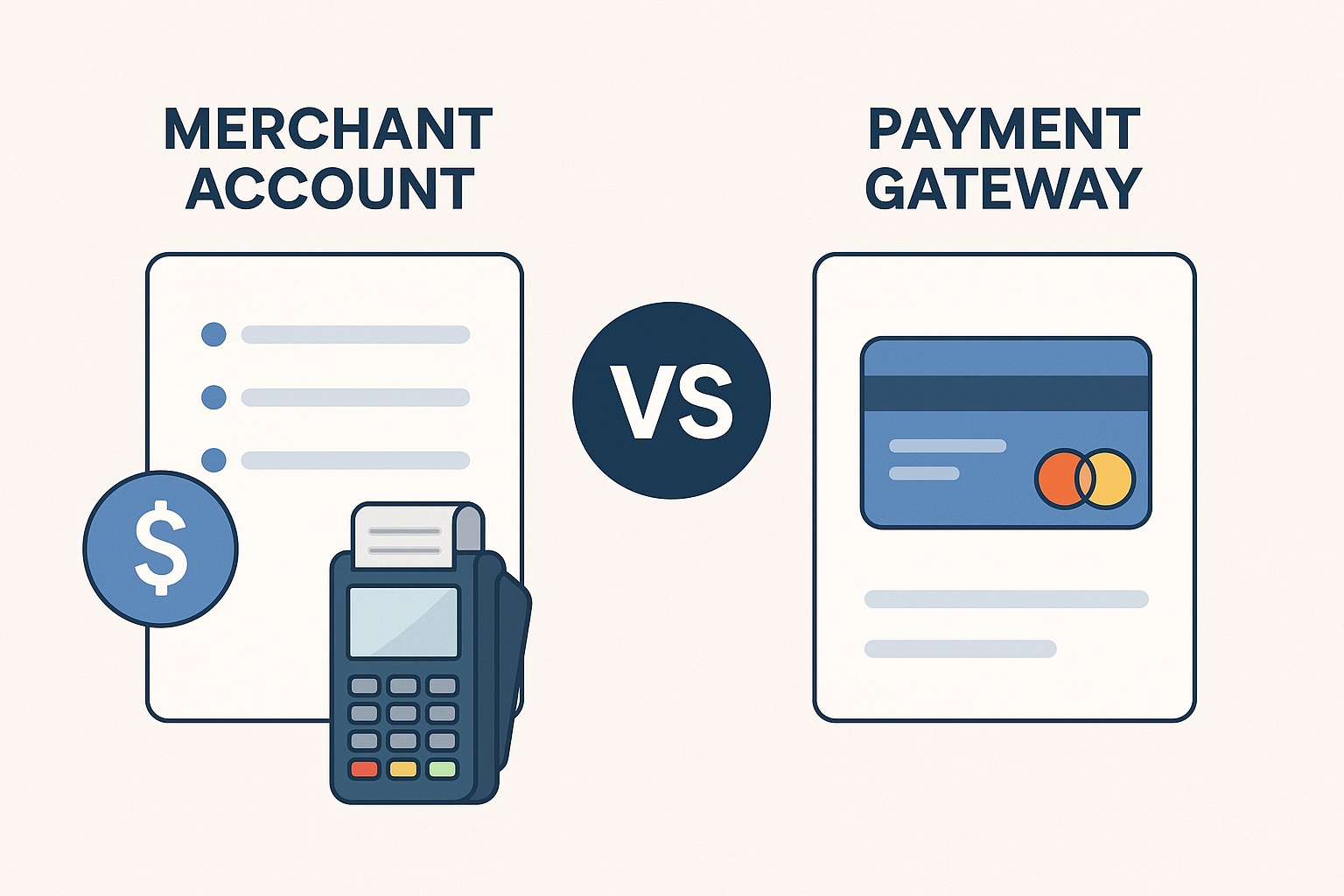
Credit card processing allows you to accept payments from debit and credit cards through a merchant account and payment processor. When a customer pays, the processor verifies the transaction, moves the funds through the card network, and deposits the money into your business account, usually within one to two business days.
Contractors typically use one or more of the following payment methods:
- Mobile card readers for in-person payments on job sites
- Virtual terminals for taking payments over the phone
- Online payment links for invoices and estimates
- Recurring billing for maintenance contracts or service agreements
The best setup depends on how you work, how often you invoice, and whether your business is mostly in the field or at a desk.
Benefits of Accepting Cards on the Job
Credit card processing offers more than just convenience. It can improve the way your business operates and how customers view your company.
Faster Cash Flow
Instead of waiting for mailed checks or chasing down overdue invoices, you can collect payment immediately. That means less time spent on accounting follow-up and more predictable revenue.
Better Customer Experience
Customers often appreciate having flexible payment options. If you make it easy to pay, they’re more likely to complete the transaction promptly and have a positive impression of your business.
Fewer Payment Delays
When payment is due at the end of a job, card processing reduces the chance of delays caused by forgotten checkbooks, bank holidays, or mismatched mailing addresses.
Stronger Professional Image
Being able to accept cards, send digital invoices, and process deposits can make even a small contracting business look more established and organized.
What Contractors Should Look for in a Payment Processor
Not all credit card processors are the same. Contractors need a solution that works well in the field, supports different payment scenarios, and keeps costs manageable.
Competitive Pricing
Processing fees can add up, especially if you handle large invoices or high transaction volume. Look for transparent pricing with no hidden charges. Common fee structures include flat-rate pricing, interchange-plus pricing, and subscription-style plans.
Mobile-Friendly Tools
Because contractors often work on-site, mobile capabilities matter. A good processor should offer a secure card reader, mobile app, or invoicing system that works from your smartphone or tablet.
Fast Deposits
Quick access to funds is essential for covering payroll, materials, and operating expenses. Ask how long deposits take and whether same-day or next-day funding is available.
Invoicing and Estimates
Many contractors benefit from integrated invoicing tools. The ability to send estimates, collect deposits, and request final payment from one platform can save time and reduce administrative work.
Recurring and Partial Payment Support
If you offer maintenance plans, service contracts, or long-term projects, recurring billing and partial payment options can make billing easier for both you and your customers.
Security and Compliance
Always choose a provider that supports PCI compliance and includes fraud protection tools. Since payments may be taken in person, by phone, or online, security should be a top priority.
Common Challenges Contractors Face With Card Payments
While accepting cards has many advantages, contractors should also understand the potential drawbacks and plan for them.
Processing Fees
Every card transaction comes with a fee. For businesses with tight margins, it’s important to factor those costs into pricing or encourage lower-cost payment methods when appropriate.
Chargebacks
A customer may dispute a charge, especially on larger projects. Clear contracts, detailed invoices, signed estimates, and proof of completion can help protect your business.
Internet Connectivity in the Field
If you work in remote areas or locations with unreliable service, you’ll need a backup plan for taking payments offline or collecting payment later through secure invoicing.
Equipment and Setup
Some systems require card readers, tablets, or software subscriptions. Before signing up, make sure the setup is simple enough for your crew to use consistently.
Best Practices for Contractors Accepting Credit Cards
To get the most from credit card processing, contractors should establish a clear payment process and communicate it to customers early.
- Include payment terms in every estimate and contract
- Collect deposits for large projects when needed
- Send invoices immediately after work is completed
- Train staff on how to accept payments securely
- Keep records of signed approvals, receipts, and completed work
It also helps to let customers know upfront which payment methods you accept and whether there are any convenience fees or minimum amounts.
Choosing the Right Setup for Your Contracting Business
The best payment solution depends on your workflow. A small handyman business may only need a mobile card reader and simple invoicing, while a larger contractor may benefit from a full platform with scheduling, estimates, recurring billing, and accounting integrations.
Before choosing a provider, compare:
- Fee structure
- Deposit timing
- Mobile payment options
- Invoice and estimate features
- Customer support quality
- Contract length and cancellation terms
Taking the time to compare options can save money and reduce headaches later.
Conclusion
Credit card processing can be a smart move for contractors who want to get paid faster, serve customers better, and keep projects moving smoothly. With the right payment system in place, you can reduce friction at the end of a job and spend less time chasing payments. By choosing a processor that fits the way you work, you’ll create a more efficient and professional experience for both your business and your customers.