
Introduction to Healthcare Payment Processing
Healthcare payment processing is the system that allows medical providers to collect payments from patients, insurers, and third-party payers in a secure and efficient way. Unlike standard retail payment flows, healthcare transactions often involve copays, deductibles, coinsurance, prior authorizations, claims adjudication, and complex billing rules. Because of this complexity, the payment experience can easily become a source of frustration for both patients and staff.
As healthcare becomes more consumer-driven, practices, hospitals, and specialty clinics are expected to offer the same convenience patients experience in other industries. That means faster checkout, transparent pricing, flexible payment options, and easy digital billing. Effective healthcare payment processing helps organizations improve cash flow, reduce administrative overhead, and create a better patient experience.
How Healthcare Payment Processing Works
At a high level, healthcare payment processing begins when a patient receives care and ends when the provider is fully reimbursed. In practice, however, the process includes several steps and stakeholders. After a visit, the provider submits a claim to the patient’s insurance company. The insurer reviews the claim, determines coverage, and pays its portion based on the plan’s benefits. The patient then receives a bill for any remaining balance, such as a copay or deductible.
Payment collection may happen at multiple points in the care journey. Some payments are collected before the appointment, while others are handled at check-in, after treatment, or through online billing portals. A well-designed payment processing system should support all of these touchpoints while keeping financial data secure and compliant.
Key Participants in the Process
Several parties are involved in healthcare payment processing:
- Patients who may pay copays, coinsurance, deductibles, or self-pay balances.
- Providers such as physicians, specialists, hospitals, and outpatient clinics.
- Insurance companies that adjudicate claims and reimburse covered services.
- Clearinghouses that help route and validate claims electronically.
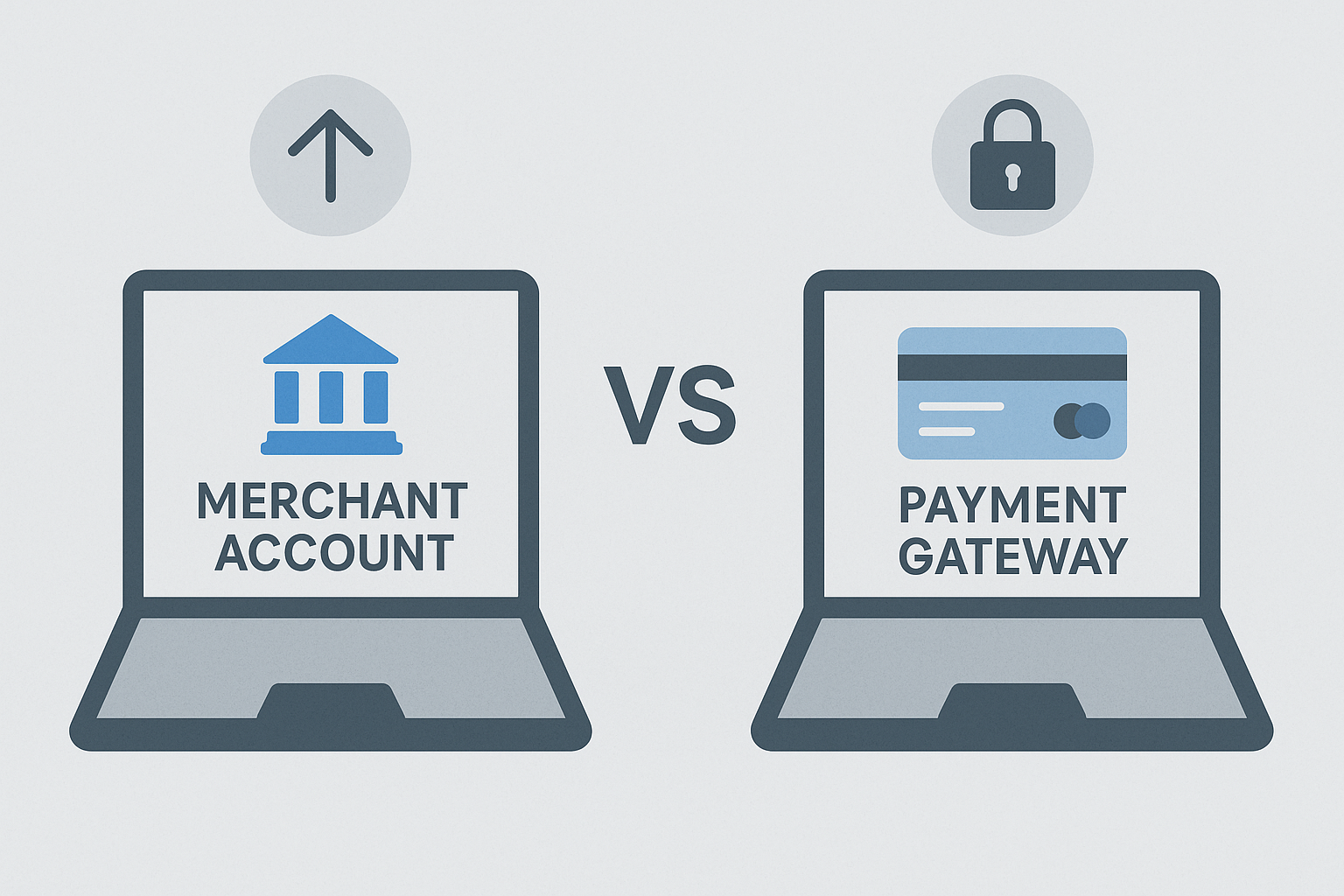
- Payment processors and merchant service providers that move funds securely.
When these systems work together smoothly, revenue cycles move faster and errors are reduced. When they do not, claims may be delayed, patient balances may go unpaid, and staff can spend hours resolving avoidable issues.
Why Healthcare Payment Processing Is Different
Healthcare payments are more complicated than standard commercial transactions because they combine clinical, financial, and regulatory requirements. In retail, a customer pays a fixed price at the time of sale. In healthcare, the final amount may not be known until the insurance claim is processed. That uncertainty makes communication, documentation, and technology especially important.
Another major difference is compliance. Healthcare organizations handle sensitive patient information, which means payment systems must be built with security and privacy in mind. A single payment platform may need to support card payments, patient financing, recurring balances, and digital statements while also protecting protected health information. The result is a payment environment that demands both flexibility and rigorous safeguards.
Common Challenges
Some of the most common challenges in healthcare payment processing include:
- Confusing bills that patients struggle to understand
- High patient out-of-pocket costs
- Delayed insurance reimbursements
- Manual posting and reconciliation errors
- Limited payment options for patients
- Compliance and security risks
Addressing these issues requires more than simply accepting credit cards. It calls for a coordinated payment strategy that supports the full revenue cycle.
Features of an Effective Healthcare Payment System
The best healthcare payment processing systems are designed to make transactions easy for patients and efficient for staff. They should integrate with practice management software and electronic health records, streamline billing, and provide clear visibility into outstanding balances.
Secure Payment Acceptance
A strong system should allow providers to accept payments through multiple channels, including in-office card terminals, patient portals, mobile devices, and text-to-pay links. This flexibility makes it easier for patients to pay when and how they prefer. It also increases the likelihood of timely collection.
Automated Billing and Posting
Automation reduces the burden on billing teams. When payments are automatically posted to patient accounts, staff spend less time on manual data entry and fewer errors occur. Automated billing tools can also generate statements, send reminders, and trigger follow-up notices for overdue accounts.
Transparent Pricing and Estimates
Patients are more likely to pay promptly when they understand what they owe. Tools that provide real-time estimates based on expected coverage can improve transparency and reduce billing disputes. Clear financial communication before treatment helps set expectations and supports better collections.
Flexible Payment Plans
Many patients cannot pay a large balance all at once, especially when deductibles or urgent procedures are involved. Payment systems that support installment plans or recurring payments give patients more manageable options. For providers, this can help reduce bad debt and improve collection rates.
Benefits for Providers and Patients
Healthcare payment processing benefits everyone involved when it is implemented well. Providers gain faster access to revenue, more predictable cash flow, and lower administrative costs. Patients gain convenience, clarity, and a smoother financial experience.
For staff, a modern payment system can reduce time spent chasing balances, answering basic billing questions, and handling manual paperwork. That allows teams to focus more on patient care and less on back-office tasks. For patients, easy-to-use payment options can reduce stress and make the financial side of healthcare feel more manageable.
Improved Cash Flow
Collecting payments faster helps healthcare organizations maintain healthy operations. Real-time or same-day payments reduce the gap between service delivery and reimbursement. When payments are easier to make, patients are also more likely to settle their balances before accounts become overdue.
Better Patient Experience
The billing process is often one of the most memorable parts of a healthcare encounter. A confusing or cumbersome process can leave patients with a negative impression even after good clinical care. By contrast, a convenient and transparent payment experience can improve trust and satisfaction.
Compliance and Security Considerations
Because healthcare payments involve sensitive data, organizations must pay close attention to security and compliance. Payment solutions should use encryption, tokenization, and secure data storage to protect patient and financial information. Access controls, audit trails, and regular monitoring are also important for reducing risk.
Healthcare providers should work with payment vendors that understand industry requirements and can support compliance efforts. Security practices should extend beyond the payment terminal to include portals, billing communications, and internal workflows. Training staff on proper handling of payment information is just as important as the technology itself.
Choosing the Right Healthcare Payment Partner
Selecting the right payment partner can have a major impact on efficiency and patient satisfaction. The ideal solution should integrate with existing systems, offer strong support, and provide a clear path to scaling as the organization grows. It should also be easy for patients to use and simple for staff to manage.
When evaluating vendors, healthcare organizations should look for transparent pricing, robust security features, multiple payment channels, and reporting tools that provide insight into collection performance. A reliable partner can help reduce billing friction and support long-term financial stability.
Questions to Ask Before Implementing a Solution
- Does the system integrate with our EHR or practice management platform?
- Can patients pay online, in person, and by mobile device?
- What security features are included?
- How does the system handle recurring payments and payment plans?
- What reporting and reconciliation tools are available?
- How much staff training will be required?
The Future of Healthcare Payment Processing
The future of healthcare payment processing is likely to be more digital, more automated, and more patient-centered. As consumers expect faster and more convenient payment experiences, providers will continue adopting tools such as text-to-pay, digital wallets, online estimates, and self-service billing portals. Artificial intelligence and automation may also help improve claim accuracy, predict payment behavior, and identify accounts that need follow-up.
At the same time, the industry will continue to balance convenience with privacy and compliance. The organizations that succeed will be those that combine user-friendly technology with strong security, clear communication, and thoughtful financial policies. In other words, the future is not just about collecting payments faster—it is about making the entire process easier for everyone involved.
Conclusion
Healthcare payment processing plays a critical role in the financial health of medical organizations and the overall patient experience. By simplifying billing, improving transparency, and supporting secure digital payments, providers can reduce administrative strain and collect revenue more effectively. A modern payment strategy helps create a smoother journey from care delivery to final reimbursement, benefiting both patients and providers.