What Is Nonprofit Payment Processing?
Nonprofit payment processing is the system that allows charities, foundations, churches, associations, and other mission-driven organizations to accept donations and other payments electronically. It covers the full journey from the moment a supporter enters payment details to the time funds are deposited into the nonprofit’s bank account.
This can include one-time donations, recurring gifts, membership dues, event registrations, sponsorships, crowdfunding contributions, and even payments for merchandise or services. A strong payment processing setup helps nonprofits collect funds efficiently while creating a smooth experience for donors.
Why It Matters for Nonprofits
For nonprofits, payment processing is not just a back-office function. It directly affects fundraising success, donor satisfaction, and cash flow. If donors encounter friction at checkout, they may abandon the gift. If processing fees are too high or reconciliation is messy, the organization can lose valuable time and money.
Good payment processing also supports trust. Donors want to feel confident that their payment information is secure and that their contribution will be handled accurately. A reliable system helps reinforce your organization’s professionalism and credibility.
How Nonprofit Payment Processing Works
At a high level, payment processing involves several steps. First, a donor submits payment information through a donation form, ticketing page, or point-of-sale system. Next, a payment gateway securely transmits the data to a payment processor, which communicates with the card network or bank. The transaction is then approved or declined, and the nonprofit receives confirmation.
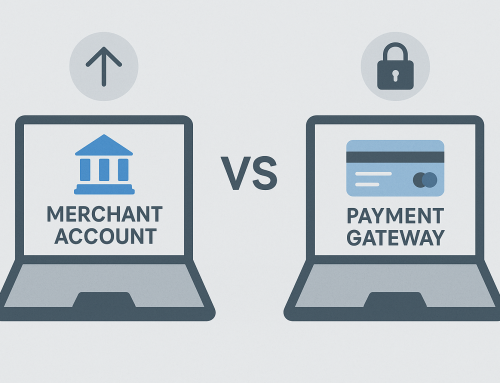
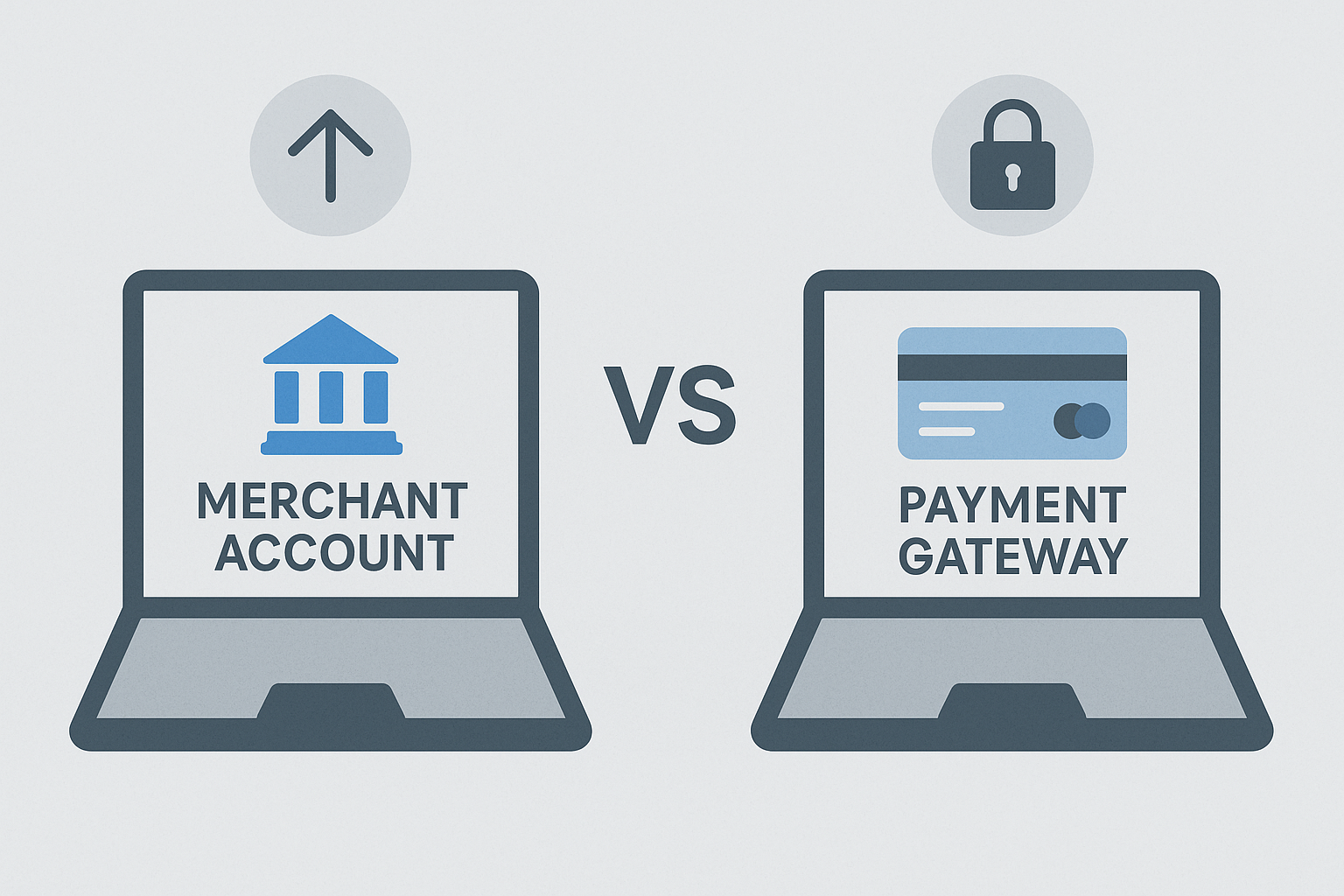
After approval, funds are typically deposited into the nonprofit’s merchant account or bank account after a short settlement period. Many systems also provide reporting tools so staff can track donations, issue receipts, and reconcile entries with accounting software.
Types of Payments Nonprofits Commonly Accept
Credit and Debit Cards
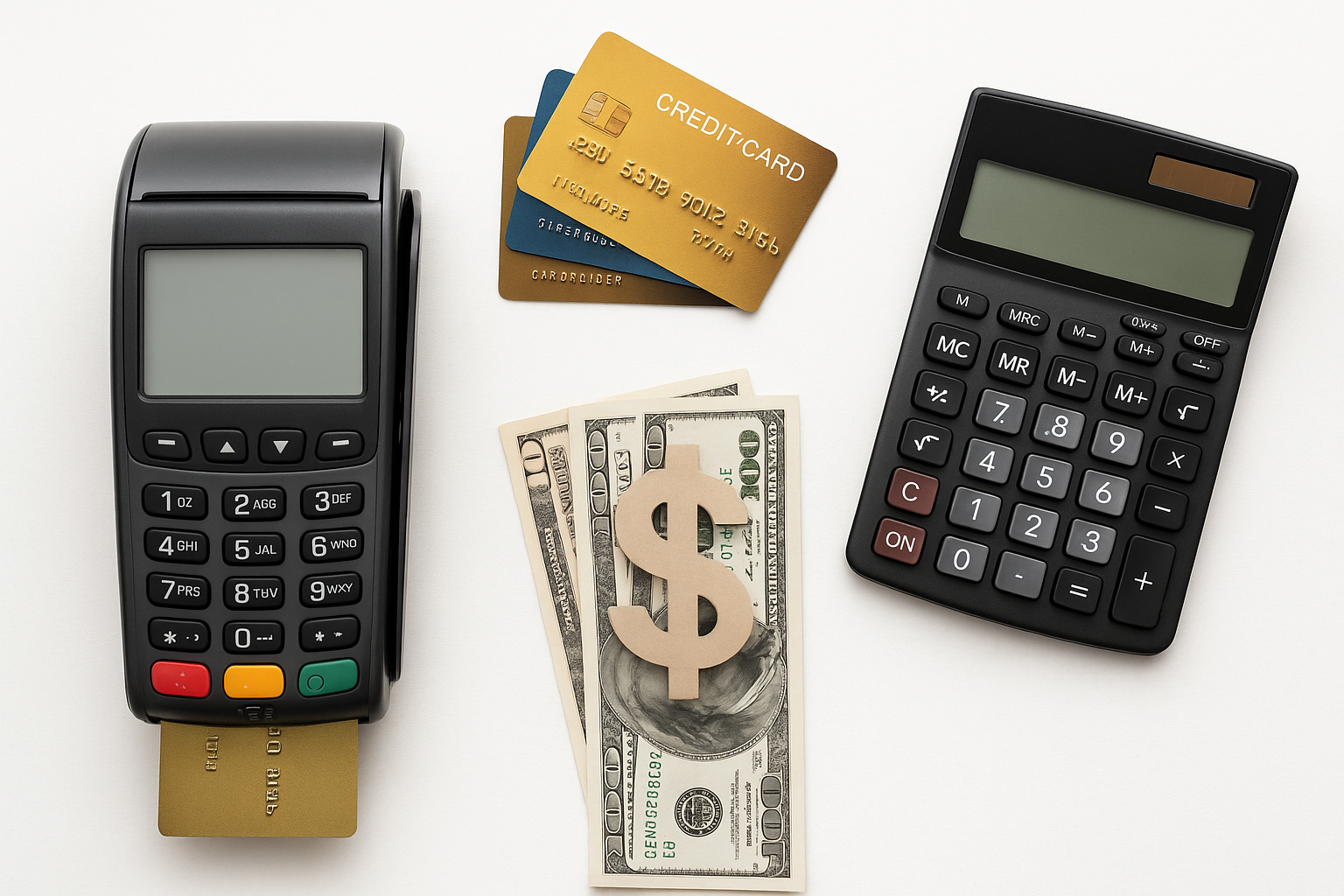
Cards remain the most common way for donors to give online and in person. They are fast, familiar, and easy to integrate into fundraising pages and event platforms.
ACH and Bank Transfers
Automated Clearing House (ACH) payments allow donors to give directly from a bank account. These payments often come with lower fees than card transactions, making them a strong option for larger gifts and recurring donations.
Digital Wallets
Apple Pay, Google Pay, and similar digital wallets make checkout faster on mobile devices. Because many donors now give on their phones, offering wallet payments can reduce friction and improve conversion rates.
Text-to-Give and Mobile Donations
Mobile giving has become a popular fundraising channel for events, campaigns, and emergency response efforts. Text-to-give tools and mobile-friendly donation forms help nonprofits reach supporters wherever they are.
Checks and Offline Payments
Although digital methods are growing, many nonprofits still receive checks, cash, or offline pledges. A complete payment strategy should account for both online and offline gifts so records stay accurate.
Key Features to Look for in a Payment Processor
Donor-Friendly Checkout
The best processors support easy, mobile-responsive donation forms with minimal steps. Look for saved payment methods, recurring gift options, and customizable branding that keeps donors on a familiar giving page.
Recurring Donation Support
Recurring donations can create more predictable revenue. Your processor should make it simple for donors to set up monthly or weekly gifts and easy for staff to manage failed payments, upgrades, and cancellations.
Security and Compliance
Nonprofits handle sensitive financial data and must prioritize security. Choose a processor that supports PCI compliance, encryption, fraud monitoring, and secure data storage. These protections reduce risk and help build donor trust.
Integration with Fundraising and Accounting Tools
Payment processing works best when it connects with your CRM, donation platform, email tools, and accounting software. Integrations reduce manual data entry, improve reporting, and make donor stewardship more efficient.
Transparent Fees
Fees can have a significant impact on nonprofit budgets, so it is important to understand transaction rates, monthly charges, chargeback fees, and payout timing. Some providers also offer nonprofit discounts, so be sure to ask about special pricing.
Common Challenges Nonprofits Face
High Processing Costs
Even small fees can add up quickly when a nonprofit processes a large number of donations. Organizations should compare providers carefully and evaluate whether ACH, donor-covered fees, or platform discounts can lower costs.
Donation Form Drop-Off
Complicated or slow donation forms can discourage supporters from completing a gift. Reducing unnecessary fields, offering multiple payment methods, and keeping the experience simple can help improve conversion rates.
Chargebacks and Fraud
Though less common than in retail, chargebacks can still occur. Nonprofits should use secure checkout tools, require verification where appropriate, and keep clear records of donor communications and receipts.
Reconciliation and Reporting Issues
When donations come from multiple channels, it can be difficult to match transactions to bank deposits and donor records. Integrated reporting and automated reconciliation tools can save hours of administrative work.
Best Practices for Improving Nonprofit Payment Processing
Start by reviewing the full donation journey from the donor’s perspective. Test your forms on desktop and mobile, and remove any unnecessary friction. Make sure payment options are clearly displayed and that the process feels secure and trustworthy.
Offer multiple ways to give, especially for supporters who prefer different devices or payment methods. A donor who cannot use a credit card may still be willing to give through ACH or a digital wallet.
It also helps to communicate the impact of a gift. Clear messaging about how donations support your mission can encourage larger contributions and recurring giving. In addition, prompt confirmation emails and tax receipts show donors that their contribution was received and appreciated.
Finally, review your payment data regularly. Monitor success rates, abandoned donations, recurring gift retention, and fee trends. These insights can help you refine your fundraising strategy and choose the right tools for long-term growth.
How to Choose the Right Payment Processor
The right processor depends on your nonprofit’s size, budget, fundraising model, and technical needs. Smaller organizations may want a simple, affordable solution that integrates with a donation platform. Larger nonprofits may need advanced reporting, multi-channel support, and stronger customization.
Before choosing a provider, create a shortlist of must-have features and ask about nonprofit-specific pricing. It is also wise to test the donor experience, review customer support quality, and confirm how quickly funds are deposited. A good processor should make giving easier for donors and administration easier for staff.
Conclusion
Nonprofit payment processing plays a major role in fundraising success. By choosing a secure, flexible, and donor-friendly system, your organization can reduce friction, increase donations, and spend less time on manual administration. The right payment setup helps you focus more energy on your mission and less on payment headaches.