What Is Payment Security?
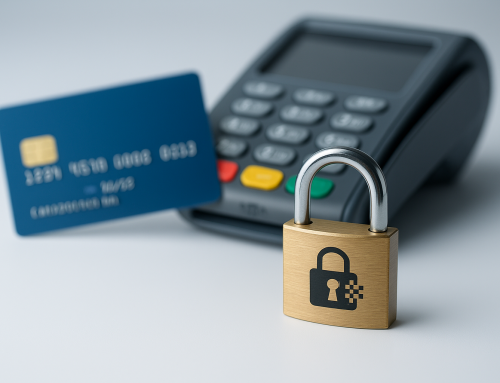
Payment security refers to the tools, processes, and safeguards used to protect payment information during a transaction. It helps ensure that card numbers, bank details, and customer data stay private, accurate, and out of the hands of fraudsters. In a world where online shopping, mobile wallets, and digital billing are part of everyday life, payment security is no longer optional—it is essential.
At its core, payment security is about trust. Customers want to know that their sensitive information will not be stolen, altered, or misused. Businesses want to avoid chargebacks, fraud losses, compliance penalties, and damage to their reputation. Strong security measures help both sides feel confident that transactions are safe from start to finish.
Why Payment Security Matters
Payment security matters because a single breach can have wide-reaching consequences. For customers, stolen payment details can lead to unauthorized purchases, identity theft, and financial stress. For businesses, the fallout can include lost revenue, legal issues, regulatory fines, and a long-term loss of customer confidence.
Trust is especially important in digital commerce. If customers do not feel safe entering their payment information, they may abandon their cart or choose a competitor. Security is therefore not just an IT issue; it is a business growth issue. A secure checkout experience can improve conversions, support brand reputation, and encourage repeat purchases.
Payment security also plays a major role in compliance. Many industries must follow strict standards and regulations to protect cardholder data and personal information. Failing to meet those requirements can result in significant penalties and operational disruptions.
Key Threats to Payment Security
Payment systems face a range of threats, and criminals are constantly evolving their methods. Understanding the most common risks is the first step toward building strong defenses.
Card-Not-Present Fraud
Card-not-present fraud occurs when a criminal uses stolen card details to make purchases online or over the phone. Because the physical card is not present, it is harder to verify the legitimate cardholder. This type of fraud is common in e-commerce and often leads to chargebacks and revenue loss.
Phishing and Social Engineering
Phishing attacks trick employees or customers into revealing sensitive information. Fraudsters may send fake emails or messages that look like they come from a bank, payment processor, or internal team. Social engineering can also involve phone calls or fake support requests designed to bypass normal security procedures.
Data Breaches
Data breaches happen when unauthorized parties access payment data or customer records. Attackers may exploit weak passwords, outdated software, or unpatched systems to steal information. Once data is exposed, it can be sold, reused, or used to launch further attacks.
Malware and Skimming
Malware can infect point-of-sale systems, payment gateways, or customer devices. In physical environments, skimming devices may be attached to card readers or ATMs to capture card details. In digital environments, malicious scripts can quietly harvest checkout data before it is encrypted or transmitted.
Insider Threats
Not all threats come from outside. Employees, contractors, or third-party partners may intentionally or accidentally expose payment data. Poor access control, weak oversight, and excessive permissions can increase the risk of insider-related incidents.
Best Practices for Securing Payments
Building strong payment security requires layers of protection. No single tool can stop every threat, so businesses should combine technology, policy, and training to reduce risk.
Use Encryption Everywhere
Encryption protects payment data by converting it into unreadable code during transmission and storage. Secure Socket Layer (SSL) and Transport Layer Security (TLS) are critical for protecting data sent between customers and payment systems. Encryption should also be used to protect stored sensitive data whenever possible.
Tokenize Sensitive Information
Tokenization replaces actual payment data with a random token that has no value outside the system that created it. This reduces exposure because even if a token is intercepted, it cannot be used like a real card number. Tokenization is especially useful for recurring payments and stored customer profiles.
Comply with PCI DSS
The Payment Card Industry Data Security Standard (PCI DSS) sets requirements for organizations that handle cardholder data. Compliance includes measures such as maintaining secure networks, protecting stored data, managing access controls, and regularly testing security systems. While PCI DSS does not guarantee total protection, it provides a strong framework for reducing risk.
Enable Multi-Factor Authentication
Multi-factor authentication adds an extra layer of security beyond passwords. It may require a code sent to a phone, a biometric check, or a hardware key. MFA makes it much harder for attackers to access payment systems, even if they have stolen login credentials.
Monitor Transactions for Suspicious Activity
Fraud detection systems can flag unusual behavior, such as repeated failed attempts, high-value purchases from new locations, or sudden changes in buying patterns. Real-time monitoring allows businesses to stop suspicious transactions before they are completed or before damage spreads.
Keep Software and Systems Updated
Attackers often target known vulnerabilities in outdated software. Regular updates, patches, and security reviews help close those gaps. This applies to payment gateways, e-commerce platforms, operating systems, plugins, and any connected tools that process customer payments.
Limit Access and Use the Principle of Least Privilege
Only authorized personnel should be able to access payment data or system settings. The principle of least privilege means giving users only the access they need to perform their jobs. This reduces the number of people who can accidentally expose sensitive information and limits the damage if an account is compromised.
How Businesses Can Build a Payment Security Strategy
A strong payment security strategy starts with understanding where payment data enters, moves through, and exits your systems. Businesses should map the payment flow, identify weak points, and prioritize the areas where customer information is most exposed. From there, security controls can be added in layers.
Training is also essential. Employees should know how to recognize phishing attempts, handle customer information responsibly, and report suspicious activity quickly. Security awareness can prevent many incidents before they happen.
Vendor management is another important piece. If you work with payment processors, gateways, or third-party software providers, evaluate their security practices carefully. A weak link in the supply chain can create risk for your entire business.
Finally, test your defenses regularly. Penetration tests, audits, and incident response drills can reveal weaknesses before attackers do. A proactive approach to security is much more effective than reacting after a breach.
The Future of Payment Security
As payments become faster and more digital, payment security will continue to evolve. Artificial intelligence, biometric authentication, and behavioral analytics are becoming more common in fraud prevention. These tools can help identify risks in real time and reduce friction for legitimate customers.
At the same time, criminals are using more advanced techniques, which means businesses must stay alert and adaptable. Security will increasingly depend on continuous monitoring, smarter automation, and stronger identity verification. The future of payment security is not about a single solution—it is about ongoing vigilance and improvement.
Conclusion
Payment security is the foundation of safe transactions and lasting customer trust. By understanding the threats, applying best practices, and building a layered defense strategy, businesses can protect sensitive data and reduce fraud risk. In today’s digital economy, secure payments are not just a technical requirement—they are a competitive advantage.