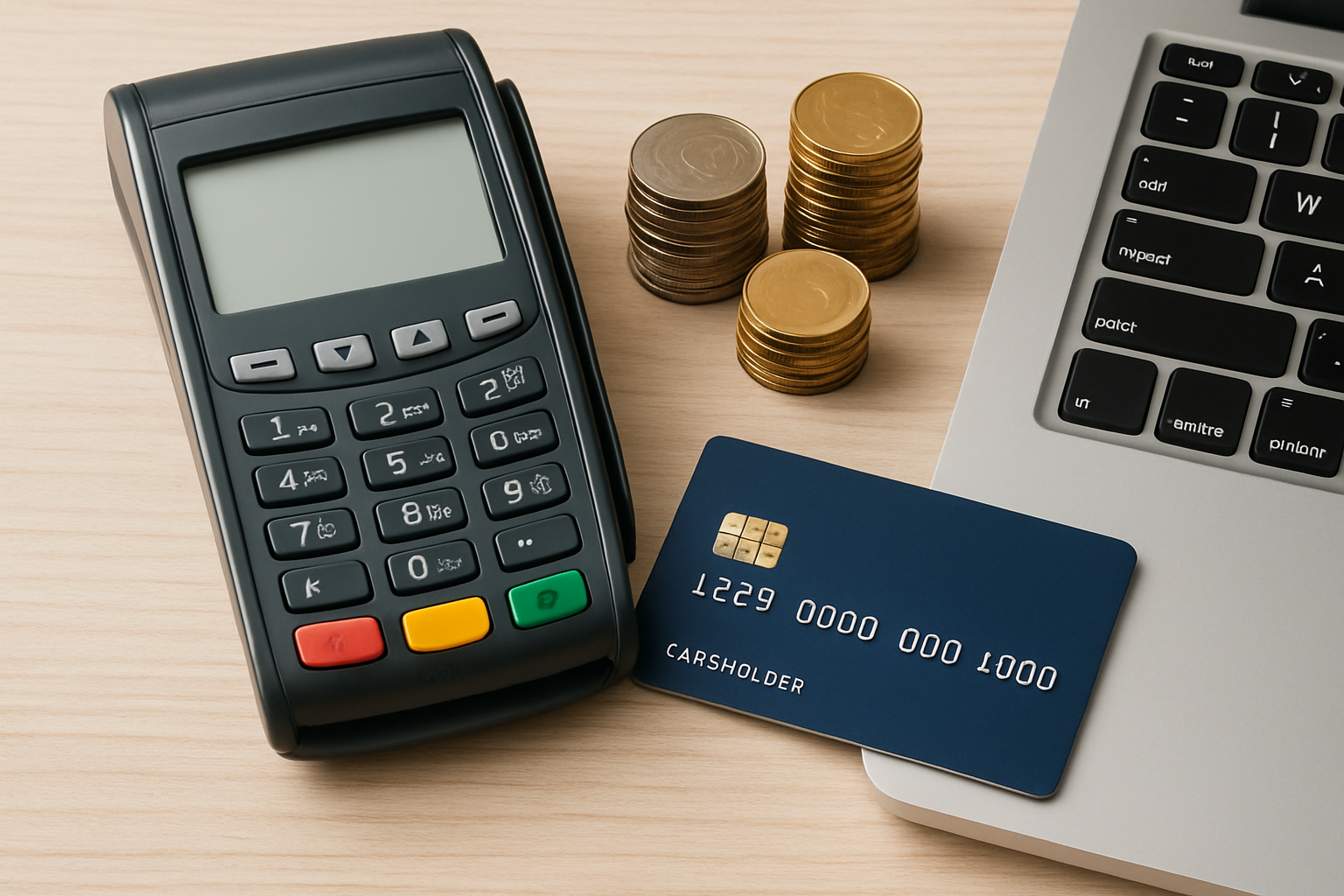
What Is Payment Processing?
Payment processing is the system that lets businesses accept and complete electronic payments from customers. Whether someone pays with a credit card, debit card, digital wallet, or bank transfer, payment processing is the behind-the-scenes technology that verifies the payment, moves the money, and confirms the transaction.
For businesses, payment processing is more than a convenience. It directly affects cash flow, customer experience, fraud risk, and even sales conversion rates. A smooth checkout can help close a sale, while a slow or unreliable process can cause customers to abandon their carts.
How Payment Processing Works
At a high level, payment processing follows a few key steps. Although the process happens in seconds, several systems work together to move a payment from the customer to the merchant.
1. The customer initiates payment
The process begins when a customer enters payment details at checkout. This may happen in a physical store, on an eCommerce site, or through a mobile app. The payment details are then sent securely to the merchant’s payment processor.
2. The payment processor sends the request
The payment processor routes the transaction details to the appropriate card network or financial institution. It acts as the messenger between the merchant, the customer’s bank, and the merchant’s bank. In many cases, this step also includes encryption and fraud screening to protect sensitive data.
3. The bank authorizes the transaction
The customer’s bank, also called the issuing bank, checks whether the card or account is valid and whether enough funds or available credit exist. If everything looks correct, the bank approves the transaction. If there is a problem, such as insufficient funds or suspected fraud, the transaction is declined.
4. The payment is captured and settled
After authorization, the transaction is captured, which means the funds are reserved for the purchase. Settlement happens later, when the money is transferred from the customer’s bank to the merchant’s bank. Depending on the payment method, this can take anywhere from a few hours to several business days.
Key Players in the Payment Process
Several parties are involved in payment processing, and each one plays a distinct role in ensuring the transaction is successful.
Merchant
The merchant is the business that sells goods or services and accepts the payment.
Customer
The customer is the person making the purchase using a payment method such as a card, wallet, or bank account.
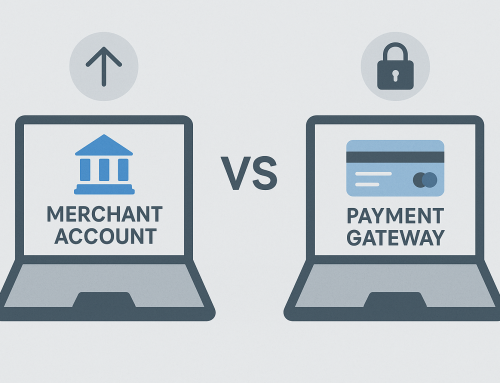
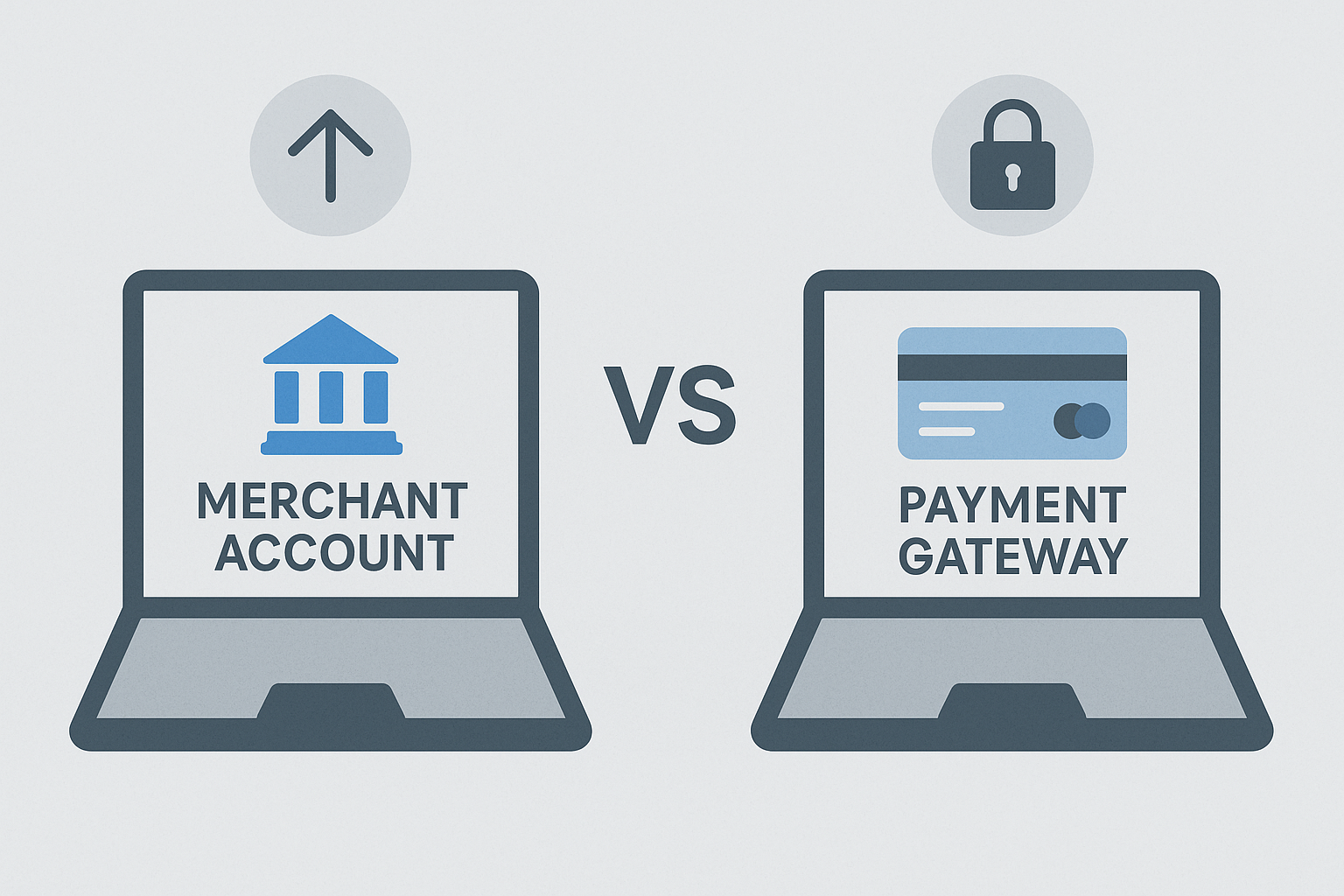
Payment gateway
A payment gateway securely collects payment details from the customer and sends them to the payment processor. It is especially important for online and mobile transactions.
Payment processor
The payment processor handles the technical side of the transaction and communicates between the merchant, financial institutions, and card networks.
Issuing bank
The issuing bank is the customer’s bank or card issuer. It approves or declines the payment based on available funds, card status, and fraud checks.
Acquiring bank
The acquiring bank is the merchant’s bank. It receives the approved funds and deposits them into the merchant’s account after settlement.
Card networks
Networks such as Visa, Mastercard, and American Express help route card transactions between banks and set the rules for processing.
Types of Payment Processing Methods
Businesses can accept payments in several ways, and the right setup depends on their industry, sales channels, and customer preferences.
Card-present payments
These transactions occur in person when a customer taps, inserts, or swipes a card at a terminal. They are common in retail stores, restaurants, and service businesses.
Card-not-present payments
These transactions happen online, over the phone, or through mail order. Since the card is not physically present, fraud controls are especially important.
Digital wallet payments
Digital wallets such as Apple Pay, Google Pay, and PayPal allow customers to pay quickly without entering card details each time. These methods are popular because they are fast and convenient.
ACH and bank transfers
ACH payments move funds directly between bank accounts. They are often used for recurring billing, invoice payments, and business-to-business transactions.
Buy now, pay later
Buy now, pay later services let customers split purchases into installments. These options can increase conversion, especially for larger purchases.
Why Payment Processing Matters for Businesses
Payment processing affects far more than checkout. It influences how efficiently a business operates and how customers perceive the brand.
Improves customer experience
Customers expect fast, secure, and flexible checkout options. If payment is simple and trustworthy, customers are more likely to complete their purchase and return in the future.
Supports cash flow
Reliable payment processing helps businesses get paid on time. Faster settlement can improve cash flow and make it easier to cover expenses, manage inventory, and plan growth.
Reduces fraud risk
Modern payment systems include tools such as tokenization, encryption, address verification, and fraud detection. These features help protect both businesses and customers from unauthorized transactions.
Increases sales opportunities
Offering multiple payment methods can reduce checkout friction and appeal to more customers. The easier it is to pay, the more likely a sale is to go through.
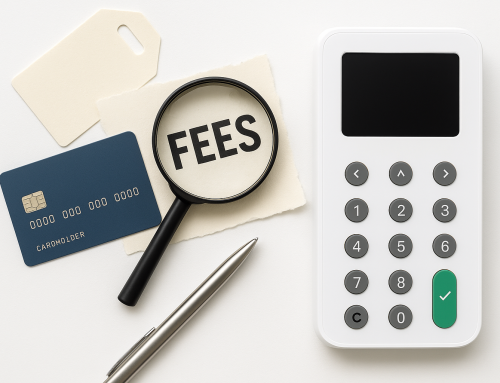
Common Payment Processing Fees
Most businesses pay fees to accept electronic payments. Understanding these costs is important when choosing a provider or setting pricing strategies.
Interchange fees
These are fees paid to the customer’s bank for processing a card transaction. They are usually set by the card networks and vary by card type and transaction method.
Assessment fees
Assessment fees are charged by card networks for using their network to process the payment.
Processor markup
The payment processor may add its own fee on top of interchange and assessment costs. This can come in the form of a flat fee, percentage fee, or monthly service charge.
Chargeback fees
If a customer disputes a transaction, the business may incur a chargeback fee in addition to losing the original sale amount if the dispute is not resolved in its favor.
How to Choose the Right Payment Processor
Choosing a payment processor is an important decision. The best option depends on transaction volume, sales channels, budget, and the customer experience you want to create.
Look at pricing
Compare transaction fees, monthly costs, setup charges, and any hidden fees. A provider with low headline rates may still be expensive once all costs are included.
Check supported payment methods
Make sure the processor supports the payment types your customers prefer, including cards, wallets, ACH, and recurring payments if needed.
Review security features
Look for PCI compliance support, encryption, tokenization, and fraud monitoring tools. Strong security helps protect customer data and reduce losses.
Consider integration options
The processor should integrate with your website, POS system, accounting software, and other business tools. Easy integration can save time and reduce technical issues.
Evaluate customer support
If a payment issue occurs, responsive support can make a major difference. Choose a provider with reliable assistance and clear documentation.
Best Practices for Safer, Smoother Payments
Businesses can improve payment performance by following a few practical best practices.
- Use secure, PCI-compliant payment solutions.
- Offer multiple payment methods to match customer preferences.
- Keep checkout forms simple and mobile-friendly.
- Monitor failed transactions and chargebacks regularly.
- Use fraud prevention tools without making checkout too difficult.
Conclusion
Payment processing is the foundation of modern commerce. It connects customers, banks, and businesses in a secure system that makes everyday transactions possible. By understanding how it works and choosing the right provider, businesses can improve customer satisfaction, reduce risk, and keep cash flow moving smoothly.