
Introduction
Accepting credit cards is no longer optional for most small businesses—it’s a customer expectation. Whether you run a retail shop, restaurant, salon, or service-based business, credit card processing can help you get paid faster, increase sales, and create a smoother buying experience. But for many owners, the process behind the swipe, tap, or online checkout can feel confusing.
This guide breaks down credit card processing for small business owners in simple terms. You’ll learn how it works, what fees to expect, how to choose the right provider, and how to keep transactions secure and efficient.
What Is Credit Card Processing?
Credit card processing is the system that allows businesses to accept payments made with credit and debit cards. When a customer pays, the transaction moves through several steps before the money lands in your business bank account.
At a basic level, the process includes:
- Cardholder: The customer making the purchase.
- Merchant: Your business.
- Payment gateway or terminal: The tool used to submit the payment.
- Processor: The company that handles the transaction.
- Card network: Visa, Mastercard, American Express, or Discover.
- Issuing bank: The customer’s bank.
- Acquiring bank: Your business bank that receives the funds.
Once the customer enters their card details, the processor sends the request to the card network and issuing bank for approval. If approved, the funds are later settled into your merchant account or business bank account.
How Credit Card Processing Works
Although the transaction happens in seconds, several steps take place behind the scenes.
1. Authorization
The customer presents a card in person, enters details online, or taps a mobile wallet. The processor checks whether the card is valid and whether sufficient funds or credit are available.
2. Approval or Decline
The issuing bank either approves or declines the transaction based on available funds, fraud checks, and card status.
3. Batching
Approved transactions are grouped together in batches, usually at the end of the business day.
4. Settlement
The processor sends the batch to the card networks and banks, and the funds are transferred to your business account. This often takes one to three business days, depending on the provider.
Types of Credit Card Processing Solutions
Small businesses can choose from several processing options depending on how and where they sell.
In-Person Processing
This is ideal for retail stores, restaurants, and service businesses. Customers pay using a countertop terminal, card reader, or point-of-sale system. Modern terminals often support chip cards, contactless payments, and mobile wallets like Apple Pay and Google Pay.
Online Processing
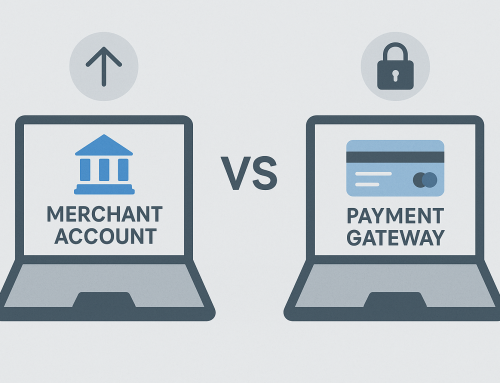
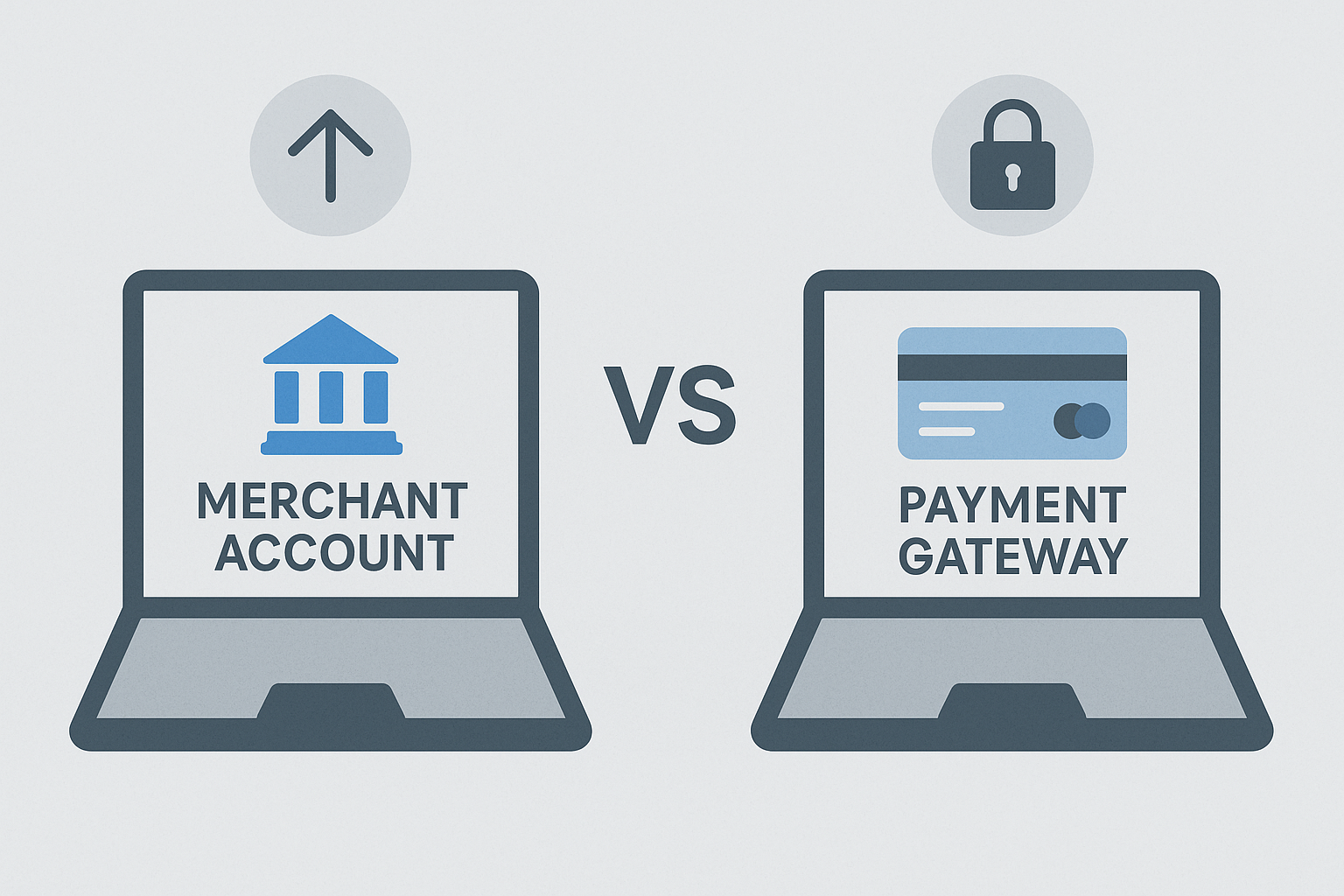
Online businesses need a payment gateway and merchant account or an all-in-one eCommerce solution. Customers enter card details at checkout, and the processor verifies the payment in real time.
Mobile Processing
Mobile processing works well for businesses on the go, such as contractors, delivery services, farmers market vendors, and pop-up shops. A smartphone or tablet paired with a card reader can accept payments almost anywhere.
Virtual Terminal Processing
A virtual terminal lets you manually key in card details through a secure web browser. This is useful for phone orders, invoices, and remote payments.
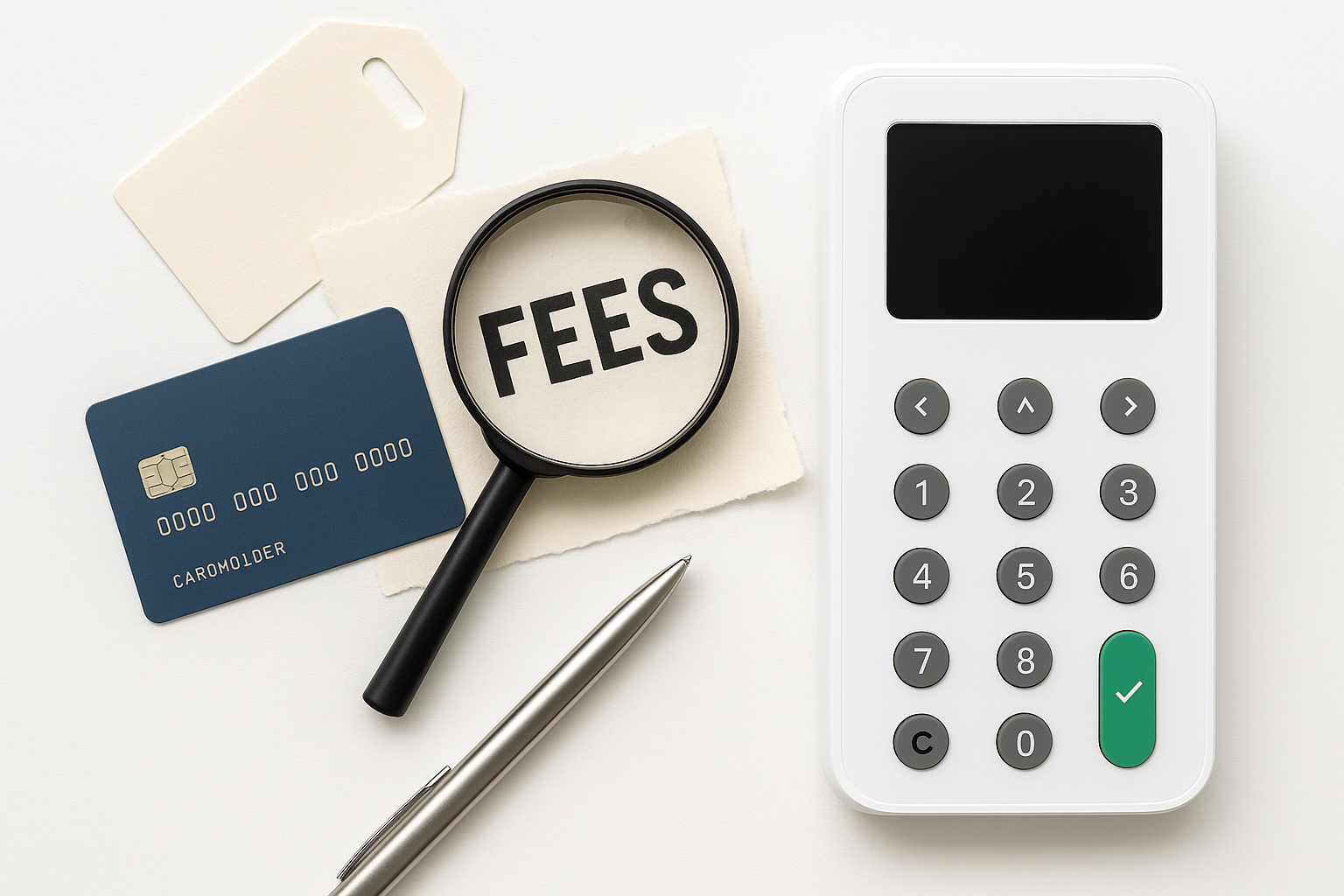
Understanding Credit Card Processing Fees
Fees are one of the biggest concerns for small business owners. Knowing what you’re paying for can help you choose the right pricing model and avoid surprises.
Interchange Fees
These fees are charged by the card-issuing bank and are usually the largest part of processing costs. They vary based on card type, transaction method, and industry.
Assessment Fees
Card networks charge these small fees for using their payment infrastructure.
Processor Markup
This is the portion the payment processor adds for its services, support, and technology.
Common Pricing Models
- Flat-rate pricing: One set rate per transaction. Simple and predictable.
- Interchange-plus pricing: Interchange fees plus a fixed markup. Often more transparent.
- Tiered pricing: Transactions are grouped into categories, which can make costs harder to predict.
In addition to transaction fees, you may also see monthly fees, chargeback fees, PCI compliance fees, gateway fees, or equipment rental costs. Always review the contract carefully before signing.
How to Choose the Right Credit Card Processor
The best processor for your business depends on your sales volume, industry, budget, and how you accept payments. Here are key factors to consider.
Compare Pricing and Contracts
Look beyond the advertised rate. Ask about monthly minimums, cancellation fees, early termination fees, and hidden charges. A low transaction rate may not be the cheapest option overall.
Look for Industry-Specific Features
Restaurants may need split checks and tipping tools. Retailers may want inventory tracking. Service businesses may benefit from invoicing and recurring billing. Choose a processor that fits how you actually operate.
Check Hardware and Software Compatibility
Make sure the payment system works with your POS software, website platform, or accounting tools. Seamless integration can save time and reduce manual data entry.
Evaluate Customer Support
When payment issues happen, fast support matters. Look for 24/7 help, live chat, phone support, and a reputation for resolving problems quickly.
Prioritize Security and Compliance
Your processor should help you stay compliant with PCI DSS standards and include fraud protection tools such as encryption, tokenization, and address verification.
Benefits of Accepting Credit Cards for Small Business
Offering card payments can have a direct impact on revenue and customer satisfaction.
- Increased sales: Customers tend to spend more when they can pay by card.
- Faster payments: You receive money sooner than waiting on checks.
- Better customer experience: Easy payment options make checkout smooth and convenient.
- Improved cash flow: Predictable deposits help with planning and expenses.
- More flexibility: You can accept payments in-store, online, or on the go.
For many small businesses, the ability to accept cards also makes them look more professional and trustworthy.
Tips to Reduce Processing Costs
Credit card processing is a necessary expense, but there are ways to keep it under control.
Use the Right Pricing Model
If your business processes a high volume of transactions, interchange-plus pricing may be more cost-effective than flat-rate pricing. If you value simplicity and have lower volume, flat-rate pricing may be easier to manage.
Encourage Card Present Transactions
Card-present transactions are generally less risky and may cost less than keyed-in or online payments.
Minimize Chargebacks
Use clear billing descriptors, strong customer service, and prompt refunds when needed to reduce disputes.
Review Statements Regularly
Check monthly statements for unexpected fees, rate changes, or duplicate charges. Staying proactive helps you catch problems early.
Negotiate When Possible
If your business has steady volume, ask your provider whether rates can be reduced. A good relationship and consistent processing history can create room for better terms.
Security and PCI Compliance
Protecting customer payment data is essential. A breach can damage your reputation and lead to costly fines. That’s why payment security should be a top priority when choosing a processor.
PCI DSS compliance is a set of security standards designed to protect cardholder information. Your processor should offer tools that reduce your risk, including:
- Encryption for card data
- Tokenization to replace sensitive information with secure placeholders
- Fraud monitoring and alerts
- Secure payment gateways for online transactions
Even with a secure processor, your business should follow best practices such as using updated software, limiting access to payment systems, and training employees on security procedures.
Final Thoughts
Credit card processing for small business owners does not have to be complicated. Once you understand the basics, you can choose a solution that fits your sales model, keeps costs manageable, and gives customers the convenience they expect. The right processor should make it easier to get paid, not harder.
Take time to compare providers, read the fine print, and think about the needs of your business today and as it grows. A smart payment setup can support better cash flow, stronger customer relationships, and long-term success.