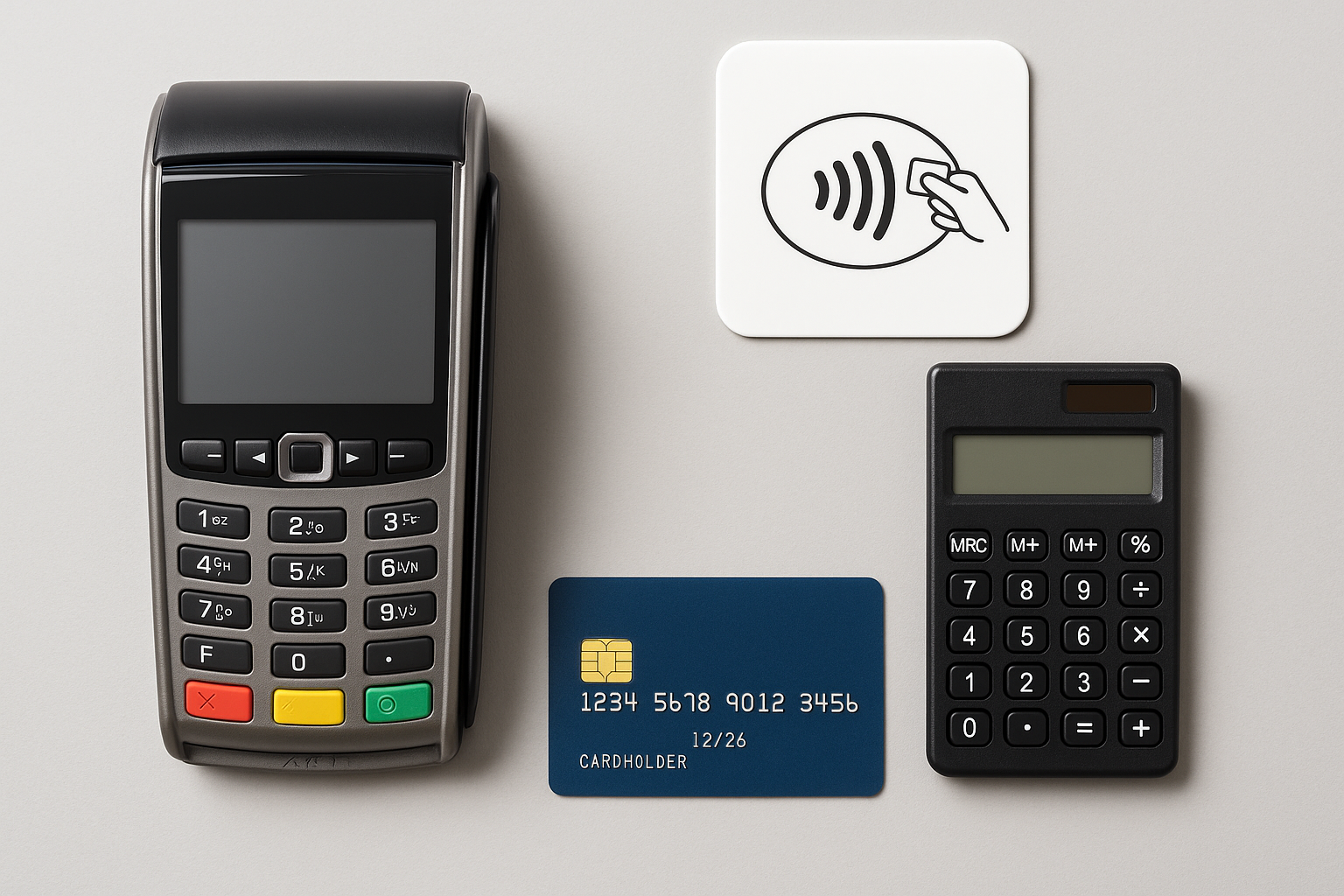
What Are Merchant Services?
Merchant services are the tools and systems businesses use to accept and process payments from customers. In simple terms, they make it possible for a business to take credit cards, debit cards, and digital payments both online and in person. Whether you run a retail shop, a restaurant, a service business, or an eCommerce store, merchant services are essential for getting paid quickly and securely.
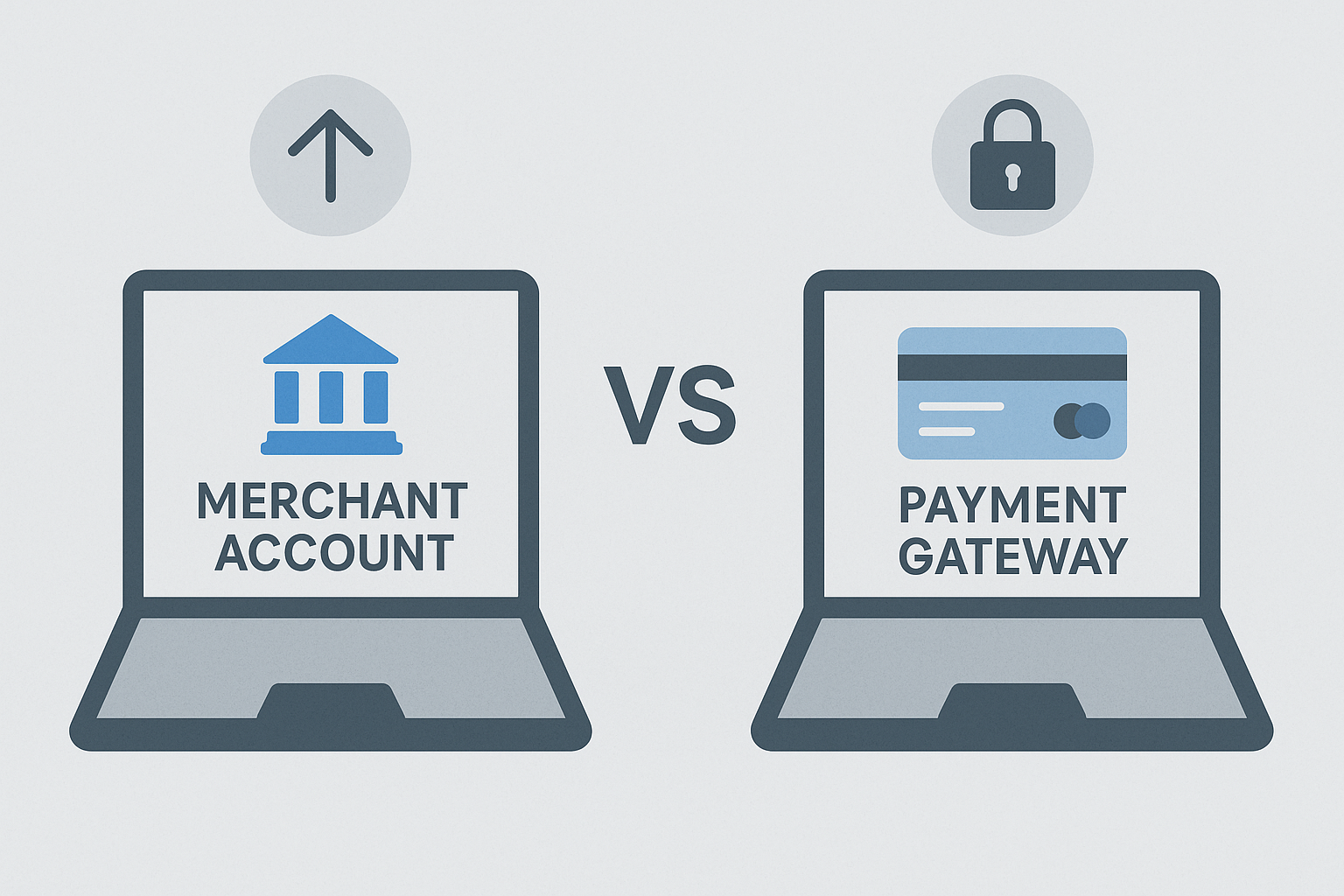
These services typically include payment processing, point-of-sale (POS) systems, payment gateways, virtual terminals, fraud protection, and business accounts that help move money from your customer’s bank to yours. Because modern customers expect fast and convenient payment options, merchant services have become a core part of everyday business operations.
How Merchant Services Work
When a customer pays with a card, several steps happen in just a few seconds. First, the payment information is captured through a card reader, website checkout, mobile device, or virtual terminal. Next, the merchant services provider sends the transaction details to the payment network and the customer’s bank for authorization. If the payment is approved, the funds are eventually settled into the business’s merchant account or linked business bank account.
This process involves multiple parties, including the customer, the merchant, the payment processor, the card network, and the issuing bank. A good merchant services provider keeps the process smooth, secure, and reliable while helping businesses minimize disruptions and payment failures.
Types of Merchant Services
Credit and Debit Card Processing
This is the most common merchant service. It allows businesses to accept major card brands such as Visa, Mastercard, American Express, and Discover. Card processing can happen at the counter, at the table, over the phone, or online.
Payment Gateways
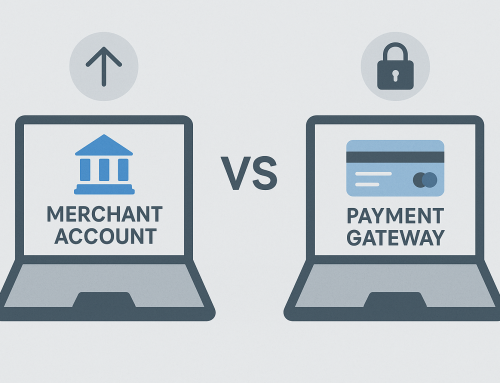
A payment gateway is the secure technology that connects your website or online store to the payment processor. It encrypts customer data and helps authorize online payments safely. For eCommerce businesses, a reliable gateway is essential.
Point-of-Sale Systems
POS systems combine hardware and software to manage sales in physical locations. Beyond accepting payments, many systems also track inventory, manage employees, generate reports, and support customer loyalty programs. They are especially useful for retail stores, restaurants, and appointment-based businesses.
Mobile Payment Solutions
Mobile merchant services let businesses accept payments from a smartphone or tablet. These solutions are popular with contractors, delivery services, vendors, and small businesses that need flexibility on the go.
Virtual Terminals
A virtual terminal allows merchants to manually enter card information through a secure web interface. This is helpful for phone orders, mail orders, and back-office billing.
Fraud Prevention and Security Tools
Security features such as tokenization, encryption, address verification, and fraud monitoring help protect businesses and customers from unauthorized transactions and data breaches. Strong security is a must-have in any merchant services setup.
Why Merchant Services Matter for Businesses
Merchant services do more than simply process payments. They help businesses create a better customer experience, increase sales, and operate more efficiently. Customers are far more likely to complete a purchase when they can pay using their preferred method. Offering multiple payment options can reduce cart abandonment, speed up checkout, and improve satisfaction.
Merchant services also help businesses manage cash flow by enabling faster access to funds. Instead of waiting for checks to clear, businesses can process payments electronically and plan finances more accurately. Many providers also offer reporting tools that make it easier to track revenue, spot trends, and make better business decisions.
Key Features to Look for in a Merchant Services Provider
Not all merchant services providers are the same. Choosing the right one can have a major impact on your costs, efficiency, and customer experience. Here are some of the most important features to consider.
Transparent Pricing
Look for a provider that clearly explains its fees. Common charges may include transaction fees, monthly service fees, statement fees, chargeback fees, and equipment costs. Transparent pricing helps you avoid surprises and compare providers more accurately.
Fast Funding
Some providers deposit funds into your account within one business day, while others take longer. Faster funding can be a big advantage for businesses that need steady cash flow.
Multiple Payment Options
Your provider should support the payment methods your customers use most, including chip cards, contactless payments, mobile wallets, recurring billing, and online payments.
Strong Security
Since payment data is sensitive, security should be a top priority. Choose a provider that follows PCI compliance standards and offers fraud prevention tools to reduce risk.
Reliable Customer Support
Payment issues can interrupt sales quickly, so dependable support matters. Ideally, your provider should offer knowledgeable customer service by phone, chat, or email when you need help.
Scalability
As your business grows, your merchant services should grow with it. Look for a provider that can handle higher transaction volumes, additional locations, online sales, and new payment technologies.
Common Merchant Services Fees and Terms
Understanding fees is one of the most important parts of choosing a provider. Many businesses focus only on the advertised rate, but the full cost may include several other charges.
Interchange-plus pricing, flat-rate pricing, and tiered pricing are the most common pricing models. Interchange-plus is often considered the most transparent because it separates the actual card network costs from the provider’s markup. Flat-rate pricing is simpler and often appealing to small businesses. Tiered pricing can be harder to understand because transactions are grouped into categories with different rates.
Other terms to review include contract length, early termination fees, chargeback policies, equipment leasing agreements, and minimum monthly requirements. Reading the fine print can help you avoid costly mistakes and choose a plan that truly fits your business.
Merchant Services for Online and In-Person Businesses
Different business models need different payment solutions. A brick-and-mortar store may prioritize countertop card readers, contactless checkout, and POS software. An online business may need a secure checkout page, payment gateway, subscription billing, and shopping cart integration. Service-based businesses often benefit from mobile payment apps, invoicing tools, and virtual terminals.
The best merchant services provider understands these differences and offers flexible solutions that match how your business sells. If you operate both online and in person, an omnichannel payment system can unify your transactions, inventory, and reporting in one place.
How to Choose the Right Merchant Services Provider
Start by identifying your business needs. Consider where you sell, how often you take payments, your average transaction size, and whether you need hardware, software, or both. Then compare providers based on fees, features, support, and contract terms.
It is also smart to ask for a full quote instead of relying on marketing rates alone. Make sure you understand how pricing works for different card types, online transactions, and keyed-in payments. If possible, request a demo of the software or equipment before signing up.
Finally, look for a provider with a strong reputation and experience serving businesses like yours. A merchant services partner should be more than a payment processor. They should be a reliable part of your operations, helping you save time, reduce payment friction, and support business growth.
Conclusion
Merchant services are a vital part of doing business in today’s payment-driven world. From card processing and POS systems to fraud protection and online checkout tools, the right setup can make it easier to get paid and keep customers happy. By understanding the basics, comparing providers carefully, and focusing on long-term value, you can choose merchant services that support your business now and as it grows.