
What Is Credit Card Processing?
Credit card processing is the system that allows businesses to accept payments from customers using credit cards. When a customer pays with a card, several parties work together behind the scenes to approve the transaction, move the money, and deposit funds into the business bank account.
For many businesses, credit card payments are essential. They make checkout faster, reduce friction for customers, and can help increase sales both online and in person. Understanding how the process works can help you choose the right payment setup and avoid unnecessary fees or problems.
How Credit Card Processing Works
Although a card payment looks simple at the point of sale, it involves a series of steps that happen in seconds.
1. The Customer Makes a Purchase
The process begins when a customer swipes, inserts, taps, or enters their card information online. The payment details are captured through a card reader, point-of-sale system, or payment gateway.
2. The Payment Information Is Sent for Authorization
Next, the payment processor sends the transaction details to the card network, such as Visa or Mastercard, which routes the request to the customer’s issuing bank. The bank checks whether the card is valid and whether enough funds or credit is available.
3. The Transaction Is Approved or Declined
If everything checks out, the issuing bank approves the charge. If there is a problem, such as insufficient funds, a security concern, or an expired card, the transaction is declined. The result is sent back through the network to the merchant almost immediately.
4. Funds Are Settled and Deposited
After authorization, the payment is batched for settlement. During this stage, the money moves from the customer’s bank to the merchant account, minus any processing fees. Most businesses receive deposited funds within one to three business days, depending on their provider.
Key Players in the Payment Process
Several companies and institutions are involved in each card transaction. Knowing their roles can make it easier to understand your statements and fees.
Cardholder
The cardholder is the customer using the credit card to make a payment.
Merchant
The merchant is the business accepting the payment for goods or services.
Payment Processor
The payment processor is the company that handles the technical transfer of transaction data and helps authorize payments.
Acquiring Bank
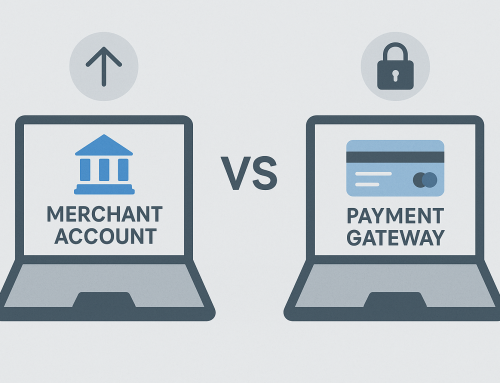
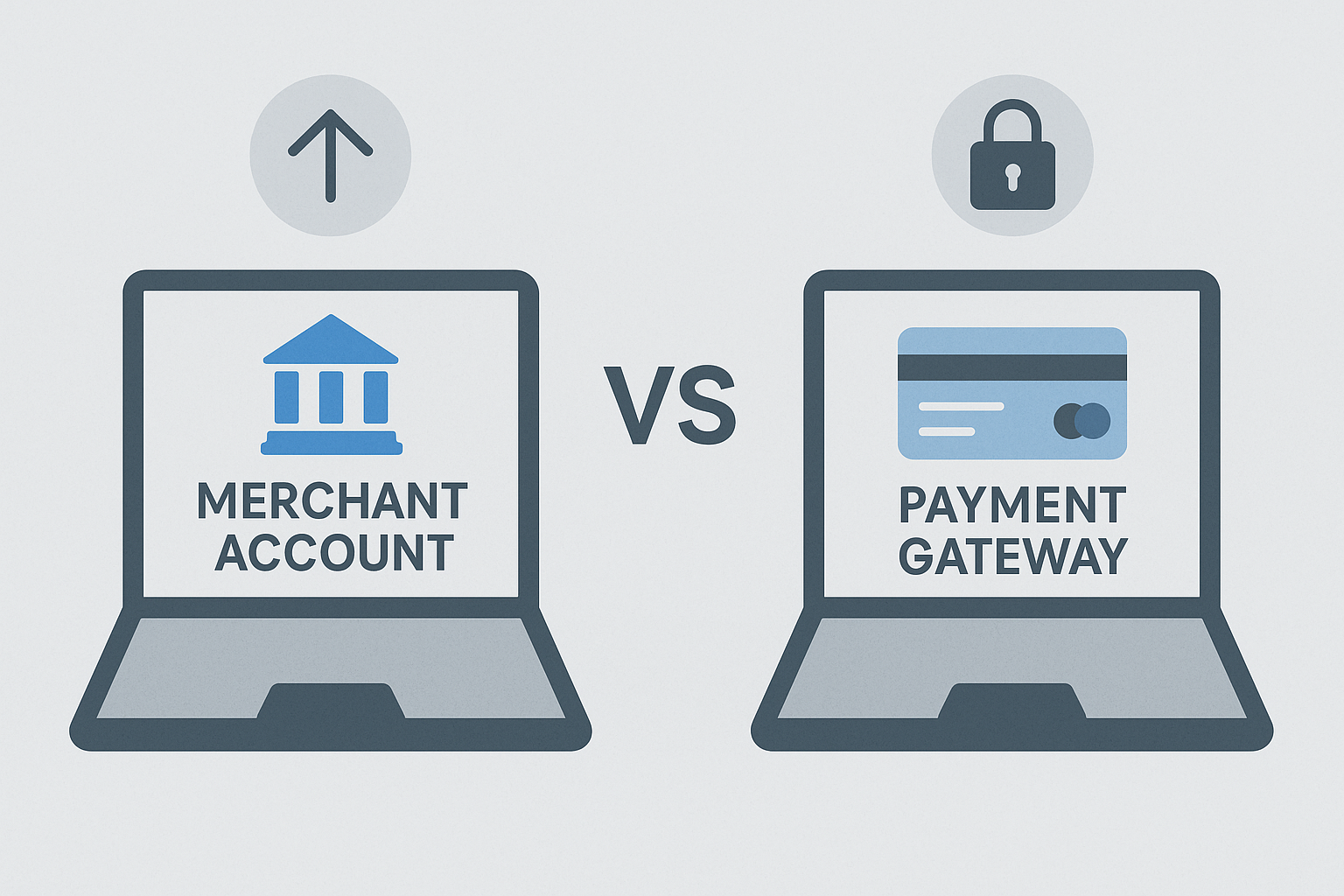
The acquiring bank, also called the merchant bank, is the financial institution that processes card payments for the merchant and deposits the funds.
Issuing Bank
The issuing bank is the customer’s bank or card issuer. It authorizes or declines the transaction and later transfers the funds.
Card Networks
Card networks like Visa, Mastercard, American Express, and Discover set the rules for moving payment information between banks and processors.
Types of Credit Card Processing
Different businesses need different payment solutions. The right option depends on where and how you sell.
In-Store Processing
In-store processing is used for physical locations. Customers pay using a card reader, terminal, or POS system. Many modern terminals support tap-to-pay and mobile wallets for added convenience.
Online Processing
Online processing allows merchants to accept payments through websites or mobile apps. This usually requires a payment gateway to securely transmit card data and complete the transaction.
Mobile Processing
Mobile processing is ideal for businesses on the go, such as contractors, delivery services, and event vendors. A smartphone or tablet paired with a card reader can process payments anywhere with internet access.
Recurring Billing
Recurring billing is used for subscription services, memberships, and installment payments. It automatically charges the customer on a regular schedule, making billing more efficient and predictable.
Common Credit Card Processing Fees
One of the most important parts of choosing a processor is understanding fees. These costs can affect your bottom line, especially if you process a high volume of transactions.
Transaction Fees
Transaction fees are charged each time a payment is processed. They may be a percentage of the sale, a flat fee, or a combination of both.
Monthly Fees
Some providers charge a monthly account fee for access to their platform, reporting tools, or customer support.
Chargeback Fees
If a customer disputes a charge and the bank reverses the payment, the merchant may be charged a chargeback fee. Too many chargebacks can also lead to higher risk or account termination.
Equipment and Setup Costs
Businesses may need to pay for card readers, terminals, POS systems, or installation costs. Some providers offer hardware at a discount or as part of a package.
How to Choose the Right Credit Card Processor
The best processor for your business depends on your sales model, budget, and growth plans. A thoughtful comparison can save money and improve the customer experience.
Compare Pricing Models
Look closely at flat-rate, interchange-plus, and subscription pricing. The lowest advertised rate is not always the best deal once all fees are included.
Check Security Features
Choose a processor that offers encryption, tokenization, fraud monitoring, and PCI compliance support. These tools help protect customer data and reduce the risk of fraud.
Consider Integration Options
If you use accounting software, an online store, or a POS system, make sure the processor integrates smoothly with your existing tools. Good integration saves time and reduces errors.
Review Customer Support
Reliable support is essential if a payment issue interrupts business operations. Look for responsive service, clear documentation, and helpful onboarding.
Think About Scalability
Your processor should be able to grow with your business. If you expect higher sales volume, multiple locations, or international payments, make sure your provider can support those needs.
Security and Compliance in Credit Card Processing
Security is a major part of credit card processing. Businesses are responsible for handling customer payment information carefully and following industry standards.
PCI DSS, or Payment Card Industry Data Security Standard, is a set of requirements designed to protect cardholder data. Businesses that accept credit cards must follow these rules to reduce the risk of data breaches and fraud.
Other important protections include end-to-end encryption, point-to-point encryption, and tokenization. These tools help prevent sensitive information from being exposed during a transaction.
It is also wise to use fraud detection tools, require strong passwords for admin access, and keep payment software updated. A strong security strategy protects both your customers and your reputation.
Conclusion
Credit card processing is a vital part of doing business in today’s market. When you understand how it works, what it costs, and how to choose the right provider, you can create a smoother checkout experience and manage payments with confidence. A reliable processing setup not only supports sales but also helps build trust with your customers.