What Is a Merchant Service Provider?
A merchant service provider is a company that helps businesses accept and process electronic payments, including credit cards, debit cards, and digital wallets. In simple terms, it gives you the tools and services needed to take payments securely and reliably, whether you sell in a physical store, online, or both.
When a customer pays with a card, there are several steps behind the scenes: the payment must be authorized, approved, and transferred to your business bank account. A merchant service provider connects all the parts of that process. It typically offers payment processing, merchant accounts, payment gateways, point-of-sale solutions, fraud protection, and reporting tools.
How Merchant Service Providers Work
Although customers experience card payments as instant, the process involves multiple parties. A merchant service provider acts as the bridge between your business, the customer’s card network, and the financial institutions that move the money.
Here is the basic flow:
- A customer initiates payment using a card or digital wallet.
- The payment details are securely transmitted through the provider’s system.
- The issuing bank verifies whether the customer has sufficient funds or credit.
- The transaction is approved or declined.
- If approved, the merchant service provider helps settle the funds into your account.
This process must happen quickly and securely, which is why choosing a dependable provider matters so much.
Core Services Offered by a Merchant Service Provider
Payment Processing
The most important service is payment processing. This includes taking card payments in person, online, and over the phone. A good provider supports multiple payment methods so your business can serve customers in the way they prefer.
Merchant Accounts
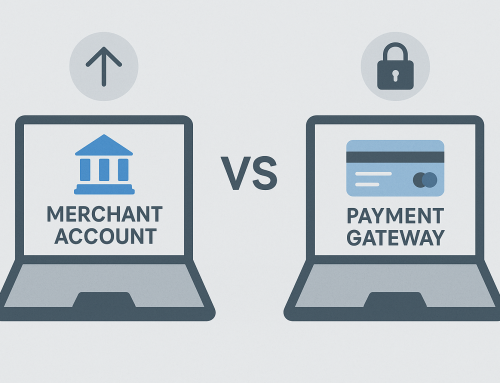
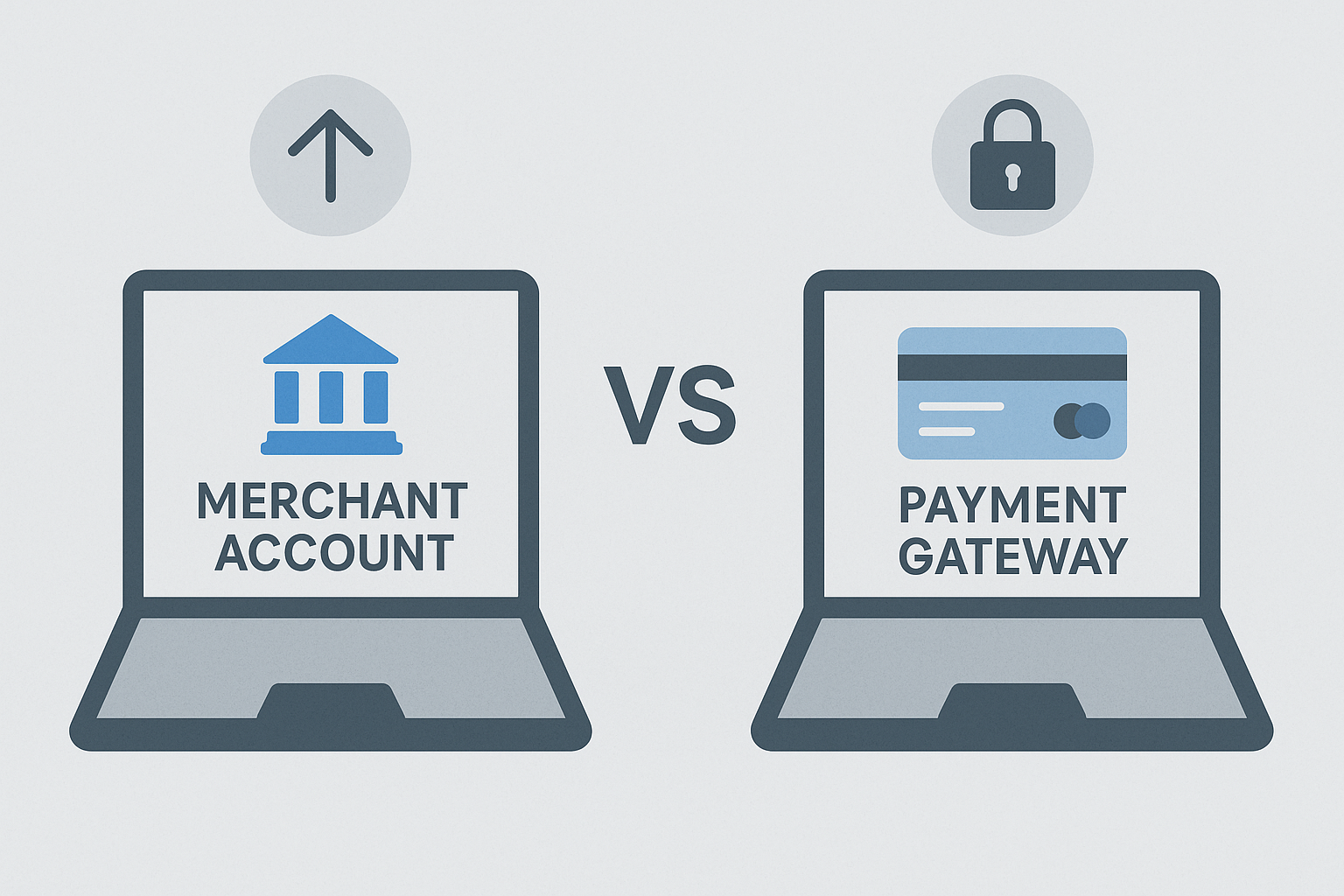
Many merchant service providers help businesses open a merchant account, which is a special account used to temporarily hold card payments before they are transferred to your bank account. Depending on the provider, this may be included in the service or offered through a third-party partner.
Payment Gateways
For online businesses, a payment gateway is essential. It securely captures payment information on your website and sends it to the processor. A reliable gateway helps protect sensitive data and supports a smooth checkout experience.
Point-of-Sale Systems
Many providers also offer POS systems for retail shops, restaurants, and service businesses. These systems can include card readers, receipt printers, inventory tracking, tipping features, and customer management tools.
Fraud Prevention and Security
Payment security is a top priority. Merchant service providers often include tools such as encryption, tokenization, address verification, and fraud monitoring. These features help reduce chargebacks and protect customer data.
Reporting and Analytics
Detailed reporting helps you understand sales trends, monitor transaction volume, and spot issues early. Many providers offer dashboards that show daily sales, payment methods, refunds, and chargebacks.
Why Your Business Needs a Merchant Service Provider
If you want to accept modern forms of payment, you need a merchant service provider. Customers expect the convenience of paying by card, and businesses that cannot accept these methods may lose sales.
Beyond convenience, a provider helps your business operate more efficiently. Automated processing reduces manual work, speeds up checkout, and improves cash flow by making funds available faster than traditional paper payments.
It also builds trust. Secure payment systems make customers feel confident sharing payment information, which can improve conversion rates and repeat business.
Types of Businesses That Benefit Most
Merchant service providers are useful for nearly every industry, but some businesses depend on them especially heavily:
- Retail stores that need fast in-person checkout
- Restaurants and cafés that rely on table-side or counter payments
- Ecommerce stores that need secure online checkout
- Service businesses such as salons, repair shops, and consultants
- Subscription-based businesses that handle recurring billing
Even small businesses can benefit from the flexibility, professionalism, and payment security these services provide.
How to Choose the Right Merchant Service Provider
Not all providers are the same. The right choice depends on your business model, sales volume, and payment needs. When comparing options, pay attention to the following factors:
Pricing and Fees
Look closely at transaction fees, monthly fees, setup fees, chargeback fees, and equipment costs. Some providers advertise low rates but include hidden charges, so review the full pricing structure before signing up.
Contract Terms
Some merchant service providers require long-term contracts with cancellation penalties, while others offer month-to-month service. Flexible terms can be especially helpful for startups and seasonal businesses.
Integration Options
Your payment system should work smoothly with your website, accounting software, shopping cart, and POS system. Strong integrations save time and reduce errors.
Security Features
Make sure the provider follows current security standards such as PCI compliance and offers tools to protect both your business and your customers.
Customer Support
Payment problems can happen at any time, so responsive customer support is critical. Choose a provider with reliable support channels and a reputation for solving issues quickly.
Common Challenges to Watch For
While merchant service providers offer many benefits, businesses should be aware of a few common challenges. First, fees can add up quickly if pricing is not clear. Second, some providers may hold funds longer than expected, which can affect cash flow. Third, chargebacks and fraud attempts can create losses if security tools are weak.
To reduce these risks, read the fine print, monitor your transactions, and choose a provider that offers transparent service and strong protection features.
The Future of Merchant Services
Merchant services continue to evolve as payment technology changes. Contactless payments, mobile wallets, online subscriptions, and embedded checkout experiences are becoming more common. Businesses now expect providers to support faster, more flexible, and more secure payment options.
In the future, merchant service providers will likely offer even deeper integrations with accounting, customer loyalty, inventory, and fraud management tools. For business owners, this means payment processing will become even more streamlined and data-driven.
Conclusion
A merchant service provider is more than just a payment processor. It is a key partner that helps your business accept payments securely, manage transactions efficiently, and create a smooth checkout experience for customers. By choosing the right provider, you can improve cash flow, build trust, and support long-term growth.