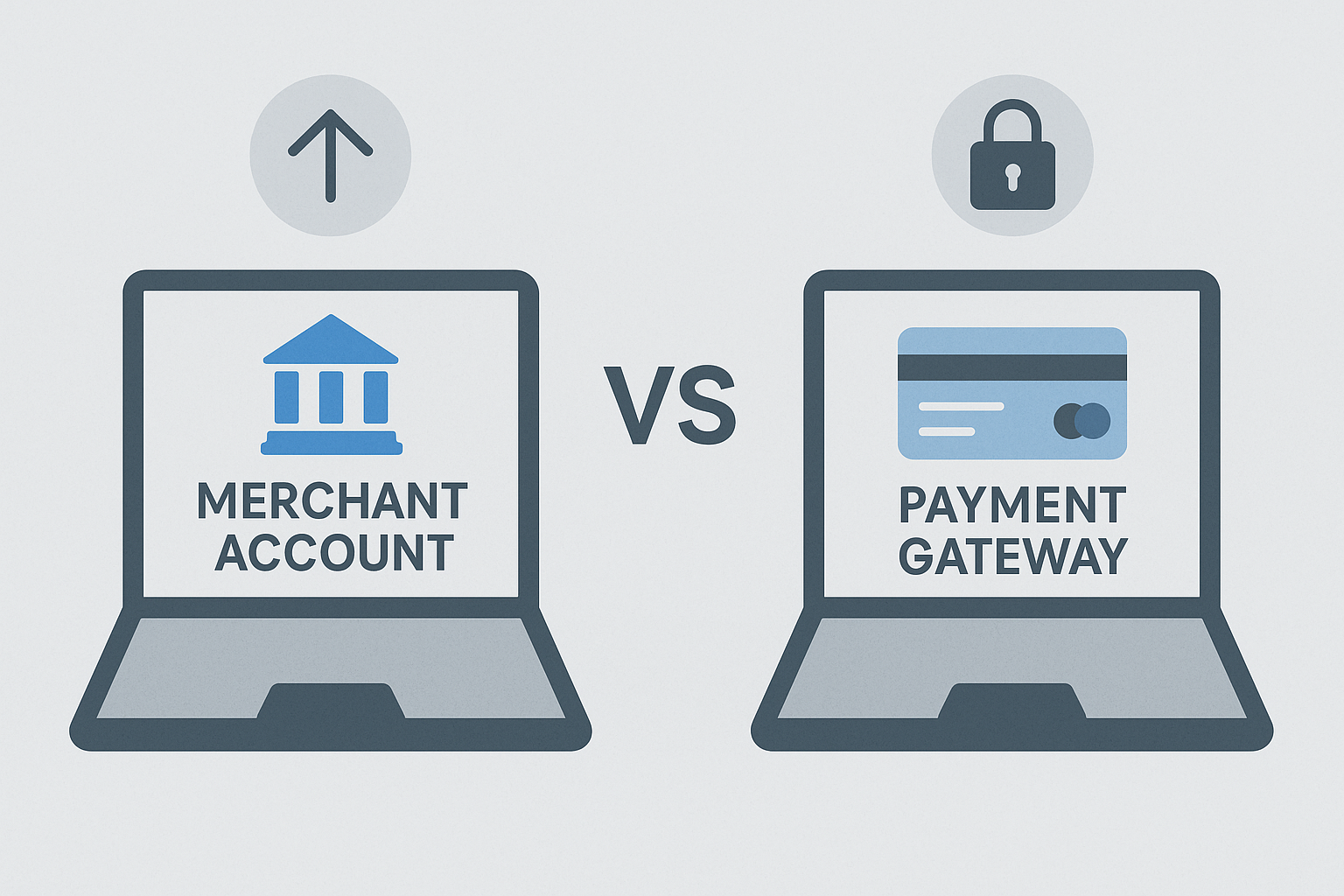
If you accept payments online or in person, you’ve likely come across two important terms: merchant account and payment gateway. They’re often mentioned together, which can make it easy to assume they mean the same thing. In reality, they play different roles in the payment process—and understanding the difference can help you choose the right setup for your business.
In this guide, we’ll break down merchant account vs payment gateway in simple terms, explain how each works, and show you when you need one, the other, or both.
What Is a Merchant Account?
A merchant account is a special type of bank account that allows a business to accept card payments. When a customer pays with a credit or debit card, the funds don’t go straight into your business checking account. Instead, they first pass through the merchant account, where the transaction is approved, settled, and then transferred to your bank account.
Think of it as a holding area for card payments. The merchant account helps manage the flow of money between the customer’s bank, the card networks, and your business.
How a Merchant Account Works
Here’s the basic process:
- A customer submits a card payment.
- The transaction is authorized by the cardholder’s bank.
- The approved funds are deposited into the merchant account.
- The merchant account transfers the money to your business bank account, usually within one to three business days.
Merchant accounts are commonly offered by banks, merchant service providers, and payment processors. In many cases, the provider also handles other payment tools, but the merchant account itself is the financial account that receives the card funds.
What Is a Payment Gateway?
A payment gateway is the technology that securely sends payment information from your website, checkout page, or point-of-sale system to the payment processor or merchant account. In other words, it acts like the digital bridge between your customer and the businesses involved in approving the transaction.
If a merchant account is the holding area, the payment gateway is the messenger.
How a Payment Gateway Works
When a customer enters their payment details online, the gateway:
- Encrypts the payment information
- Transmits the data securely
- Routes the transaction for authorization
- Returns an approval or decline message to the checkout page
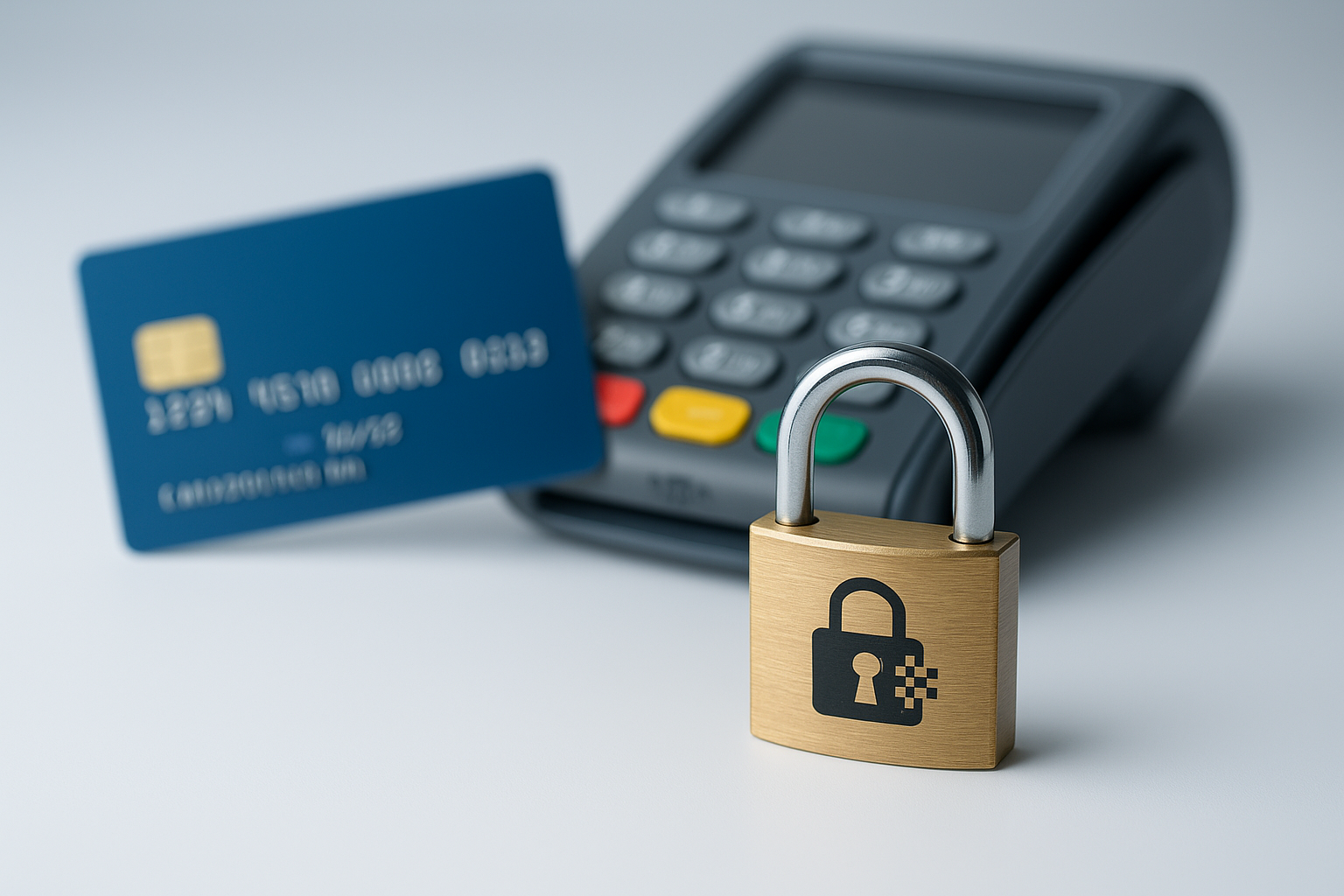
Without a payment gateway, online card payments would not be possible. It ensures sensitive payment data is protected and transferred safely during checkout.
Merchant Account vs Payment Gateway: Key Differences
Although they work together, merchant accounts and payment gateways serve very different purposes.
1. Function
A merchant account holds funds temporarily and helps process card payments. A payment gateway securely transmits payment data and authorizes transactions.
2. Role in the Payment Process
The merchant account handles the money side of the transaction, while the gateway handles the data side.
3. Where They’re Used
Merchant accounts are used for both online and in-person card payments. Payment gateways are especially important for online sales, though some point-of-sale systems use gateway-like technology as well.
4. Setup Requirements
Some businesses need to apply separately for a merchant account, while a payment gateway may be included in a merchant services package. In many modern payment solutions, the two are bundled together for convenience.
Do You Need Both?
In many cases, yes. If you want to accept credit or debit cards online, you usually need both a merchant account and a payment gateway. The gateway captures and sends the customer’s payment details, and the merchant account receives the approved funds.
For brick-and-mortar businesses, the answer depends on the payment setup. If you use a traditional card terminal, your processor may bundle the gateway function behind the scenes. If you sell online, a gateway is almost always required.
When You May Need Both
- You run an eCommerce store
- You accept card payments on a website or app
- You offer recurring billing or subscriptions
- You need secure, encrypted online transactions
When a Bundled Solution May Be Better
Many small businesses prefer a bundled payment solution because it simplifies setup and support. Instead of working with separate providers, you get merchant account functionality and payment gateway services from one source.
How to Choose the Right Option for Your Business
The best choice depends on how you sell, how often you process payments, and what level of control you want over your payment system.
Consider Your Sales Channel
If you only accept payments in person, your needs may be simpler than a business that processes online orders, invoices, and subscriptions. Online businesses usually need a gateway, while in-person businesses may rely on integrated POS solutions.
Compare Fees
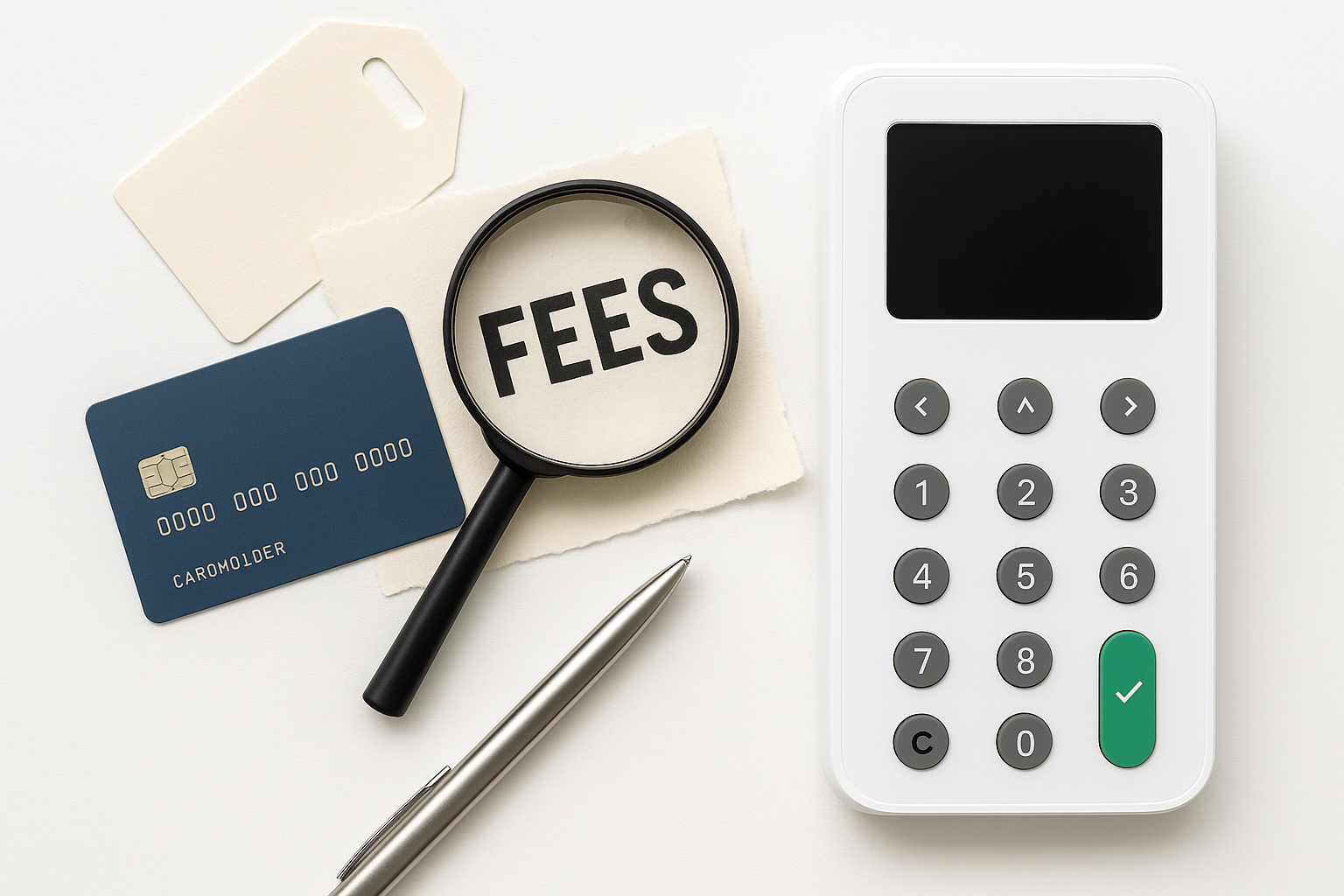
Merchant accounts and payment gateways may each come with setup fees, monthly fees, transaction fees, or chargeback fees. It’s important to compare total cost, not just the headline price.
Look at Security and Compliance
Choose a provider that supports PCI compliance, fraud prevention, and encryption. Security is especially important if you process payments online or store customer data.
Check Integration Options
Make sure the solution works with your website platform, shopping cart, accounting tools, and CRM. A payment system that integrates smoothly can save time and reduce errors.
Common Misconceptions
One common mistake is assuming a payment gateway and a merchant account are the same thing. They are not. Another misconception is that every business needs to set them up separately. In reality, many providers offer combined services that simplify the process.
It’s also worth noting that some companies market “all-in-one” payment solutions. While these are convenient, it’s still helpful to understand what each part does so you can evaluate pricing, features, and flexibility more effectively.
Final Thoughts
When comparing merchant account vs payment gateway, the key thing to remember is this: the merchant account handles the money, and the payment gateway handles the communication. Most online businesses need both to process card payments securely and efficiently.
By understanding how these tools work together, you can make smarter choices about your payment setup, reduce confusion, and choose a provider that fits your business needs.
Conclusion: Whether you’re launching a new online store or upgrading your current checkout system, knowing the difference between a merchant account and a payment gateway helps you build a smoother, safer payment experience for your customers.