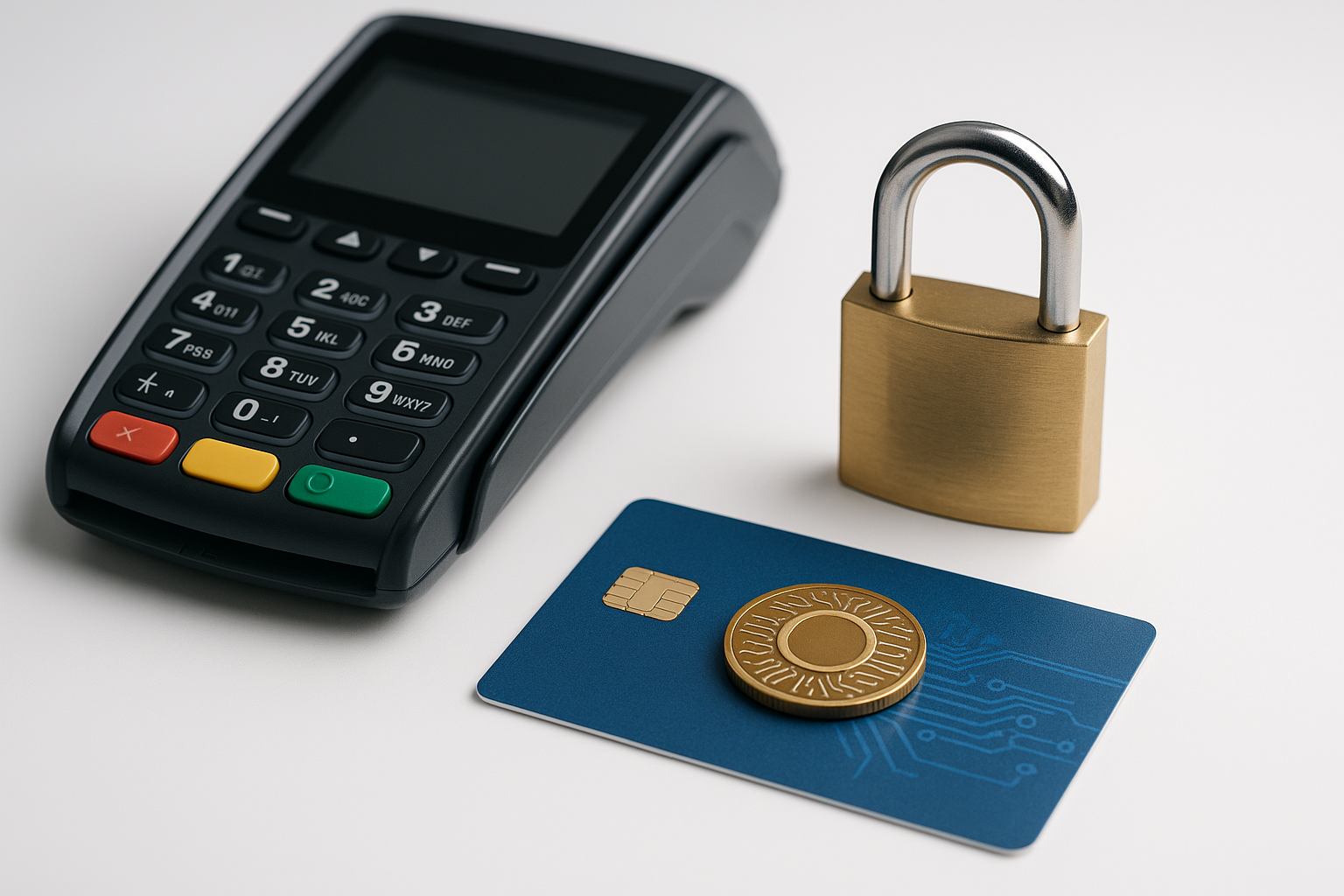
Tokenization in Payments
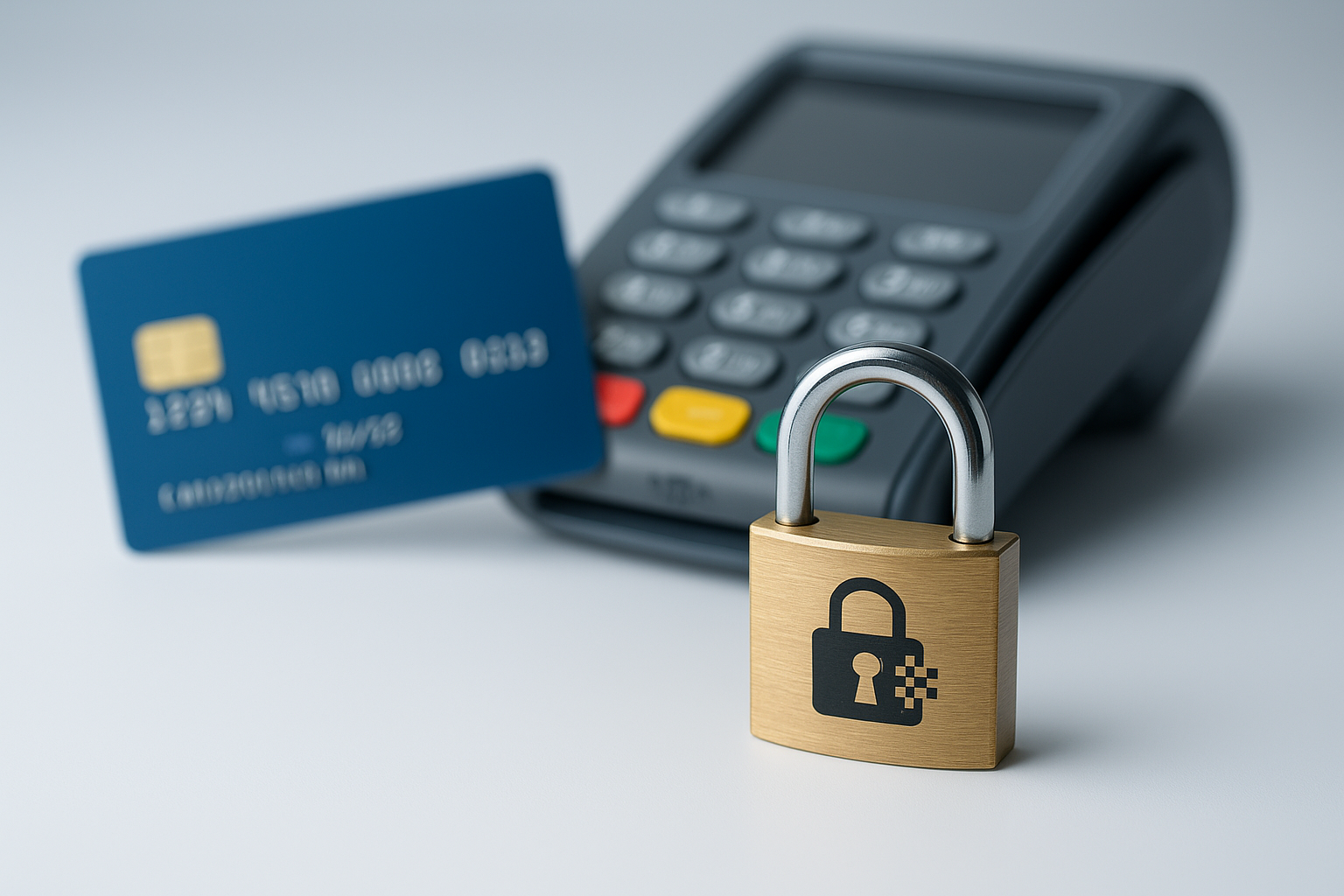
Tokenization in payments is one of the most important security technologies in modern commerce. It helps protect sensitive payment data by replacing it with a unique identifier, or “token,” that has no meaningful value if intercepted. This approach reduces the risk of fraud, supports compliance efforts, and improves the overall checkout experience for customers.
As digital payments continue to grow across e-commerce, mobile apps, in-store contactless purchases, and recurring billing, businesses need ways to protect cardholder data without slowing down transactions. Tokenization offers a practical solution by keeping real payment details out of many parts of the payment ecosystem.
What Is Tokenization?
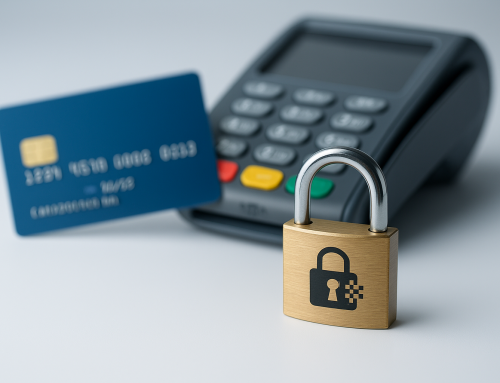
Tokenization is the process of substituting sensitive data with a non-sensitive replacement called a token. In payments, this usually means replacing a primary account number, or PAN, with a randomly generated string of characters. That token can be stored, transmitted, and used in place of the original card number, while the actual card data remains securely stored in a token vault or with a payment processor.
The key idea is simple: if a token is stolen, it is useless outside the specific system that created it. Unlike a card number, it cannot be used on its own to make unauthorized purchases.
How Tokenization Works
When a customer enters payment details, the sensitive information is sent to a tokenization system or payment service provider. The system validates the data and then generates a token to represent it. From that point on, the business can use the token for future transactions, subscriptions, refunds, or customer profile management, depending on the use case.
Because the token has no mathematical relationship to the original card number, it cannot be reverse-engineered. Only the secure token vault or issuing system can map the token back to the original data when needed.
Why Tokenization Matters in Payments
Payment data is a valuable target for cybercriminals. Every time a business stores or transmits card information, it creates a potential point of exposure. Tokenization significantly reduces that exposure by limiting where sensitive data exists and who can access it.
For businesses, this means lower fraud risk, less security burden, and a stronger trust signal to customers. For customers, it means greater confidence that their payment information is being protected.
Improved Security
The biggest advantage of tokenization is security. If a database, app, or endpoint is compromised, attackers may only find tokens rather than usable card numbers. Since tokens are meaningless outside the payment environment that issued them, they dramatically reduce the chance of data being misused.
Tokenization is especially valuable for businesses that handle recurring payments, stored cards, or high transaction volumes. By reducing the number of systems that ever touch raw card data, companies shrink their attack surface.
Support for Compliance
Tokenization can also help businesses with compliance obligations, particularly around PCI DSS, the Payment Card Industry Data Security Standard. While tokenization does not eliminate compliance requirements entirely, it can reduce the scope of systems that must be assessed and protected under PCI rules.
That often translates into lower audit complexity, reduced costs, and less operational overhead. Businesses still need strong security controls, but tokenization can make compliance more manageable.
Better Customer Experience
Tokenization can improve the checkout experience by making it easier to save payment methods for future use. Customers can complete repeat purchases faster, subscribe to services more smoothly, and enjoy more seamless experiences across devices and channels.
It also supports mobile wallets, one-click checkout, and omnichannel shopping. In many cases, tokenization helps businesses offer convenience without compromising security.
Types of Payment Tokenization
Not all tokens serve the same purpose. Different tokenization models are used depending on the business need, device environment, and payment workflow.
Network Tokens
Network tokens are issued by card networks such as Visa or Mastercard. These tokens replace card numbers and are often used to improve authorization rates and payment lifecycle management. Because they are connected to the network, they can update automatically when a card is replaced or renewed, helping reduce failed transactions.
Merchant Tokens
Merchant tokens are created for use within a specific business or payment platform. A merchant can store a token that represents a customer’s payment method and use it for future purchases, subscriptions, or refunds. These tokens are usually only valid within that merchant’s system.
Device Tokens
Device tokens are linked to a specific device, such as a smartphone, smartwatch, or tablet. They are commonly used in mobile wallets and contactless payment environments. By tying payment credentials to a device, businesses can support secure in-person and digital transactions.
Tokenization vs Encryption
Tokenization and encryption are both used to protect sensitive data, but they work differently. Encryption transforms data into a coded form using a key, and the encrypted data can be decrypted if the key is available. Tokenization replaces data with a token that has no inherent value and no direct mathematical connection to the original data.
In practice, the two are often used together. Encryption may protect data in transit, while tokenization can protect data at rest or reduce the amount of sensitive information stored across systems. Together, they create a stronger defense strategy.
Common Use Cases for Tokenization
Tokenization is widely used across industries and payment workflows. Some of the most common use cases include:
- Recurring billing and subscription services
- Saved cards for repeat customers
- Mobile wallets and contactless payments
- Marketplace and platform payments
- Refunds and chargeback processing
- In-app purchases and digital commerce
In each case, tokenization helps businesses process payments efficiently while minimizing the amount of sensitive data they must store or handle directly.
Best Practices for Businesses
To get the most value from tokenization, businesses should implement it as part of a broader payment security strategy. That starts with choosing a trusted payment provider or tokenization service that follows industry standards and offers strong vault protection.
Businesses should also understand where tokens are stored, how they are used, and which systems can access them. Limiting access, monitoring activity, and combining tokenization with fraud detection tools can further improve security.
It is also important to maintain strong data governance. Tokenization reduces exposure, but it does not replace the need for secure authentication, endpoint protection, employee training, and regular security reviews.
Conclusion
Tokenization in payments is a powerful way to protect sensitive card data while keeping transactions fast and convenient. By replacing real payment details with secure tokens, businesses can reduce fraud risk, support compliance, and create smoother customer experiences. As payment methods continue to evolve, tokenization will remain a foundational part of secure digital commerce.