What Is B2B Payment Processing?
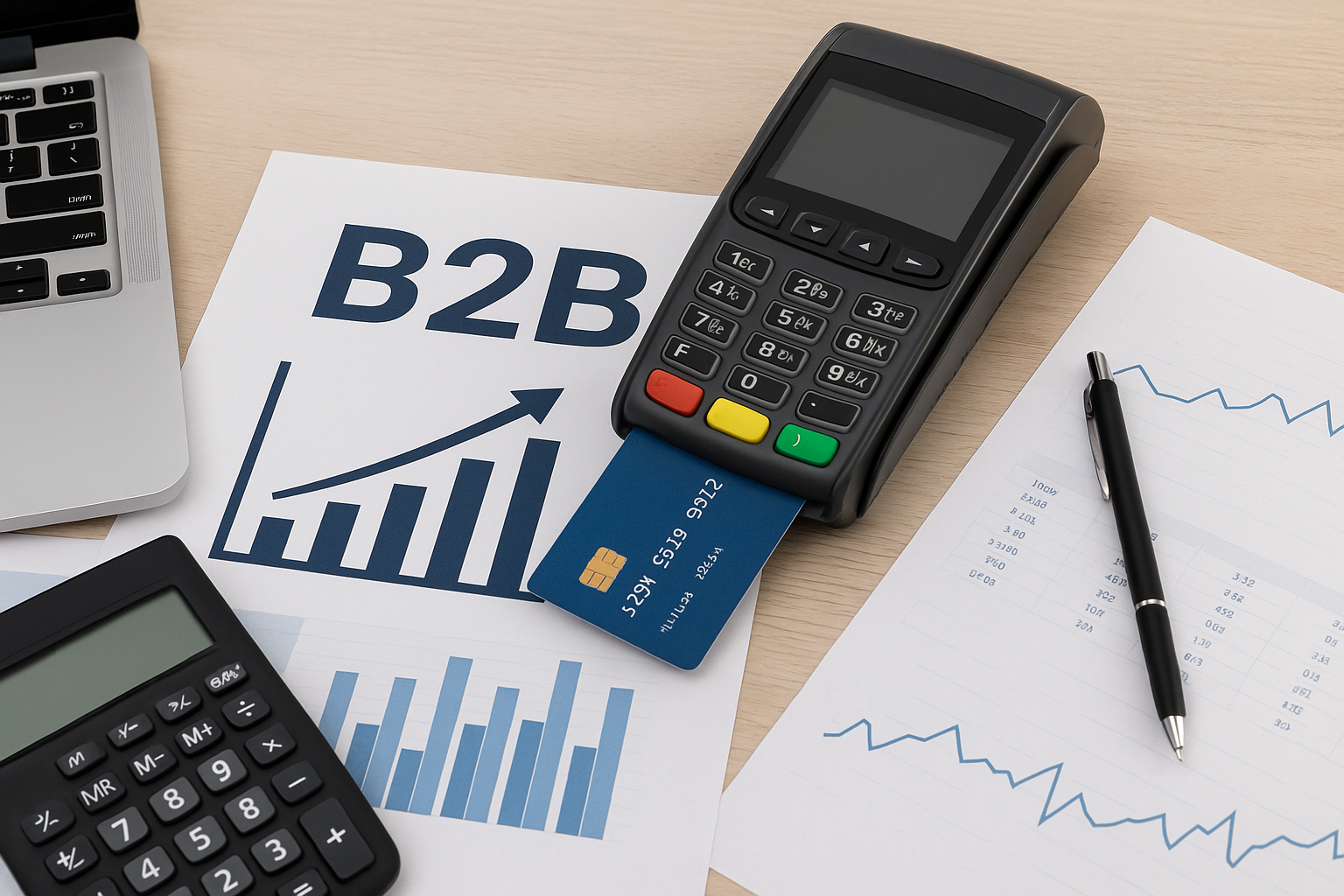
B2B payment processing refers to the systems, tools, and workflows businesses use to pay and get paid by other businesses. Unlike consumer payments, B2B transactions often involve larger invoice amounts, more complex approval steps, multiple payment methods, and stricter compliance requirements.
In a typical B2B workflow, a supplier sends an invoice, the buyer reviews and approves it, and payment is made through a chosen method such as ACH, wire transfer, card, or virtual card. Because these transactions are often tied to procurement, accounting, and treasury operations, the process needs to be accurate, secure, and efficient.
For growing companies, strong payment processing is more than a back-office function. It affects cash flow, supplier relationships, operating costs, and financial visibility. Businesses that modernize their payment processes can reduce delays, improve reconciliation, and create a better experience for both sides of the transaction.
Why B2B Payment Processing Matters
B2B payments have a direct impact on how smoothly a company operates. When payments are slow or manual, teams spend more time tracking invoices, resolving errors, and communicating with vendors. That can strain relationships and lead to late fees, missed discounts, or disruptions in supply chains.
Efficient B2B payment processing helps businesses maintain predictable cash flow and control costs. It also improves financial reporting by making it easier to match payments with invoices and track outstanding obligations. For companies handling high payment volumes, automation can save significant time and reduce the risk of human error.
There is also a strategic benefit. Businesses that can pay suppliers quickly and reliably may gain negotiating power, take advantage of early-payment discounts, and strengthen long-term partnerships. In competitive markets, that reliability can become a real advantage.
Common B2B Payment Methods
B2B payments can be made through several channels, each with strengths and trade-offs. The right method often depends on payment amount, timing, geography, and internal controls.
ACH Transfers
Automated Clearing House, or ACH, is one of the most common payment methods for domestic B2B transactions in the United States. It is typically lower cost than cards or wires and works well for recurring payments such as subscriptions, supplier invoices, and payroll-related vendor payments.
The main downside is timing. ACH payments can take one to several business days to settle, so businesses that need speed may prefer another option.
Wire Transfers
Wire transfers are used when businesses need fast, secure movement of funds, often for large or time-sensitive payments. They are especially common in international transactions and high-value settlements.
Wires are generally more expensive than ACH and are harder to reverse, so they require careful review before sending.
Credit Cards and Commercial Cards
Some businesses pay vendors by card, especially when they want to extend float, earn rewards, or simplify payment management. Commercial cards can also support detailed spend controls and reporting.
Not every supplier accepts cards, and processing fees can make them less attractive for large invoices. Still, they can be valuable for travel, software, and approved operational expenses.
Virtual Cards
Virtual cards are digital card numbers created for a specific transaction, vendor, or time period. They offer strong security and detailed controls, which makes them appealing for accounts payable teams.
They can also help automate reconciliation because each virtual card payment can be tied to a specific invoice or approval workflow.
Checks
Although checks are less efficient than digital options, they are still used in many industries. Some businesses rely on checks because of existing processes, vendor preferences, or legacy systems.
However, checks tend to be slower, more labor-intensive, and more vulnerable to fraud or mailing delays. Many businesses are moving away from them as they digitize payment operations.
Challenges in B2B Payment Processing
Despite the variety of available tools, B2B payment processing comes with unique challenges. One of the biggest is complexity. Payments may need approvals from multiple departments, matching with purchase orders, and verification against contract terms before they can be sent.
Another challenge is fragmented systems. Many companies use separate platforms for invoicing, accounting, procurement, and banking. When these systems do not connect well, staff members spend extra time entering data manually and reconciling records.
Fraud and security risks are also major concerns. Business payments often involve larger amounts, so criminals target them through invoice fraud, account takeover, or phishing. Strong authentication and approval controls are essential.
Finally, international payments can introduce currency conversion issues, banking delays, and regulatory requirements. Businesses that operate across borders need processes that can handle compliance and visibility without creating bottlenecks.
How to Improve B2B Payment Processing
Improving B2B payment processing starts with reducing manual work. Automating invoice capture, approval routing, payment scheduling, and reconciliation can help teams move faster and make fewer mistakes. Even small improvements can create major savings over time.
It is also important to standardize payment methods and supplier onboarding. When vendors know what information is required and which payment options are supported, setup becomes easier and payment delays decrease. Clear communication about payment terms can prevent confusion and frustration.
Integration is another key factor. When payment systems connect with accounting, ERP, and procurement platforms, businesses gain a more complete view of cash flow and outstanding liabilities. That visibility supports better financial planning and fewer reconciliation headaches.
Security should be built into every step of the process. This includes role-based permissions, multi-factor authentication, payment verification, and approval thresholds for high-value transactions. Regular review of vendor records and banking details can help reduce fraud risk.
Finally, businesses should measure performance. Metrics such as payment cycle time, processing cost per transaction, exception rate, and early-payment discount capture can reveal where improvements are needed and where automation is paying off.
Choosing the Right B2B Payment Processing Solution
Choosing a payment solution requires balancing cost, speed, control, and scalability. A small business may prioritize simplicity and low fees, while a larger company may need advanced reporting, multi-entity support, and global payment capabilities.
Start by evaluating how your business pays vendors today. Identify pain points such as manual approvals, slow reconciliation, or limited visibility into payment status. Then compare solutions based on the payment methods they support, their integration capabilities, and their security features.
It is also wise to consider vendor adoption. A solution is only useful if suppliers are willing and able to use it. The best platforms make it easy for vendors to receive payments in their preferred format while still giving your business control and transparency.
Scalability matters too. As your company grows, your payment process should be able to handle more invoices, more vendors, and more complexity without requiring a full operational overhaul.
The Future of B2B Payment Processing
The future of B2B payments is increasingly digital, automated, and data-driven. Businesses are moving away from paper-heavy workflows toward real-time visibility, embedded approvals, and intelligent payment routing. This shift is helping companies improve working capital while giving finance teams more control.
We are also seeing greater use of virtual cards, instant payment rails, and AI-powered exception handling. These tools can shorten payment cycles and reduce the effort required to manage large volumes of invoices. As more systems integrate with one another, businesses will be able to make decisions faster and with better data.
At the same time, security and compliance will remain top priorities. As payment technology evolves, businesses will need to stay focused on governance, vendor verification, and fraud prevention.
Conclusion
B2B payment processing is a critical part of business operations that influences cash flow, efficiency, and supplier trust. By modernizing payment methods, automating manual tasks, and strengthening controls, businesses can create a faster, safer, and more scalable payment experience. The companies that invest in better payment processes today will be better positioned for growth tomorrow.