Introduction
Contactless payments have quickly become one of the most convenient ways to pay for goods and services. Whether you tap a card, use a smartphone, or pay with a smartwatch, the experience is fast, simple, and increasingly expected at checkout. For consumers, contactless payments mean less waiting and fewer touchpoints. For businesses, they can mean smoother transactions, better customer satisfaction, and improved checkout efficiency.
As more people adopt digital wallets and tap-to-pay cards, understanding how contactless payments work—and how to use them safely—has become more important than ever. In this post, we’ll explore the basics, benefits, security features, and future of contactless payments.
What Are Contactless Payments?
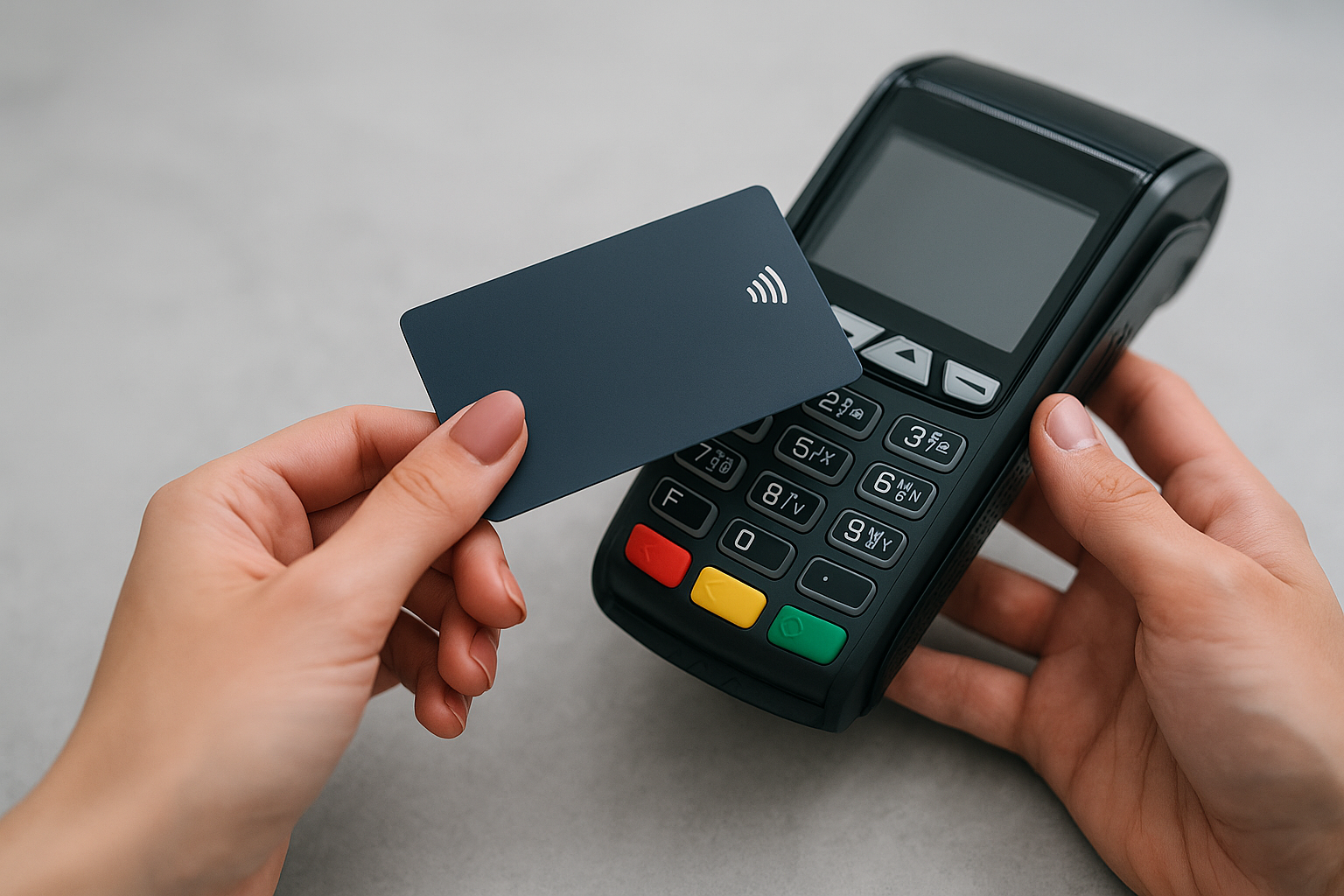
Contactless payments are transactions completed without physically inserting a card into a reader or handing over cash. Instead, payment information is transmitted wirelessly using technologies such as Near Field Communication (NFC) or, in some cases, radio frequency identification (RFID).
Common examples include:
- Tapping a debit or credit card on a payment terminal
- Using a mobile wallet like Apple Pay, Google Pay, or Samsung Wallet
- Paying with a smartwatch or other wearable device
The main idea is speed and convenience. With a simple tap or wave near a compatible reader, the payment is processed securely in seconds.
How Do Contactless Payments Work?
Contactless payments rely on short-range wireless communication between the payment device and the terminal. Most modern systems use NFC, which works only over very short distances—typically a few centimeters. This limited range helps reduce the risk of accidental or unauthorized transactions.
Here’s a simplified breakdown of the process:
- The customer taps a contactless card or device near the payment terminal.
- The terminal reads encrypted payment data from the device.
- The transaction is sent to the payment processor and bank for authorization.
- If approved, the payment is completed and the customer receives confirmation.
Many contactless payments also use tokenization, which replaces sensitive account details with a unique digital token. This adds an extra layer of security by ensuring the actual card number is not shared during the transaction.
Types of Contactless Payment Methods
Contactless Cards
Contactless debit and credit cards have a built-in chip and antenna that allow them to communicate with NFC-enabled readers. These cards usually display a wave-like symbol that indicates tap-to-pay capability.
Mobile Wallets
Mobile wallets store payment information on a smartphone or tablet. Popular options include Apple Pay, Google Pay, and Samsung Wallet. To pay, users authenticate with a fingerprint, facial recognition, PIN, or passcode before tapping their device at checkout.
Wearables
Smartwatches and fitness devices can also support contactless payments. These are especially useful for people who want to pay without carrying a wallet or phone.
Transit and Access Cards
Some public transportation systems and secure access systems use contactless technology for fare collection and entry control. While not always used for retail purchases, they operate on similar principles.
Benefits of Contactless Payments
Speed and Convenience
One of the biggest advantages of contactless payments is speed. Tapping a card or phone is often much faster than inserting a chip card or counting cash, which helps reduce lines and improve checkout efficiency.
Improved Customer Experience
Customers appreciate a smooth, low-friction checkout process. Contactless payments make everyday purchases easier, especially for small transactions like coffee, groceries, and transit fares.
Better Hygiene
Because they reduce physical contact with payment terminals, contactless payments can offer a more hygienic alternative to cash or card insertion. This became especially important during the COVID-19 pandemic and continues to influence consumer preferences today.
Enhanced Security
Contactless systems often include encryption, tokenization, and authentication steps that make them safer than carrying cash. Mobile wallets, in particular, require biometric or passcode verification before payment can be made.
Useful for Businesses
Businesses benefit from faster transaction times, fewer payment errors, and happier customers. Contactless options can also help merchants modernize their checkout systems and stay competitive in a digital-first market.
Are Contactless Payments Secure?
Yes—contactless payments are generally secure, and in many cases, they may be safer than traditional payment methods. Still, no payment system is completely risk-free, so it’s important to understand the protections involved.
Security features often include:
- Encryption: Payment data is encoded so it cannot be easily intercepted.
- Tokenization: Sensitive card details are replaced with a one-time token.
- Limited range: NFC works only at very short distances.
- Authentication: Mobile wallets usually require biometrics or a passcode.
To stay safe, users should keep their devices updated, use strong device security, and monitor statements for suspicious activity. For businesses, choosing compliant payment terminals and following industry security standards is essential.
Where Are Contactless Payments Accepted?
Contactless payments are now widely accepted in many parts of the world, especially in retail stores, restaurants, gas stations, transit systems, and entertainment venues. Acceptance continues to grow as more businesses upgrade their payment terminals.
In some regions, contactless adoption is nearly universal, while in others it is still expanding. If a terminal displays the contactless symbol, customers can usually tap a supported card or device to pay.
Common Challenges and Limitations
Despite their popularity, contactless payments do have a few limitations. Not every business accepts them yet, and some terminals may support only certain types of cards or mobile wallets. Users may also run into occasional issues such as low device battery, card reader errors, or transaction limits for tap payments.
Another concern is accessibility. Some customers may prefer cash or may not have access to smartphones or banking services. For this reason, a mix of payment options is still important.
The Future of Contactless Payments
The future of contactless payments looks strong. As consumers continue to embrace digital convenience, businesses are investing in faster and more flexible checkout experiences. We can expect to see more wearable payment options, wider merchant acceptance, and deeper integration with digital wallets and loyalty programs.
Innovation may also bring improvements in security, identity verification, and cross-platform compatibility. In many ways, contactless payments are becoming the standard rather than the exception.
Conclusion
Contactless payments have transformed the way people pay by making transactions faster, easier, and more secure. From tap-to-pay cards to mobile wallets and wearables, the technology behind contactless payments continues to evolve and gain popularity. Whether you’re a consumer looking for convenience or a business aiming to improve checkout efficiency, contactless payments are a practical solution that fits modern life.