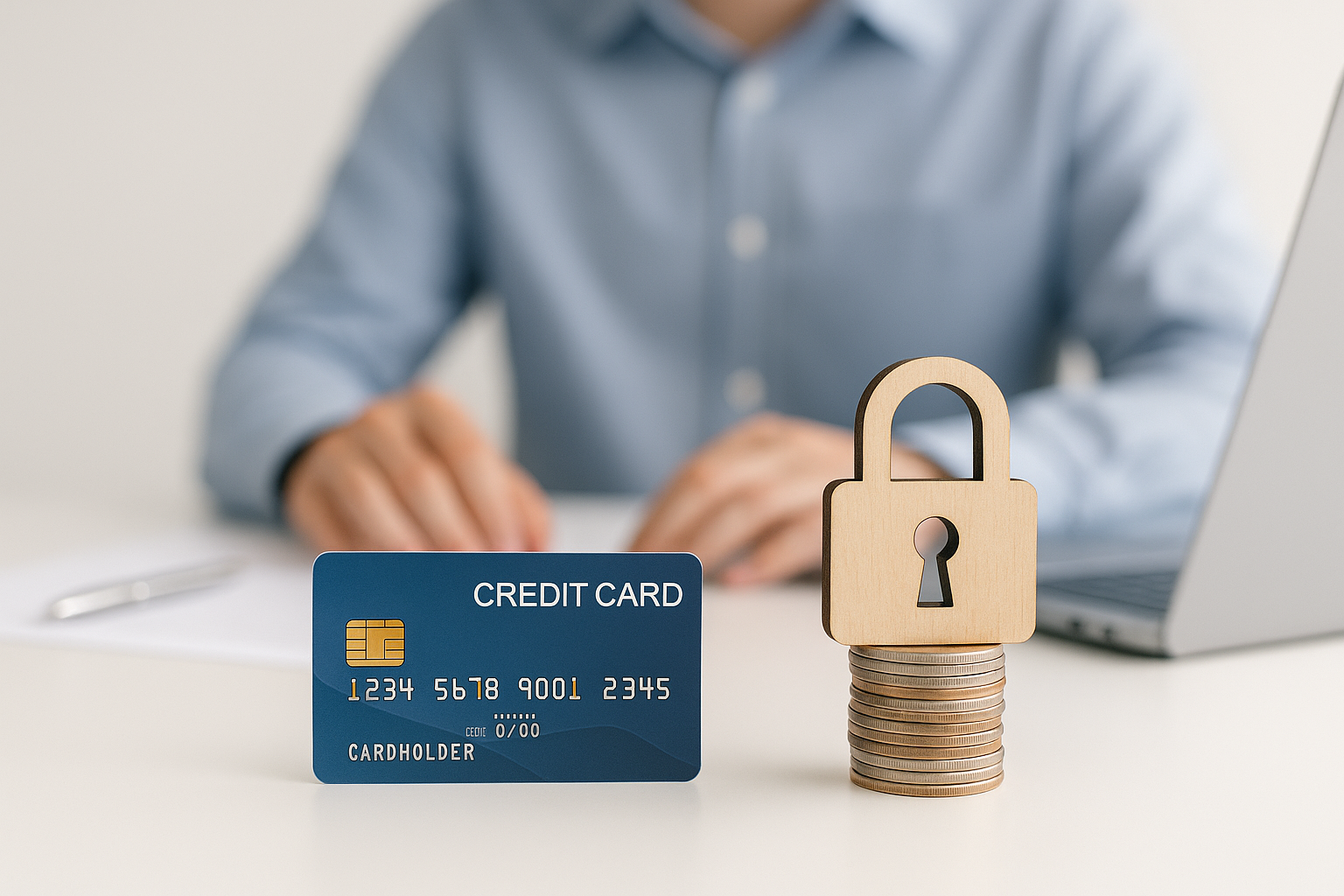
Chargebacks can be costly, frustrating, and disruptive for any business that accepts card payments. While some disputes are legitimate, many chargebacks are preventable with the right mix of payment practices, customer communication, and fraud controls. A strong chargeback prevention strategy helps protect revenue, lowers processing costs, and builds trust with customers.
In this guide, we’ll cover what chargebacks are, why they happen, and the most effective ways to prevent them before they hurt your business.
What Is a Chargeback?
A chargeback is a reversal of a card payment initiated by the customer’s bank or card issuer. Instead of contacting the merchant first, the cardholder disputes the transaction through their bank, which temporarily removes the funds from the merchant’s account while the case is reviewed.
Chargebacks were designed to protect consumers from fraud and billing errors. However, they can also be triggered by confusion, poor service, unclear product descriptions, or friendly fraud, where a customer disputes a valid charge.
Why Chargeback Prevention Matters
Even a small number of chargebacks can create significant problems. Beyond losing the sale itself, businesses may face dispute fees, higher processing costs, revenue loss, and operational headaches. Too many chargebacks can also damage your merchant reputation and, in severe cases, lead to account restrictions or termination.
Prevention matters because it is usually easier and less expensive to stop disputes before they happen than to fight them after the fact.
Common Causes of Chargebacks
Understanding why chargebacks occur is the first step toward preventing them. The most common causes include:
Fraudulent Transactions
Stolen card information or unauthorized purchases often lead to disputes once the real cardholder notices the charge.
Customer Confusion
Customers may not recognize your business name on their statement, misunderstand your refund policy, or forget they made the purchase.
Delivery or Fulfillment Issues
Late shipments, missing packages, damaged items, or items that do not match the description can prompt customers to dispute a charge.
Poor Communication
If customers cannot easily reach support or receive slow responses, they may go straight to their bank instead of resolving the issue with you.
Merchant Errors
Duplicate charges, incorrect amounts, subscription billing mistakes, and technical errors can all result in chargebacks.
Best Practices for Chargeback Prevention
A proactive approach to chargeback prevention should address the entire customer journey, from checkout to post-purchase support. The following strategies can make a meaningful difference.
Use Clear Billing Descriptors
Make sure the business name that appears on card statements is easy to recognize. If your legal company name differs from your brand name, consider adding a descriptor that customers will immediately identify. Clear billing descriptors reduce “I don’t recognize this charge” disputes.
Improve Product and Service Descriptions
Set accurate expectations on your website and in your sales materials. Include detailed descriptions, dimensions, images, pricing, delivery timelines, and any limitations. When customers know exactly what they are buying, they are less likely to feel misled.
Offer Strong Customer Support
Fast, accessible customer service is one of the best defenses against chargebacks. Provide multiple contact options such as email, phone, or live chat, and make sure response times are reasonable. Many disputes can be resolved quickly if customers know how to reach you.
Create a Transparent Refund and Return Policy
Your return policy should be easy to find and simple to understand. Explain how refunds work, how long returns take, and who pays for return shipping. When policies are clear before purchase, customers are less likely to dispute an issue later.
Use Fraud Detection Tools
Fraud prevention tools can help identify suspicious transactions before they are processed. Address verification, CVV checks, velocity filters, and device fingerprinting are all useful ways to flag higher-risk orders. For businesses with higher fraud exposure, additional screening may be necessary.
Require Customer Authentication When Appropriate
Strong customer authentication tools, such as 3D Secure, can help reduce unauthorized transactions. These tools add an extra verification layer at checkout and may shift liability in certain cases, depending on the payment setup and region.
Track Shipping and Delivery Carefully
For physical goods, shipping documentation is critical. Use tracking numbers, delivery confirmation, and signature requirements for higher-value items. If a customer says they never received an order, detailed delivery records can help prevent unnecessary disputes.
Send Order and Billing Confirmations
Confirmation emails and receipts help customers recognize the purchase and verify the transaction right away. Include the item description, total amount, billing descriptor, estimated delivery date, and customer support contact information.
Monitor Subscription Billing Closely
Recurring payments are a frequent source of chargebacks. Make renewal terms, trial expiration dates, and cancellation instructions clear from the start. Send reminders before billing customers for subscriptions or free trials so there are no surprises.
Train Your Team
Chargeback prevention should not be limited to the payments team. Train sales, support, fulfillment, and operations staff on how their actions can affect dispute risk. A well-informed team is better able to prevent errors and handle customer concerns early.
How to Reduce Friendly Fraud
Friendly fraud happens when a legitimate customer disputes a valid charge, often by mistake or to avoid payment. It is one of the hardest types of chargebacks to prevent because the transaction may appear normal.
To reduce friendly fraud, focus on transparency and documentation. Keep records of receipts, delivery confirmation, customer communication, cancellation requests, and proof of service. Make sure customers can easily identify your brand on statements and in emails. Clear policies and prompt support can also discourage unnecessary disputes.
Build a Chargeback Response Process
Even with strong prevention measures, some chargebacks will still happen. That is why every business should have a clear response process. Review disputes quickly, gather evidence, and respond within the card network deadlines.
Useful evidence may include transaction records, customer communications, shipping proof, IP logs, signed agreements, and refund policy acknowledgments. A structured process helps you identify patterns, reduce repeat issues, and improve your prevention strategy over time.
Measure and Improve Over Time
Chargeback prevention is not a one-time task. Track your chargeback rate, dispute reasons, and the products or channels that generate the most problems. Look for trends such as recurring billing disputes, shipping issues, or fraud spikes during specific seasons.
By reviewing these metrics regularly, you can adjust your fraud filters, improve support workflows, and refine your customer communication strategy. Over time, these changes can significantly lower dispute volume.
Conclusion
Chargeback prevention is about more than avoiding losses. It is about creating a smoother customer experience, reducing risk, and protecting the long-term health of your business. With clear policies, reliable support, smart fraud controls, and careful transaction management, you can prevent many disputes before they begin.
The businesses that handle chargebacks best are the ones that treat prevention as an ongoing part of operations, not just a reaction to a problem. Start with the basics, keep improving, and your payment environment will become much more secure and efficient.