What Are PCI DSS Requirements?
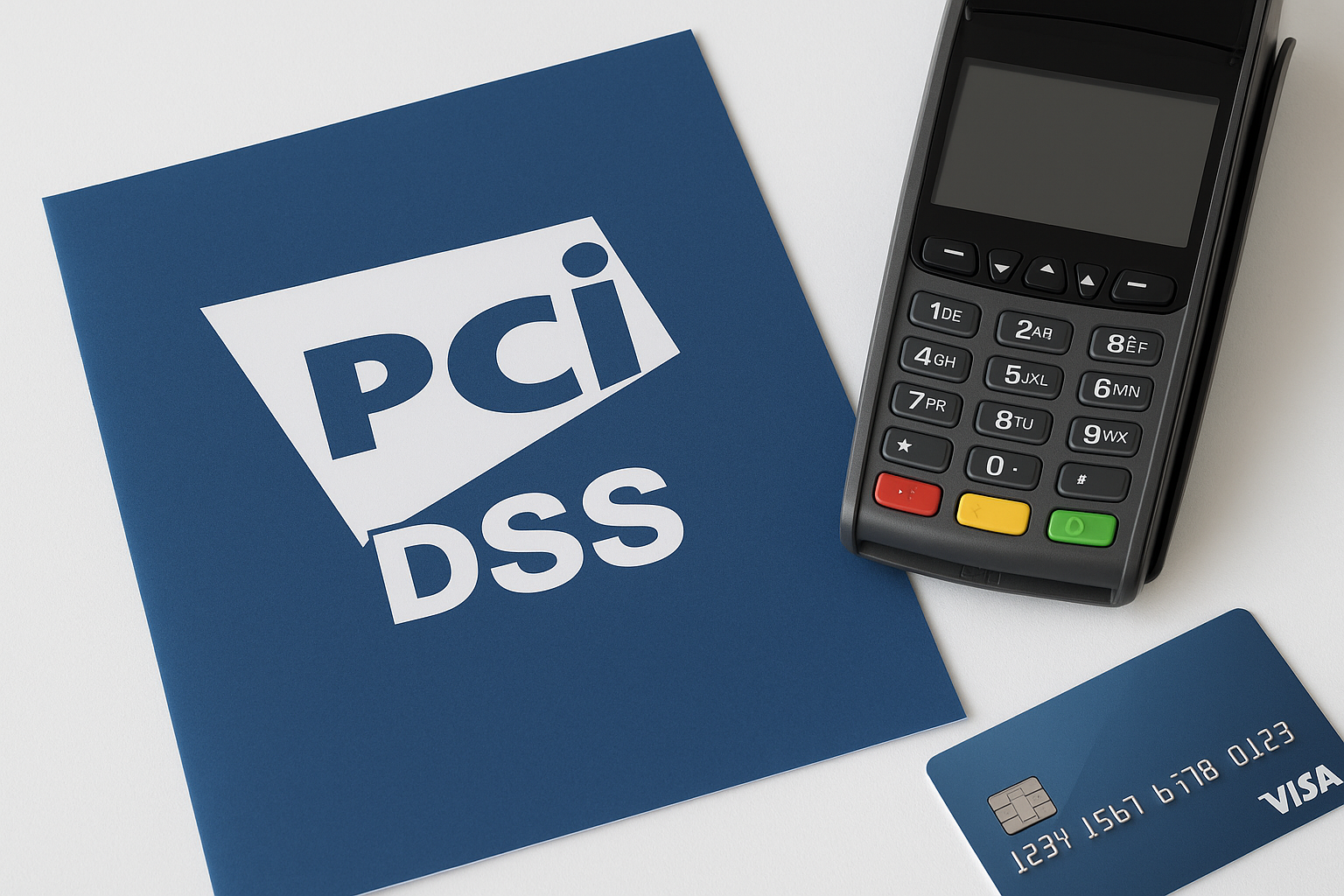
PCI DSS stands for the Payment Card Industry Data Security Standard. It is a set of security requirements designed to protect cardholder data and reduce the risk of payment card fraud. If your business stores, processes, or transmits card information, PCI DSS requirements help you build a safer environment for customer payments.
These requirements were created by major card brands to establish a consistent baseline for security. While PCI DSS is not a law in the traditional sense, many merchants and service providers must comply through their payment processors, acquiring banks, or contractual obligations. In practice, it has become an essential part of operating any business that accepts credit or debit cards.
PCI DSS is built around a simple goal: protect sensitive payment data at every point in the transaction lifecycle. That includes your website, point-of-sale systems, internal networks, employees, and vendors. The standard is updated periodically to keep up with evolving threats, making ongoing compliance just as important as the initial setup.
Why PCI DSS Compliance Matters
Compliance is about more than checking a box. A single data breach can lead to financial losses, chargebacks, reputational damage, and loss of the ability to process payments. For many businesses, the cost of remediation after an incident is far greater than the cost of maintaining strong security controls in the first place.
PCI DSS compliance also helps build customer trust. Shoppers are more likely to do business with companies that take security seriously, especially when entering payment details online. Strong compliance practices can also improve your overall cybersecurity posture by reducing weak passwords, unpatched systems, exposed card data, and insecure vendor access.
In addition, many organizations find that PCI DSS requirements encourage better internal processes. Documented policies, regular monitoring, access controls, and encryption practices create a more disciplined security environment across the business.
The 12 PCI DSS Requirements
PCI DSS is organized into 12 core requirements grouped into six broader security goals. These requirements apply differently depending on your business model and how much card data you handle, but the framework remains the same.
1. Build and Maintain a Secure Network and Systems
Businesses must install and maintain a firewall configuration to protect cardholder data. Firewalls help control traffic between trusted internal systems and less secure external networks. PCI DSS also requires organizations to avoid vendor-supplied defaults for passwords and security settings, since default credentials are a common attack vector.
2. Protect Account Data
Cardholder data should be protected wherever it is stored or transmitted. Encryption is a key part of this requirement, especially when data moves across public networks such as the internet. Organizations should also minimize stored cardholder data whenever possible. The less sensitive data you keep, the lower your risk if a breach occurs.
3. Maintain a Vulnerability Management Program
PCI DSS requires antivirus or anti-malware protections on systems commonly affected by malicious software. It also requires businesses to develop and maintain secure systems and applications. That means applying patches promptly, using secure coding practices, and managing vulnerabilities before attackers can exploit them.
4. Implement Strong Access Control Measures
Access to cardholder data should be limited to people who genuinely need it for their job duties. This is the principle of least privilege. PCI DSS also requires unique IDs for each person with computer access, so activity can be traced to specific users. Physical access to systems and paper records must also be restricted and controlled.
5. Regularly Monitor and Test Networks
Logging is essential for detecting suspicious activity and investigating incidents. PCI DSS requires organizations to track and monitor access to network resources and cardholder data. Businesses must also test security systems and processes regularly, including vulnerability scans and penetration testing where applicable. Monitoring and testing help identify problems before they become security events.
6. Maintain an Information Security Policy
PCI DSS requires a formal information security policy that guides employees and supports consistent compliance. Security is not just a technical issue; it is also an operational one. Staff need to understand acceptable use, access control, incident response, password practices, data handling procedures, and reporting responsibilities.
How PCI DSS Requirements Apply to Different Businesses
Not every organization must meet the same level of validation. PCI DSS includes different compliance levels based on transaction volume and risk profile. A small retailer processing a limited number of transactions may have simpler validation steps than a large e-commerce platform or payment service provider.
That said, the core requirements still matter for all businesses that touch payment data. Smaller companies often assume they are too small to be targeted, but attackers frequently go after businesses with weaker controls. Even basic protections like encrypted transmission, strong passwords, and regular patching can make a major difference.
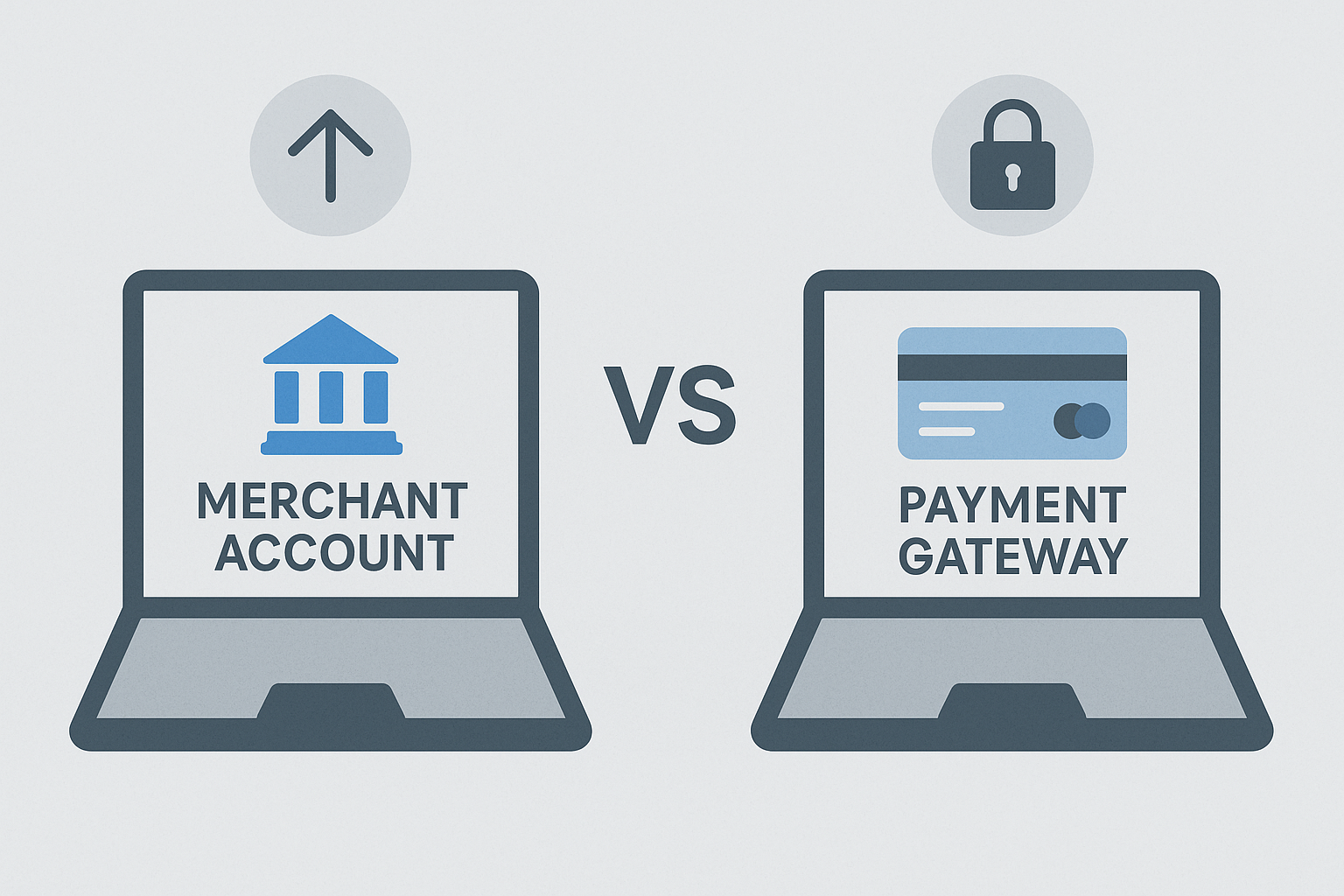
Businesses that use third-party payment gateways or hosted checkout tools may reduce the amount of card data they handle directly. This can simplify compliance, but it does not eliminate responsibility. You still need to secure your environment, protect customer data that passes through your systems, and manage vendors carefully.
Key Steps to Achieve PCI DSS Compliance
For many organizations, the first step is identifying where cardholder data exists. You cannot secure what you do not know you have. Map your data flows, systems, applications, and vendors to understand your cardholder data environment.
Next, reduce the scope wherever possible. Use tokenization, hosted payment pages, and trusted third-party payment processors to limit how much sensitive data enters your environment. Fewer systems in scope means fewer compliance burdens and less risk.
After that, implement technical and administrative controls. Common examples include:
- Encrypting cardholder data in transit and, where needed, at rest
- Using multi-factor authentication for administrative access
- Applying security patches regularly
- Restricting access based on job role
- Keeping detailed audit logs
- Training employees on security awareness
- Reviewing vendor security practices
Finally, document everything. PCI DSS compliance depends heavily on evidence. Policies, logs, scan results, access reviews, and system configurations all help demonstrate that your security program is working as intended.
Common PCI DSS Mistakes to Avoid
One of the most common mistakes is assuming that outsourcing payments removes all responsibilities. Even if a third-party provider handles the transaction, your business may still have systems, scripts, or integrations that fall within scope.
Another frequent problem is weak password management. Shared credentials, default passwords, and poor authentication practices create easy entry points for attackers. Likewise, businesses often fail to remove unused accounts when employees leave or roles change.
Some organizations also overlook log monitoring. Storing logs without reviewing them means suspicious activity can go unnoticed. Other mistakes include failing to update systems, neglecting wireless security, and not revisiting compliance after infrastructure changes.
Keeping PCI DSS Compliance Ongoing
PCI DSS compliance is not a one-time project. It requires continuous attention because systems change, threats evolve, and business processes shift. New applications, vendors, and payment methods can all affect your scope and security obligations.
To stay compliant, build PCI DSS into your regular operations. Review access rights periodically, test security controls, update policies, and train employees on an ongoing basis. Conduct internal audits and work closely with your acquiring bank, payment processor, or qualified security assessor when needed.
Regularly reassess your environment so you can catch changes early. A business that maintains compliance throughout the year is usually better prepared for audits, incidents, and growth.
Conclusion
PCI DSS requirements give businesses a clear framework for protecting cardholder data and reducing payment security risks. By understanding the 12 requirements, reducing your compliance scope, and maintaining strong security controls, you can support safer transactions and stronger customer trust. The key is to treat PCI DSS as an ongoing security practice, not just an annual task.