What Is PCI Compliance?
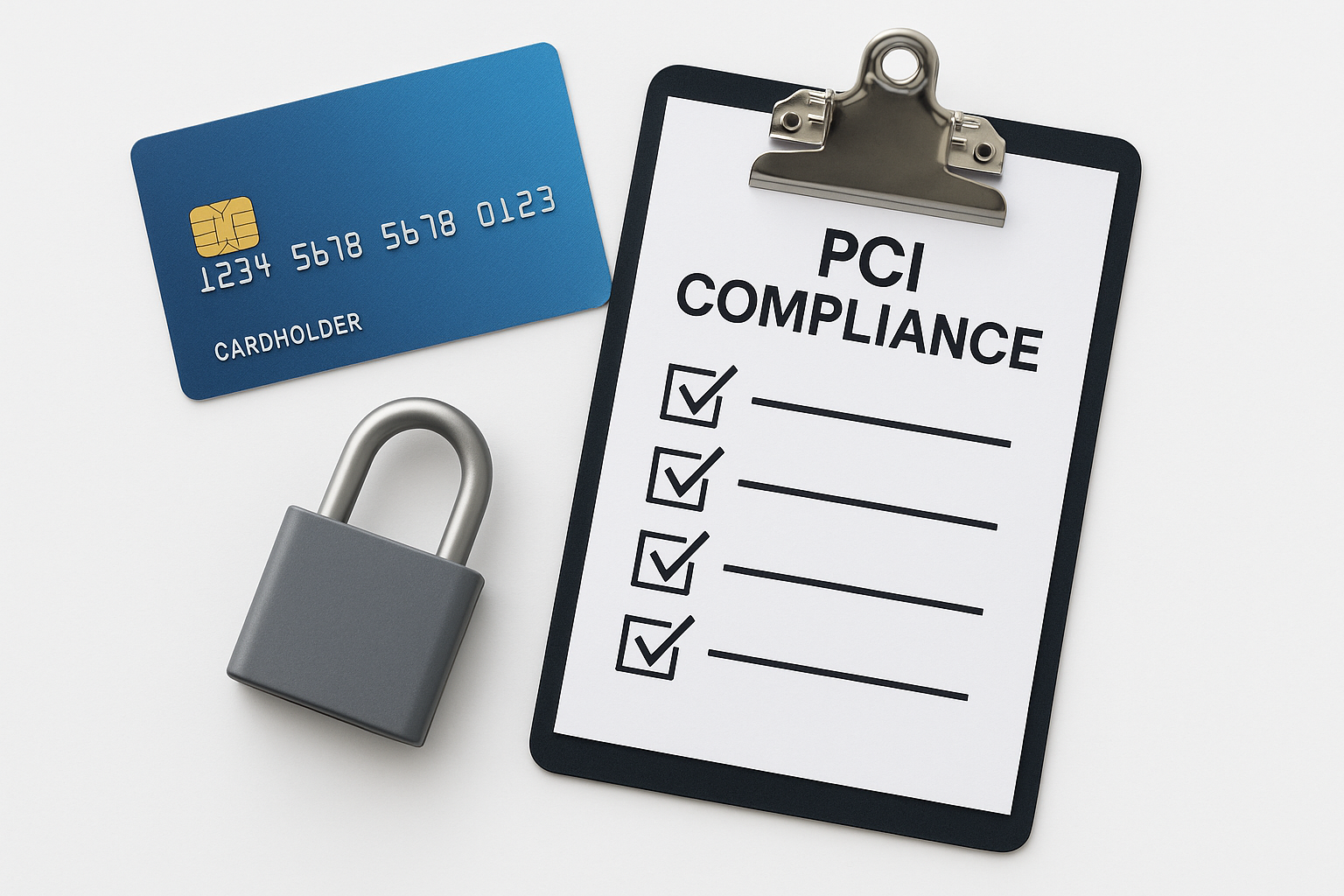
PCI compliance refers to following the Payment Card Industry Data Security Standard (PCI DSS), a set of security requirements designed to protect credit card and debit card information. Any business that stores, processes, or transmits cardholder data is expected to meet these standards, whether it is a small online shop or a large enterprise.
The goal of PCI compliance is simple: reduce the risk of payment card fraud and data breaches. Because card payments involve sensitive financial information, even a small security gap can lead to stolen data, financial loss, legal trouble, and damage to customer trust.
PCI DSS is maintained by the Payment Card Industry Security Standards Council, which was created by major card brands including Visa, Mastercard, American Express, Discover, and JCB. While PCI compliance is not a law, it is a contractual requirement through payment processors and card brands. In practice, that means businesses accepting card payments must take it seriously.
Why PCI Compliance Matters
PCI compliance matters because payment data is one of the most valuable targets for cybercriminals. If customer card details are exposed, the consequences can be severe. A breach may result in chargebacks, fines, higher processing fees, forensic investigations, and even the loss of the ability to accept card payments.
Beyond the financial impact, compliance also helps protect your reputation. Customers want to know their personal and payment information is being handled responsibly. Meeting PCI requirements shows that your business values security and is taking steps to protect sensitive data.
PCI compliance also encourages better internal security practices. Many of the controls required by PCI DSS, such as access restrictions, encryption, and regular monitoring, are security fundamentals that strengthen your overall business operations.
Who Needs to Be PCI Compliant?
Any organization that accepts, stores, processes, or transmits cardholder data needs to be PCI compliant. This includes:
- Retail stores
- E-commerce businesses
- Restaurants and hospitality companies
- Subscription services
- Software platforms that handle payments
- Service providers that support payment systems
Even if you use a third-party payment processor, you may still have PCI responsibilities. For example, if your website accepts card payments through a hosted checkout or embedded form, you are still part of the payment ecosystem and may need to complete some level of PCI validation.
The specific requirements depend on how many transactions you process annually and how your systems handle card data. Larger businesses typically face stricter validation requirements, while smaller merchants often complete a self-assessment questionnaire.
The 12 PCI DSS Requirements
PCI DSS is organized around 12 core requirements that help protect payment data. These are grouped into six broader security goals.
Build and Maintain a Secure Network
This includes installing and maintaining firewalls and avoiding vendor-supplied default passwords or security settings. Weak network defenses are one of the most common entry points for attackers.
Protect Cardholder Data
Businesses must protect stored cardholder data and encrypt transmission of card data across open, public networks. Sensitive information should never be left exposed or unnecessarily retained.
Maintain a Vulnerability Management Program
This requires using anti-malware tools and regularly updating systems and applications. Outdated software creates opportunities for attackers to exploit known weaknesses.
Implement Strong Access Control Measures
Only authorized individuals should be able to access cardholder data. Access should be limited by job role and protected with unique user IDs and strong authentication.
Regularly Monitor and Test Networks
Monitoring logs and testing systems help identify suspicious activity before it becomes a major breach. Regular reviews also make it easier to spot weaknesses in security controls.
Maintain an Information Security Policy
Security should not be a one-time project. PCI DSS requires businesses to maintain and communicate a formal security policy that guides employees and supports ongoing compliance.
How to Get PCI Compliant
Getting PCI compliant begins with understanding how your business handles card data. Map out where payment information enters your systems, where it is stored, who can access it, and which vendors or processors are involved. This helps you identify your compliance scope.
Next, determine which PCI validation method applies to your business. Many smaller merchants use a Self-Assessment Questionnaire (SAQ), while larger businesses may need to complete a Report on Compliance (ROC) through a Qualified Security Assessor. Your payment processor can usually help you determine the correct path.
Once you know your obligations, review your current security controls against PCI requirements. Common gaps include weak passwords, unnecessary storage of card data, missing firewalls, poor logging, and unpatched software. Fixing these issues often brings you much closer to compliance.
It is also important to train employees. Human error is a major cause of security incidents, so staff should understand how to handle card data safely, recognize phishing attempts, and report suspicious behavior. A strong compliance program is as much about people as it is about technology.
Finally, document everything. PCI compliance is not just about having the right controls in place; you must also show evidence of them. Keep records of policies, system configurations, vulnerability scans, assessments, and remediation efforts.
Common PCI Compliance Mistakes
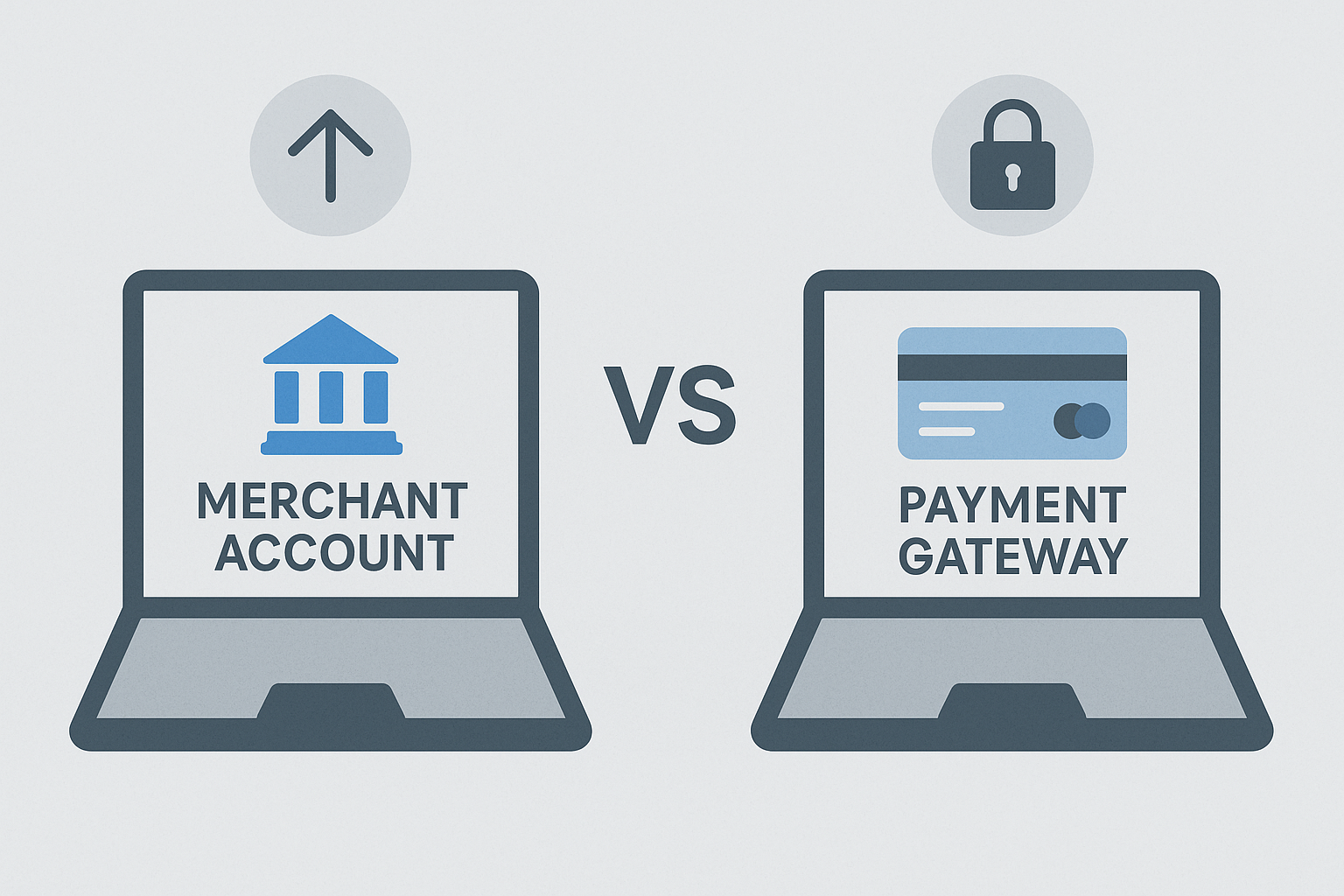
One of the most common mistakes is assuming that using a payment gateway means compliance is automatic. While outsourcing payment processing can reduce your scope, it does not eliminate your responsibilities entirely.
Another frequent issue is storing cardholder data longer than necessary. Businesses sometimes keep information for convenience, but unnecessary storage increases risk and expands compliance obligations. If you do not need the data, do not keep it.
Weak passwords and shared logins are also major problems. PCI DSS expects unique user access and strong authentication. Shared accounts make it difficult to track actions and respond to suspicious activity.
Neglecting system updates and security patches is another common failure. Attackers often exploit known vulnerabilities in old software, so patch management should be a routine process.
Finally, many businesses treat PCI compliance as a one-time checklist instead of an ongoing process. In reality, compliance must be maintained continuously through monitoring, testing, training, and periodic review.
Best Practices for Staying Compliant
To stay compliant, reduce your exposure to cardholder data wherever possible. Use payment processors and hosted payment pages that minimize your handling of sensitive information. The less data you store or transmit, the lower your risk.
Use strong encryption, firewalls, and endpoint protection across your environment. Limit access to payment systems to only those employees who genuinely need it, and review access regularly.
Run vulnerability scans and security tests on a scheduled basis. These checks help you find issues before criminals do. Many businesses also benefit from working with managed security providers or compliance consultants who can help interpret requirements and maintain good security hygiene.
In addition, keep your policies current. As your business changes, your security and compliance practices should evolve too. New payment channels, new vendors, or new remote work arrangements may all affect your PCI scope.
Conclusion
PCI compliance is more than a checkbox. It is a practical framework for protecting payment data, reducing fraud risk, and building customer trust. By understanding your obligations, strengthening your security controls, and maintaining good documentation, you can create a safer payment environment and avoid costly compliance issues.
If your business accepts card payments, now is the time to review your PCI posture and make compliance part of your ongoing security strategy.