What Are Omnichannel Payments?
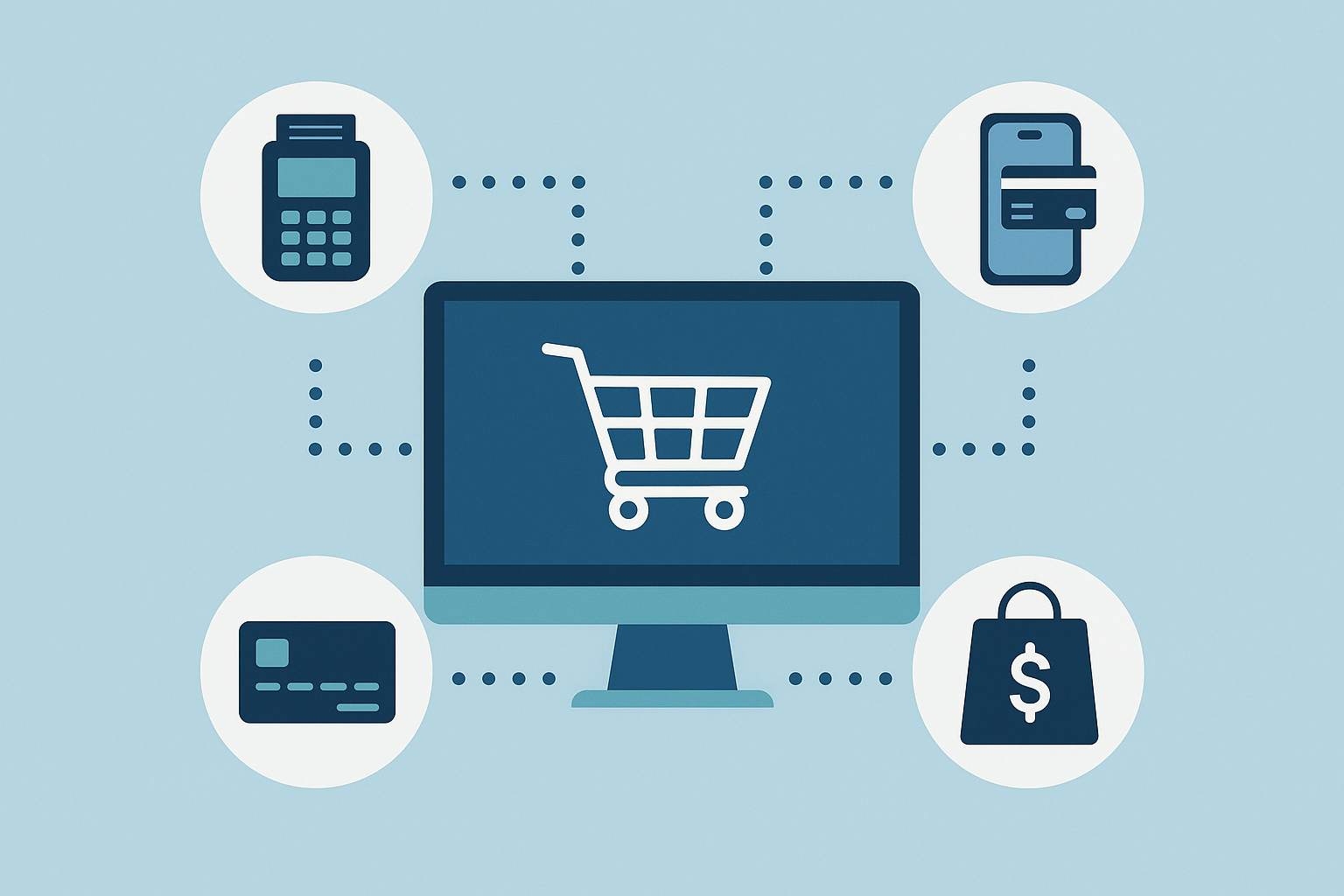
Omnichannel payments refer to a payment experience that works seamlessly across multiple customer touchpoints, including online stores, mobile apps, in-store terminals, call centers, and social commerce channels. The goal is simple: let customers start a purchase in one place and finish it in another without friction. Instead of treating each sales channel as a separate system, omnichannel payments connect them into a unified experience.
This approach is especially important in a world where customers expect convenience, speed, and flexibility. A shopper might browse products on a phone, ask questions on live chat, complete payment on a laptop, and later pick up the item in store. Omnichannel payments make that journey feel natural by keeping payment data, customer context, and transaction history connected.
Why Omnichannel Payments Matter
Modern buyers do not think in channels. They simply want to interact with a brand in the easiest way possible. If payment is slow, disconnected, or inconsistent, the customer experience suffers. Omnichannel payments help businesses remove those barriers and create a smoother buying journey.
They also support business growth. When payment systems are connected, companies can gain a clearer view of customer behavior, reduce abandoned carts, improve conversion rates, and offer more flexible fulfillment options such as buy online, pick up in store. For retailers, restaurants, service businesses, and subscription companies, omnichannel payments can be a major competitive advantage.
Key Benefits of Omnichannel Payments
1. Better Customer Experience
Customers appreciate convenience. Omnichannel payments reduce repeated steps, eliminate the need to re-enter information, and allow buyers to choose the channel that fits their preferences. Whether they are paying in person or online, the experience feels consistent and familiar.
2. Higher Conversion Rates
Every extra step in the checkout process creates the risk of abandonment. A connected payment experience helps streamline checkout, making it easier for customers to complete their purchase. Features like saved payment methods, digital wallets, and cross-channel cart persistence can all contribute to higher conversion.
3. Unified Customer Data
When payments are fragmented across systems, businesses often struggle to see the full customer picture. Omnichannel payment platforms centralize transaction data, which makes it easier to track purchase history, preferences, and behavior across channels. This can improve personalization, loyalty programs, and customer support.
4. Improved Operational Efficiency
Managing multiple disconnected payment tools can be time-consuming and costly. A unified payment solution can reduce manual reconciliation, simplify reporting, and make it easier for teams to manage transactions. This can save time for finance, operations, and customer service teams.
5. Greater Flexibility for Sales Channels
Omnichannel payments support a wide range of selling models. Businesses can accept payments online, via mobile, in-store, through invoices, or even through remote sales tools. This flexibility allows brands to meet customers wherever they are and adapt to changing shopping habits.
How Omnichannel Payments Work
At the core of omnichannel payments is a connected infrastructure. Payment data from different channels flows into one system or platform, allowing businesses to manage transactions in a coordinated way. This often involves a payment gateway, processor, point-of-sale system, e-commerce platform, and customer relationship tools working together.
For example, a customer may add items to a cart on a website, then later visit a store to complete the purchase. With omnichannel payments, the store associate can access the same cart, recognize the customer, and continue the transaction without starting over. In another scenario, a customer service representative may create a payment link during a phone call, enabling the customer to pay securely without needing to repeat order details.
Many omnichannel payment systems also support tokenization, which helps protect sensitive payment information. This makes it possible to store payment credentials securely and reuse them across channels without exposing raw card data.
Omnichannel Payments vs. Multichannel Payments
It is easy to confuse omnichannel payments with multichannel payments, but there is an important difference. Multichannel payments mean a business accepts payments through more than one channel. However, those channels may operate independently and may not share data or customer context.
Omnichannel payments go a step further by integrating those channels into one unified system. This creates a more seamless customer journey and gives the business a more complete view of each transaction. In short, multichannel is about having multiple options, while omnichannel is about making those options work together.
Common Use Cases
Omnichannel payments can benefit many types of businesses. Retailers use them to support buy online, pick up in store, return in store, and endless aisle shopping. Restaurants use them for online ordering, mobile ordering, curbside pickup, and in-person dining payments. Service businesses use them to take payments from invoices, websites, and customer support teams. Subscription brands use them to let customers update billing details, renew memberships, and manage purchases across channels.
These use cases show that omnichannel payments are not limited to large enterprises. Businesses of all sizes can benefit from a more connected payment strategy, especially as customer expectations continue to rise.
Challenges to Consider
Although omnichannel payments offer many advantages, implementation can come with challenges. One common issue is system integration. Businesses may already use separate tools for e-commerce, point of sale, accounting, and customer management, and connecting those tools can take time and planning.
Security and compliance are also critical. Businesses must ensure that payment data is protected and that any solution they use meets relevant standards, such as PCI compliance. In addition, teams may need training to fully understand new workflows and reporting features.
Another challenge is choosing the right provider. Not all payment platforms offer the same level of channel integration, reporting, or support. Businesses should look for a solution that fits their current needs while leaving room to scale as their operations grow.
Best Practices for Implementing Omnichannel Payments
To get the most value from omnichannel payments, businesses should start with a clear strategy. First, map the customer journey and identify where payments happen today. This helps reveal gaps, friction points, and opportunities for improvement.
Next, choose a platform that can unify data across channels and support future growth. A flexible solution should work with existing systems and offer features like recurring billing, digital wallets, stored payment methods, and centralized reporting.
It is also important to prioritize security from the start. Use tokenization, encryption, and compliant payment workflows to protect customer data. Finally, monitor performance regularly. Metrics such as conversion rate, cart abandonment, average order value, and transaction success rate can help measure the impact of your omnichannel strategy.
The Future of Omnichannel Payments
The future of payments is increasingly connected, personalized, and mobile-first. As more customers move between digital and physical experiences, businesses will need payment systems that can keep up. We are likely to see continued growth in digital wallets, contactless payments, embedded finance, and AI-driven personalization, all of which can strengthen the omnichannel experience.
Businesses that invest in omnichannel payments now will be better prepared for changing customer expectations. They will also be in a stronger position to create loyal customers, improve efficiency, and compete in an increasingly crowded market.
Conclusion
Omnichannel payments are more than a technology trend. They are a practical way to create a smoother, smarter, and more flexible customer experience across every sales channel. By connecting payment data and simplifying the buying journey, businesses can reduce friction, increase conversions, and better serve today’s connected shoppers.