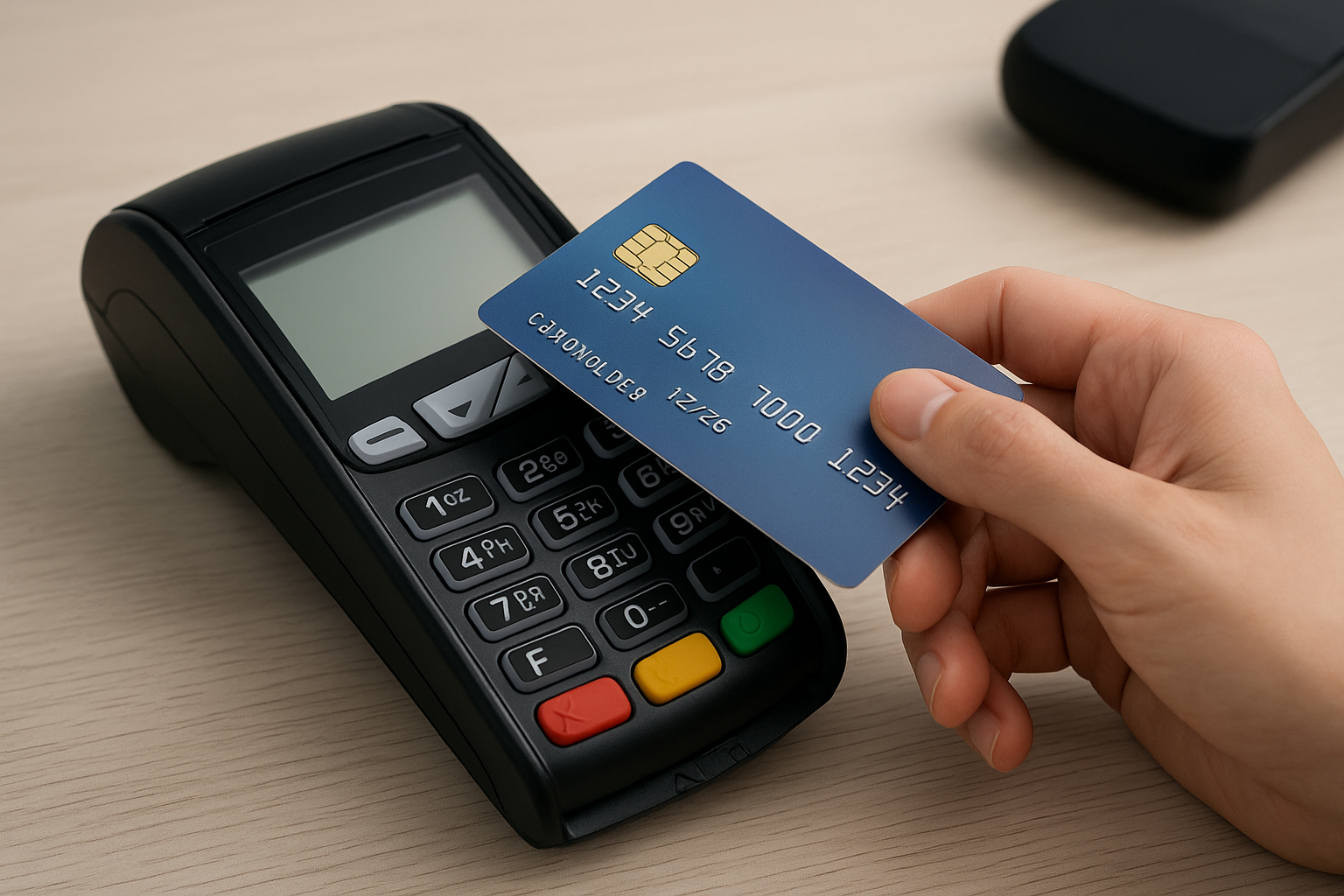
EMV credit card processing has become the standard for in-person payments around the world. If you’ve used a chip card at a store, restaurant, or service counter, you’ve already experienced EMV in action. For businesses, understanding how EMV works is essential because it affects transaction security, fraud protection, chargeback risk, and the customer checkout experience.
What Is EMV Credit Card Processing?
EMV stands for Europay, Mastercard, and Visa—the three companies that originally developed the chip card standard. Today, EMV refers to the technology used in chip-enabled credit and debit cards that creates a more secure payment transaction than traditional magnetic stripe cards.
In EMV credit card processing, the card’s embedded chip generates a unique code for each transaction. That dynamic code makes it much harder for criminals to copy card data and reuse it for fraudulent purchases. Instead of relying on static information stored on a magstripe, EMV transactions use encrypted, one-time data that changes each time the card is used.
How EMV Credit Card Processing Works
The EMV process may seem simple from the outside—insert, tap, or sometimes swipe—but there is a lot happening behind the scenes.
1. The customer presents the card
The customer inserts a chip card into a terminal, taps it if it supports contactless payments, or in some cases swipes it when chip reading is unavailable. The terminal communicates with the chip to begin the transaction.
2. The chip generates dynamic transaction data
Unlike a magnetic stripe, the chip creates unique authentication data for that specific payment. This data helps confirm that the card is legitimate and has not been cloned.
3. The payment is authenticated
The terminal and payment network verify the transaction details. Depending on the setup, the process may involve card verification methods such as a PIN, signature, or no-cardholder-verification for lower-risk transactions.
4. The issuer approves or declines the payment
Once the transaction reaches the card issuer, it is evaluated using security checks, available funds or credit, and fraud controls. If everything looks valid, the issuer approves the transaction and the sale is completed.
Why EMV Credit Card Processing Is Important
EMV technology was introduced primarily to reduce counterfeit card fraud. Because chip transactions are much harder to duplicate than magstripe transactions, EMV provides a major security upgrade for merchants and cardholders alike.
For businesses, EMV adoption can help reduce certain types of fraud and shift liability away from the merchant in many situations. If a fraudulent transaction occurs and the business did not support EMV when it should have, the merchant may be responsible for the cost. That liability shift has been one of the biggest reasons merchants upgraded their payment systems.
EMV also improves customer trust. Shoppers are increasingly aware of payment security, and seeing a modern chip-enabled terminal can reassure them that a business takes payment protection seriously.
Benefits of EMV for Merchants and Customers
EMV credit card processing offers several practical advantages:
Stronger fraud protection
Because EMV transactions use dynamic authentication, card cloning becomes far more difficult. This helps reduce counterfeit card fraud at the point of sale.
Reduced liability in many situations
When a merchant uses EMV-compliant equipment and processes the transaction properly, the liability for certain types of fraud may shift away from the business.
Improved customer confidence
Customers feel more comfortable using chip cards at businesses that clearly support secure payment methods.
Support for contactless payments
Many EMV-capable terminals also support tap-to-pay, digital wallets, and other contactless methods. This can speed up checkout and improve convenience.
Better overall payment flexibility
Modern EMV terminals often integrate with point-of-sale systems, mobile payment apps, and omnichannel commerce tools, making them useful for growing businesses.
EMV vs. Magnetic Stripe Cards
The biggest difference between EMV and magnetic stripe cards is how the card data is protected.
Magnetic stripe cards store static information on the back of the card. If that data is copied, it can often be reused to create counterfeit cards. EMV chip cards, on the other hand, create a unique transaction code each time the card is used, making stolen data much less valuable to fraudsters.
Magstripe transactions are still accepted in some situations, but they are generally considered less secure. In a world where fraud attempts are becoming more sophisticated, EMV is now the preferred standard for face-to-face payments.
Types of EMV Transactions
EMV credit card processing is not limited to chip insertion. There are several common transaction types:
Chip-and-PIN
The customer inserts the chip card and enters a PIN to verify identity. This method is widely used in many countries and offers strong security.
Chip-and-signature
The customer inserts the chip card and signs for the purchase instead of entering a PIN. This approach is common in the United States.
Contactless EMV
Customers tap a card, smartphone, or wearable device on a contactless-enabled terminal. The transaction uses EMV security standards and is often completed quickly.
Fallback magstripe transactions
If the chip cannot be read, a terminal may allow a magstripe swipe. However, these transactions may carry more fraud risk and may not offer the same liability protection as chip transactions.
What Businesses Need to Process EMV Payments
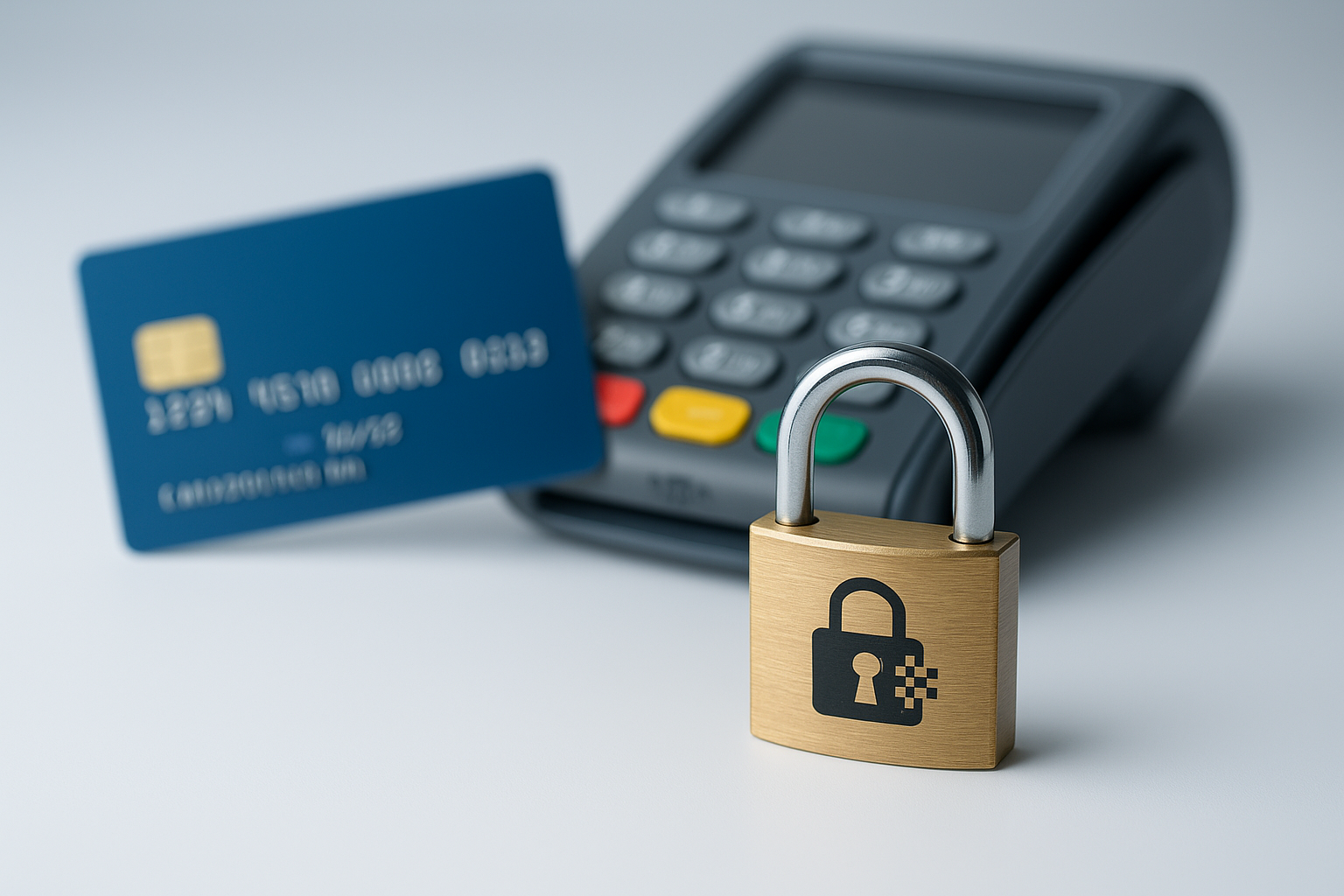
To accept EMV payments, merchants need compatible hardware and software. This typically includes an EMV-enabled payment terminal or card reader, a payment gateway or processor that supports chip transactions, and a POS system configured to handle secure card payments.
Businesses should also make sure their terminals are updated regularly. Payment technology evolves, and outdated equipment can lead to processing issues, longer checkout times, or reduced security.
In addition, staff training matters. Employees should know how to guide customers through chip insertion, tapping, and PIN entry, as well as what to do if a chip card fails to read.
Common EMV Processing Challenges
While EMV offers major benefits, businesses may run into a few common challenges:
Slower transactions than swiping
Chip transactions can take a few extra seconds compared with swipes, especially if staff are not familiar with the process. Clear training helps reduce delays.
Equipment upgrades
Some merchants need to invest in new terminals or POS hardware to support EMV. Although this requires upfront cost, the long-term security benefits often outweigh the expense.
Fallback errors
If a chip card is damaged or a terminal has trouble reading the chip, a fallback method may be needed. Businesses should know their processor’s rules for handling these exceptions correctly.
Customer confusion
Customers may still be unsure whether to swipe, insert, or tap. Simple on-screen prompts and employee guidance can improve the experience.
Best Practices for EMV Credit Card Processing
Merchants can get the most from EMV by following a few best practices:
- Use certified EMV-compliant payment terminals.
- Enable contactless payments when possible.
- Train staff to assist with chip, tap, and PIN transactions.
- Keep payment hardware and software updated.
- Use point-of-sale systems that integrate securely with your processor.
- Review fraud policies and liability rules with your payment provider.
These steps can help businesses reduce risk while keeping checkout smooth and efficient.
The Future of EMV and Secure Payments
EMV has already transformed payment security, but it continues to evolve. Contactless payments, mobile wallets, and tokenization are making transactions even more secure and convenient. Many of these technologies build on EMV standards while adding another layer of protection.
For merchants, this means the payment landscape will keep moving toward faster, safer, and more flexible checkout experiences. EMV is no longer just a card technology—it is part of a broader shift in how consumers pay and how businesses protect sensitive payment data.
Conclusion
EMV credit card processing has become a critical part of modern payment security. By using chip-based authentication instead of static card data, EMV helps protect businesses and customers from fraud while supporting faster and more reliable payment experiences. For merchants, investing in EMV-compatible systems is not just about keeping up with technology—it’s about building a safer, more trustworthy checkout process for the future.