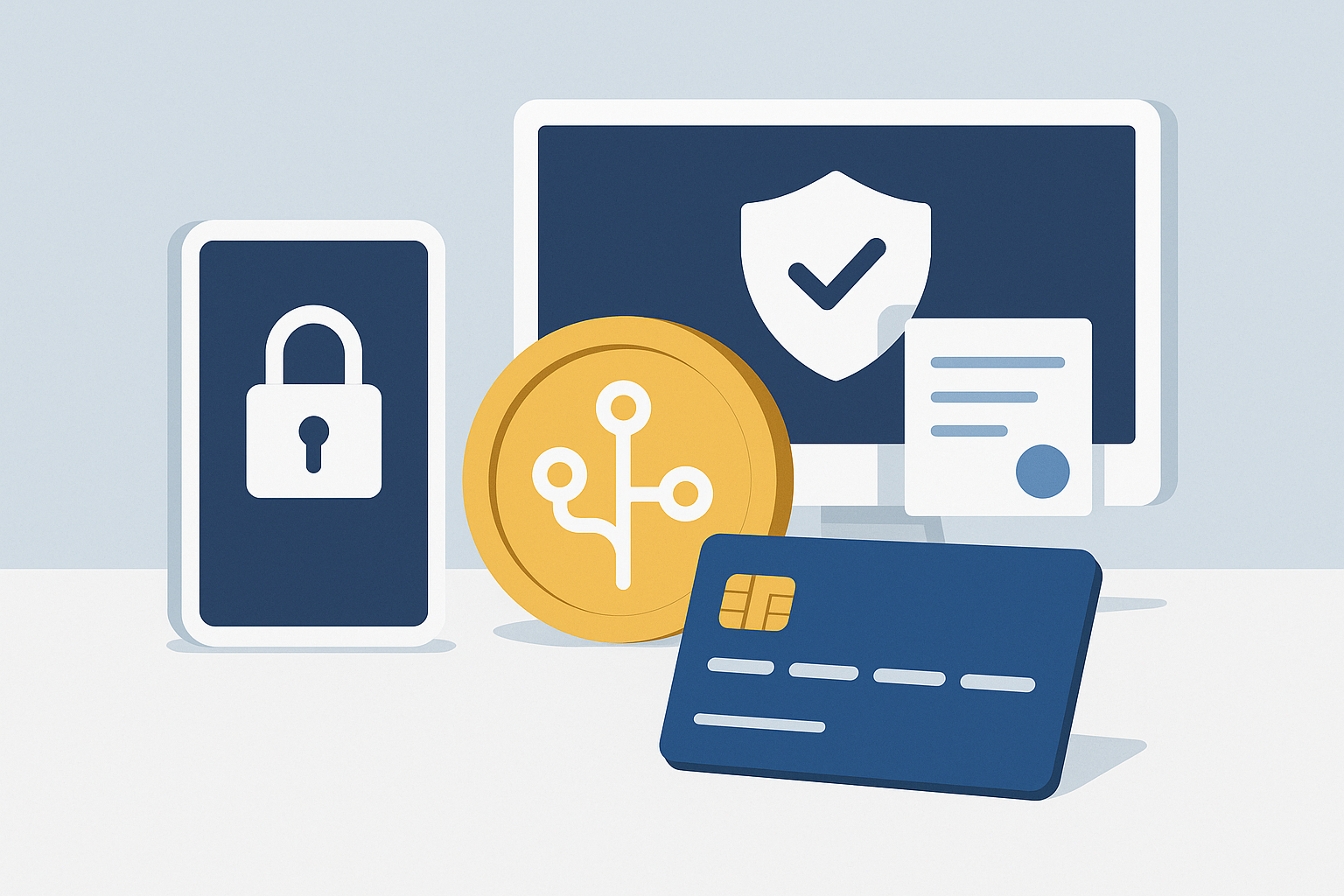
What Is Tokenization in Payments?
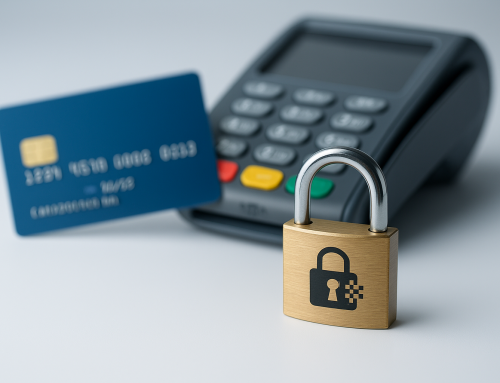
Tokenization in payments is the process of replacing sensitive payment data, such as a credit card number, with a unique surrogate value called a token. This token has no meaningful value outside the payment system that created it, which helps protect the original card data from exposure during transactions, storage, and transmission.
Unlike encryption, which transforms data into a coded format that can later be reversed with a key, tokenization swaps the actual account number for a random or algorithmically generated token. If a token is intercepted or stolen, it is useless to criminals because it cannot be mathematically reversed into the original card details.
How Tokenization Works
Step 1: Card data is captured
A customer enters their payment information during checkout, or a card is saved for future use in a wallet, marketplace, or subscription service.
Step 2: The sensitive data is sent to a tokenization system
The payment processor, gateway, or token service provider receives the card data and securely stores it in a protected environment known as a token vault.
Step 3: A token is generated
The system creates a unique token that maps back to the original card number in the vault. The token may look similar to a card number, but it contains no exploitable value on its own.
Step 4: The token is used for future transactions
Merchants store and transmit the token instead of the real card number. When a payment needs to be processed, the token is sent back to the tokenization system, which detokenizes it and submits the original card data to the payment network.
Why Tokenization Matters
Tokenization plays a major role in reducing payment risk. By keeping actual card data out of merchant systems, it lowers the chances of theft from hacking, malware, phishing, or accidental exposure. This is especially important for businesses that handle recurring billing, mobile payments, e-commerce checkouts, and digital wallets.
It also improves customer trust. Shoppers are more likely to complete purchases and save payment details when they know their data is protected. For businesses, that means fewer abandoned carts, smoother repeat purchases, and better retention.
Another advantage is compliance. Tokenization can help reduce the scope of PCI DSS obligations because merchants may no longer store or process raw card numbers in many parts of their systems. While tokenization does not eliminate compliance requirements entirely, it can significantly reduce the amount of sensitive data a business must secure.
Types of Tokenization in Payments
Network tokenization
Network tokenization is provided by card networks such as Visa, Mastercard, and others. These tokens are tied to the underlying card but can be updated automatically when a card is reissued, helping reduce failed recurring payments.
Gateway tokenization
Payment gateways often offer tokenization services that store card data in a secure vault and return a token to the merchant. This is common for online businesses that need to save customer cards for future use.
Vaultless tokenization
In some implementations, token generation is designed to avoid storing raw card data in a central vault. Instead, a secure algorithm creates a token that can later be reversed by the authorized system. This approach can simplify certain architectures, though security design still matters greatly.
Benefits for Merchants and Customers
Better security
Because merchants store tokens instead of card numbers, there is less sensitive information for attackers to target. A breach involving tokens is typically far less damaging than one involving real payment credentials.
Smoother checkout experiences
Tokenization supports features like one-click checkout, saved cards, and subscription billing. Customers do not need to re-enter their card details every time they make a purchase, which speeds up the buying process.
Reduced fraud exposure
Tokens are generally limited in how and where they can be used. This makes it harder for stolen data to be reused outside the intended payment environment.
Improved authorization rates
With network tokens, businesses may see fewer declines caused by expired or replaced cards because the token can be refreshed behind the scenes.
Common Use Cases
Tokenization is used widely across modern payment experiences. Subscription services rely on it for recurring billing, so customers can be charged automatically without resubmitting card details. E-commerce platforms use it to save cards for faster repeat purchases. Mobile wallets use tokenization to protect card information stored on devices. In-person contactless payments also frequently depend on tokenized credentials.
Tokenization vs. Encryption
Tokenization and encryption both protect sensitive data, but they do so in different ways. Encryption protects data by scrambling it with a key, making it unreadable unless the correct key is available. Tokenization replaces the data with a substitute value that has no exploitable meaning outside the secure system.
In practice, these technologies are often used together. A payment system may encrypt card data in transit and at rest, then tokenize it for storage and transaction handling. Used together, they create a stronger defense than either method alone.
Best Practices for Using Tokenization
To get the most out of tokenization, businesses should choose a trusted payment provider with strong security controls and a proven tokenization service. It is also important to limit access to detokenization processes so only authorized systems can recover the original payment data.
Merchants should avoid storing unnecessary card data, review their PCI DSS responsibilities, and make sure their tokenization setup integrates cleanly with checkout, billing, and customer service systems. Regular testing, monitoring, and vendor reviews are also essential.
Conclusion
Tokenization in payments is one of the most effective ways to protect card data while still delivering a fast, convenient customer experience. By replacing sensitive details with secure tokens, businesses can reduce risk, support recurring payments, and build greater trust with customers. As digital payments continue to grow, tokenization is becoming a standard part of modern payment security.