If you accept credit and debit card payments, you have probably heard the term interchange plus pricing. It is one of the most transparent ways to pay for card processing, and for many businesses, it can also be one of the most cost-effective. But what does it actually mean, and how does it work?
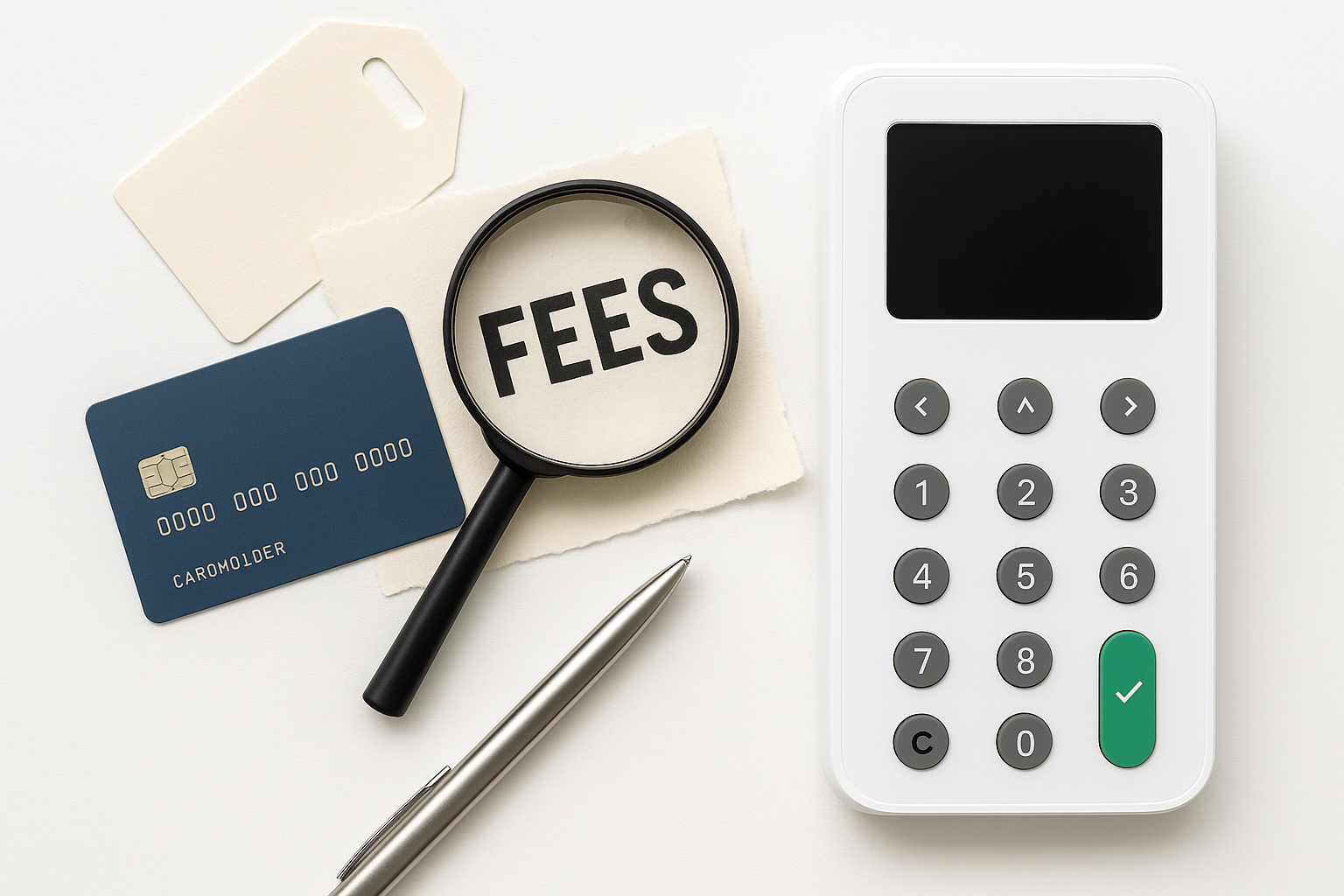
In simple terms, interchange plus pricing breaks card processing fees into two parts: the interchange fee set by the card networks and the processor markup charged by your payment provider. Instead of hiding costs inside a flat percentage, this model shows you exactly what you are paying and why.
What Is Interchange Plus Pricing?
Interchange plus pricing is a payment processing model where your credit card fees are made up of the actual interchange rate plus a small, clearly stated processor fee. The interchange fee goes to the card-issuing bank, while the processor keeps its markup for handling the transaction.
This model is often called interchange-plus, cost-plus, or pass-through pricing. The key idea is transparency: you pay the real network cost, plus the processor’s profit margin, without hidden padding.
How It Works
Every time a customer pays with a card, the transaction is routed through several parties:
- The customer’s card-issuing bank
- The card network, such as Visa or Mastercard
- Your payment processor
- Your business bank account or merchant account
The card-issuing bank and the card network charge fees based on the type of card, transaction method, industry, and risk level. These fees are known as interchange and assessment fees. With interchange plus pricing, your processor passes those base costs through to you and adds a separate, fixed markup.
For example, a transaction might look like this:
- Interchange fee: 1.80% + $0.10
- Card network fee: 0.13%
- Processor markup: 0.25% + $0.10
Your total fee would be the sum of all those parts. Because the markup is clearly separated, you can see how much is going to the card system and how much is going to your processor.
Interchange Plus Pricing vs. Flat-Rate Pricing
Many business owners compare interchange plus pricing with flat-rate pricing. Flat-rate models are simpler because they charge the same rate for every transaction, such as 2.9% + $0.30. That simplicity can be appealing, especially for startups and smaller businesses.
However, flat-rate pricing does not reflect the actual cost of each card transaction. Some payments are more expensive to process than others, while some are cheaper. With a flat-rate model, the processor averages those costs into one uniform rate.
Interchange plus pricing is different because it passes through the actual cost of each transaction. This can be especially beneficial for businesses with:
- Higher monthly processing volume
- Average or larger ticket sizes
- A mix of debit and credit card payments
- Card-present and card-not-present transactions
In many cases, interchange plus pricing ends up being less expensive than flat-rate pricing, especially as sales volume grows. The tradeoff is that it can be harder to predict exact fees before each statement arrives.
Why Businesses Choose Interchange Plus Pricing
There are several reasons why merchants prefer interchange plus pricing over other pricing models.
1. Transparency
One of the biggest advantages is clarity. Instead of wondering how your processor arrived at a fee, you can see the interchange cost, network fees, and markup separately. This makes it easier to understand your statements and spot unusual charges.
2. Potentially Lower Costs
Because the processor only adds a fixed markup, you are not paying a bundled rate that may include extra padding. For businesses that process a meaningful number of transactions, this can result in noticeable savings over time.
3. Easier Rate Comparison
Interchange plus pricing makes it easier to compare payment processors fairly. If one provider charges 0.20% + $0.10 over interchange and another charges 0.35% + $0.10, the difference is obvious. That is much simpler than comparing complicated blended rates.
4. Scalability
As your business grows, interchange plus pricing often becomes more attractive. The model scales well because it aligns costs more closely with actual transaction expenses rather than using a one-size-fits-all rate.
Common Fees in Interchange Plus Pricing
While interchange plus pricing is transparent, it still includes several components. Understanding them helps you read your statement more confidently.
Interchange Fee
This is the fee paid to the bank that issued the customer’s card. The amount varies depending on factors like card type, whether the card was swiped or keyed in, the business category, and the level of transaction risk.
Assessment Fee
This is a fee charged by the card network, such as Visa or Mastercard, for using its system. It is usually a small percentage of the transaction amount.
Processor Markup
This is the amount your payment processor earns for providing the service. It may include a percentage, a per-transaction fee, monthly account fees, or both.
Other Possible Fees
Depending on the provider, you may also see:
- Monthly statement fees
- PCI compliance fees
- Chargeback fees
- Batch fees
- Gateway fees
These extra charges are not unique to interchange plus pricing, so it is always important to review the full pricing schedule, not just the headline rate.
What to Watch For in an Interchange Plus Plan
Not all interchange plus offers are equal. Some processors advertise low markups but make up the difference with added fees elsewhere. Before signing a contract, look closely at the details.
Check the Markup Structure
Ask whether the processor charges a percentage, a per-transaction fee, or both. Even a small markup difference can add up quickly if you process many transactions.
Look for Hidden Fees
Some providers include monthly minimums, early termination fees, statement fees, or equipment lease costs. These can reduce or eliminate the savings you expected from interchange plus pricing.
Understand Your Transaction Mix
Different transaction types can carry different interchange rates. For example, keyed-in payments and online payments often cost more than in-person card-present transactions. Knowing your business’s payment mix can help you estimate true processing costs.
Ask for Clear Reporting
A good processor should make it easy to see how every fee is calculated. Detailed reporting helps you track costs, reconcile statements, and identify opportunities to reduce processing expenses.
Is Interchange Plus Pricing Right for Your Business?
Interchange plus pricing is a strong fit for many businesses, but not every merchant will benefit equally. If you process a high volume of sales, want greater visibility into your fees, or plan to scale, this model is often worth considering.
On the other hand, if you are a very small business with low transaction volume and prefer extreme simplicity, a flat-rate plan may feel easier to manage. The right choice depends on your sales patterns, average ticket size, and how much value you place on transparency.
A good rule of thumb is this: if you want to know exactly what you are paying for each transaction and keep your long-term costs in check, interchange plus pricing is often the better option.
How to Compare Providers
When shopping for a payment processor, do not focus only on the markup. A low advertised rate can be misleading if the provider adds many extra charges. Instead, compare the full cost of acceptance.
To make an informed decision, ask each provider for:
- A complete fee schedule
- A sample statement
- Details on monthly and annual fees
- Information about chargeback handling
- Contract terms and cancellation policies
Then estimate your total monthly processing cost based on your average sales volume and transaction mix. This gives you a much clearer picture than comparing a single advertised rate.
Conclusion
Interchange plus pricing is one of the most transparent ways to pay for credit card processing. By separating the true card network costs from the processor’s markup, it gives businesses better visibility into fees and often delivers better value as volume grows.
If you are evaluating payment processors, understanding interchange plus pricing can help you make a smarter, more confident decision.