What Is Tokenization in Payments?
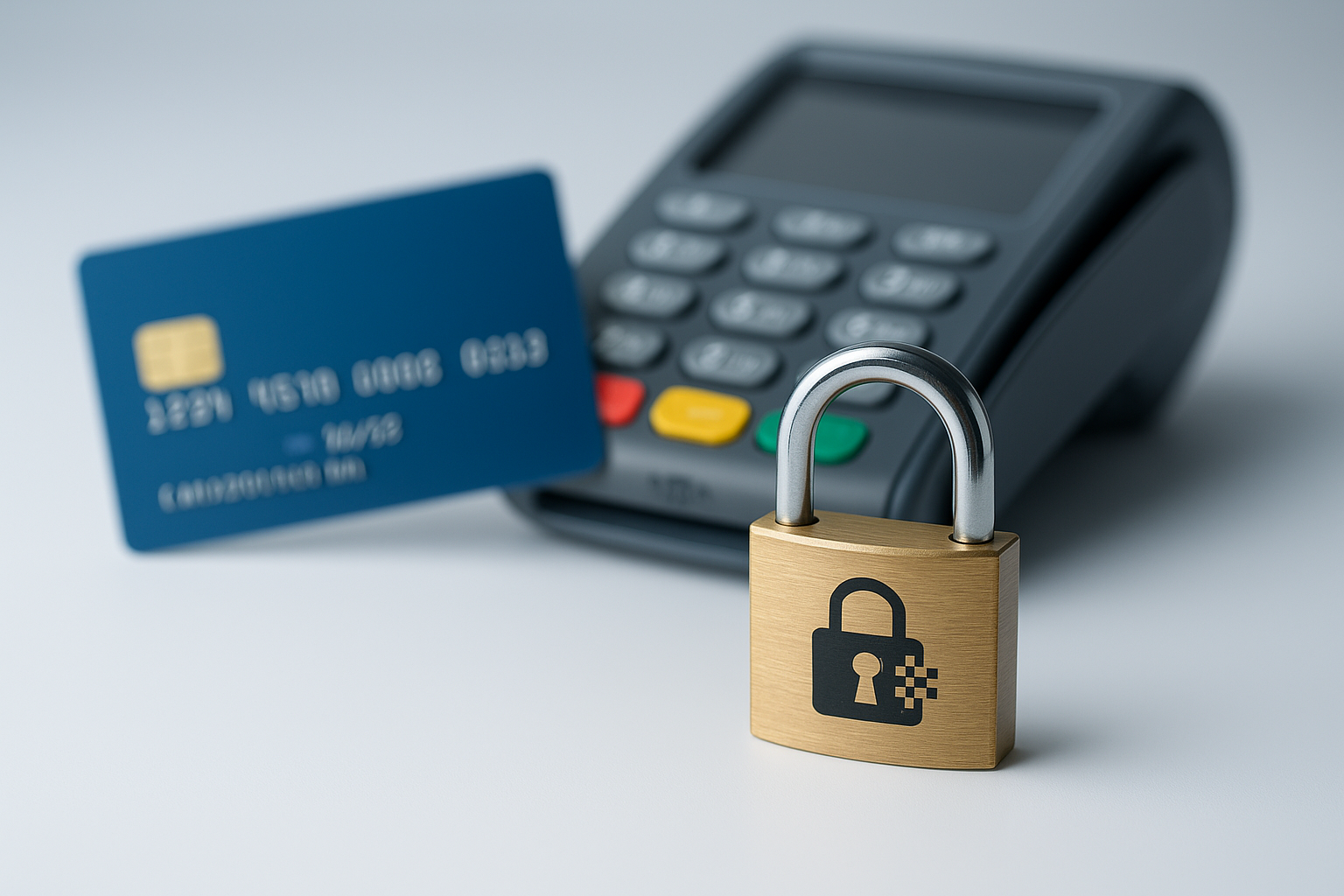
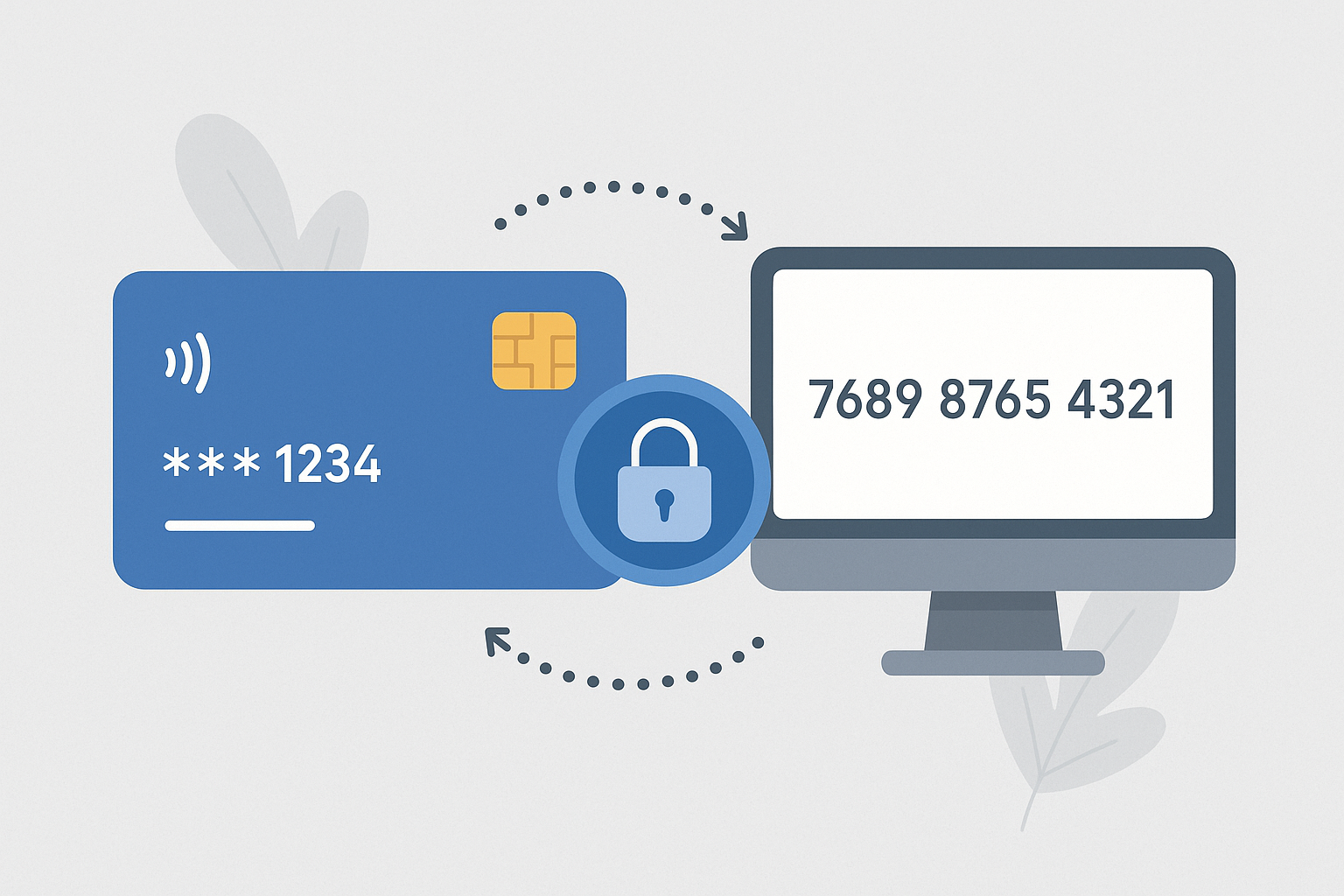
Tokenization in payments is a security method that replaces sensitive payment data, such as a card number, with a unique substitute called a token. This token has no exploitable value outside the specific payment system that created it. If a token is intercepted, it cannot be used to reveal the original card details or complete unauthorized transactions.
In simple terms, tokenization acts like a digital stand-in for sensitive information. Instead of storing or transmitting actual card data throughout payment systems, businesses use tokens to reduce risk and limit exposure. This makes tokenization a foundational tool for modern payment security, especially in e-commerce, mobile wallets, recurring billing, and in-app purchases.
How Tokenization Works
When a customer enters payment information, the card details are sent to a tokenization system, often provided by a payment processor, gateway, or token vault. The system generates a random token that maps to the original card data in a secure environment. The merchant can then store or transmit the token instead of the actual card number.
During a future transaction, the merchant sends the token back to the payment network or processor. The token is then “detokenized” in the secure vault, which retrieves the original payment credentials and completes the transaction. The merchant never needs to handle the real card number again after the initial tokenization.
There are different types of tokens depending on the use case. Some tokens are merchant-specific, meaning they can only be used by one business. Others are network tokens, which can be used across multiple channels and devices within the card network ecosystem. In all cases, the goal is the same: protect sensitive data while keeping payments fast and seamless.
Tokenization vs. Encryption
Tokenization is often confused with encryption, but they are not the same. Encryption transforms data into a coded format that can be reversed using a key. If that key is compromised, the encrypted data may be exposed. Tokenization, on the other hand, replaces the original data with a non-sensitive token that has no mathematical relationship to the original information.
This difference matters because tokenization reduces the amount of sensitive data a business actually stores. Encryption is still important, but tokenization adds another layer of protection by removing payment data from everyday business systems. Many companies use both together for stronger security.
Why Tokenization Matters
Tokenization helps businesses protect customer data and reduce the chances of a data breach. Since tokens are useless outside the environment where they were created, a stolen token is far less valuable to criminals than a stolen card number. This significantly lowers the risk of fraud and data misuse.
It also helps businesses reduce their PCI DSS compliance scope. PCI DSS is the security standard for organizations that process card payments. By replacing card data with tokens, merchants can avoid storing sensitive cardholder information in many of their internal systems, which simplifies compliance and lowers operational burden.
Another major benefit is customer trust. Shoppers are more likely to do business with companies that treat their financial information carefully. When customers know their payment details are protected, they are more comfortable completing purchases and returning for future transactions.
Tokenization also supports business efficiency. It enables features like one-click checkout, saved payment methods, recurring subscriptions, and seamless cross-device payments without repeatedly exposing card data. That creates a smoother experience for customers and fewer headaches for merchants.
Common Use Cases for Tokenization
Tokenization is used across many payment scenarios. In e-commerce, it allows customers to save cards securely for future purchases. Instead of storing the card number, the merchant stores a token that represents it.
In subscription billing, tokenization makes recurring payments possible without requiring customers to re-enter their details each month. This is especially useful for SaaS companies, streaming services, gyms, and membership platforms.
Mobile wallets and digital payment apps also rely heavily on tokenization. When a customer adds a card to a mobile wallet, the real card number is often replaced with a device-specific token. That way, the phone can make contactless or in-app payments without exposing the actual card data.
Tokenization is also valuable in omnichannel retail. A customer may start a purchase online, then continue in a mobile app or in store. Tokenization helps businesses recognize the same payment method across channels while maintaining security.
Benefits of Tokenization for Businesses and Customers
For businesses, tokenization lowers security risk, reduces compliance overhead, and streamlines payment workflows. It can also decrease the financial and reputational damage that follows a breach. Because tokenized environments contain less sensitive data, the scope of potential exposure is much smaller.
For customers, tokenization provides peace of mind and a better user experience. Payments can be faster, easier, and more consistent across devices and channels. Customers can save payment methods for future use without worrying that their full card details are being widely stored.
Tokenization also supports long-term scalability. As businesses grow and add new payment channels, token-based systems make it easier to expand without redesigning security from the ground up.
Tokenization and Payment Security Best Practices
Tokenization is powerful, but it works best as part of a broader security strategy. Businesses should still use secure payment gateways, strong authentication, fraud detection tools, and role-based access controls. Regular monitoring and vendor review are also important.
It is equally important to understand where tokens are stored and who can access them. A token vault should be highly secured, isolated from public-facing systems, and protected with strict administrative controls. If a company uses a third-party processor for tokenization, it should evaluate that provider’s security certifications, compliance posture, and incident response practices.
Businesses should also make sure their tokenization approach aligns with their payment flow. For example, merchant-specific tokens may be ideal for reducing internal risk, while network tokens may work better for maintaining payment continuity when cards are reissued or expire.
Future of Tokenization in Payments
As digital commerce continues to grow, tokenization is becoming even more important. The rise of mobile wallets, connected devices, subscription services, and cross-border commerce all increase the number of places where card data might be exposed. Tokenization helps make those experiences safer and more scalable.
We are also seeing greater adoption of network tokenization, which can improve authorization rates and reduce failed transactions when cards are replaced or updated. As payment ecosystems become more complex, tokenization will continue to play a central role in keeping transactions secure while preserving convenience.
Conclusion
Tokenization in payments is one of the most effective ways to protect sensitive card data without slowing down the customer experience. By replacing actual payment details with secure tokens, businesses can reduce fraud risk, simplify compliance, and enable smoother digital payments. For modern merchants, tokenization is no longer just a security enhancement—it is an essential part of building a trustworthy and scalable payment strategy.