Credit Card Transaction Fees: What They Are and How to Reduce Them
Credit card transaction fees are a normal part of accepting card payments, but they can be confusing and costly for businesses if they are not understood. Whether you run a small online store, a local service business, or a growing retail operation, knowing how these fees work can help you make better payment decisions, protect your margins, and avoid surprises on your merchant statement.
In simple terms, a credit card transaction fee is the cost a business pays each time a customer uses a credit card to make a purchase. These fees are usually charged by the payment processor, card network, and issuing bank, and they vary based on factors such as the card type, transaction method, industry, and business risk level.
What Are Credit Card Transaction Fees?
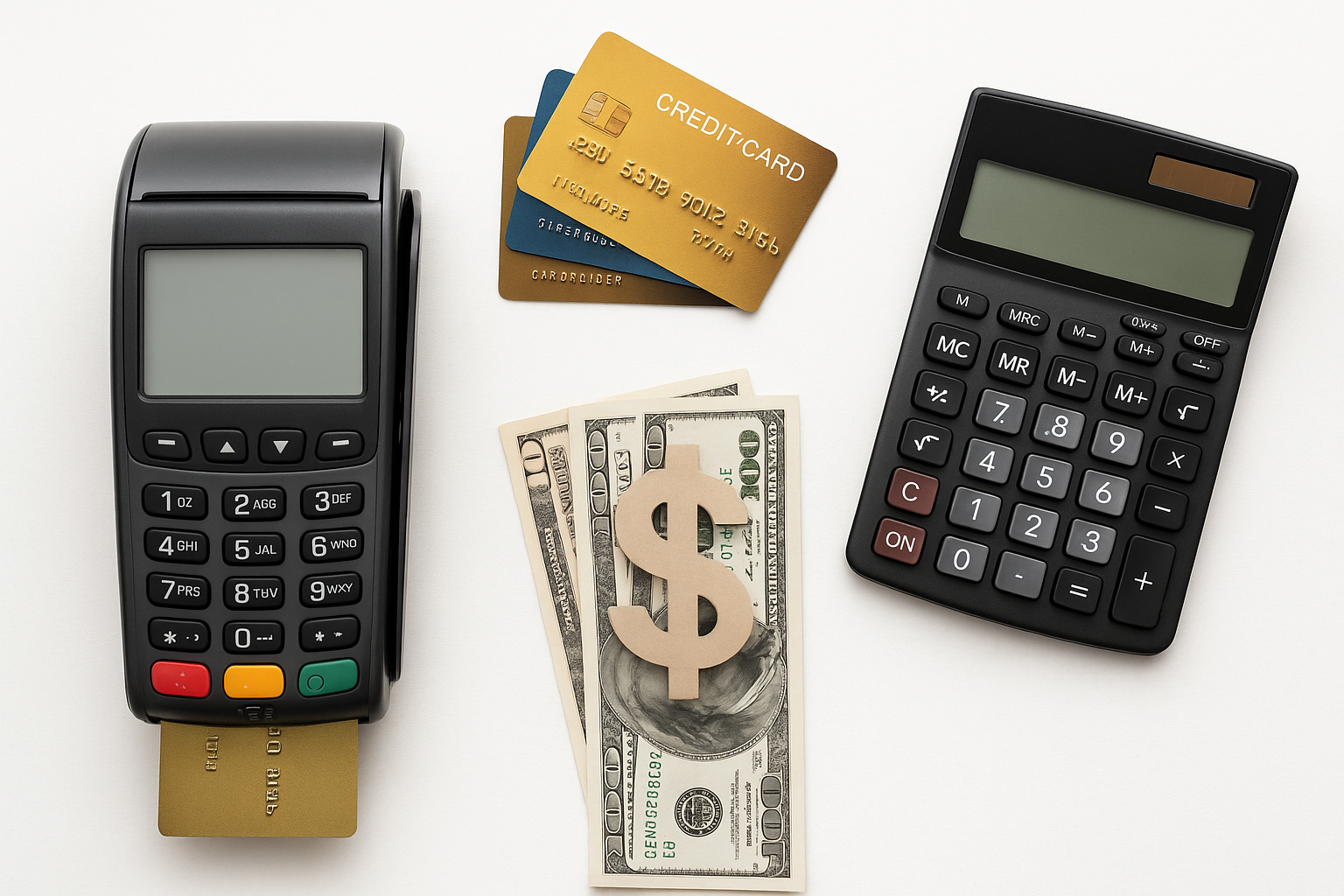
Credit card transaction fees are the charges associated with processing a payment made with a credit or debit card. Every time a customer taps, swipes, inserts, or enters a card online, several parties are involved in moving the money from the cardholder’s bank to the merchant’s account. Each of those parties may take a small cut.
These fees are typically paid by the business, not the customer, although some businesses choose to pass part of the cost on through surcharges or service fees where permitted by law and card network rules.
Main Components of the Fee
Most card transaction fees are made up of three core parts:
- Interchange fee: Paid to the cardholder’s bank, this is often the largest portion of the fee.
- Assessment fee: Charged by the card network, such as Visa or Mastercard, for using its payment rails.
- Processor markup: The payment processor or merchant service provider’s fee for handling the transaction and providing support.
Some providers bundle these into a single rate, while others itemize them separately. Understanding the structure is important because not all pricing models are equal.
How Credit Card Transaction Fees Work
When a customer pays with a card, the transaction is authorized and then settled. During this process, the payment processor communicates with the card network and the issuing bank to approve the charge. Once approved, the funds are transferred, minus the applicable fees.
The exact amount you pay depends on several variables. A premium rewards card, for example, often carries a higher interchange fee than a standard consumer card. Similarly, a card-not-present online transaction is usually more expensive than an in-person chip transaction because the fraud risk is higher.
Many businesses are surprised to learn that the same customer purchase can have different processing costs depending on how it is completed. A $50 in-store chip payment may cost less to process than a $50 keyed-in payment over the phone.
Common Pricing Models
Merchant providers use several pricing models, and each has pros and cons:
- Flat-rate pricing: A single percentage plus a fixed fee per transaction. Easy to understand, but not always the cheapest.
- Interchange-plus pricing: The processor charges interchange plus a markup. Often more transparent and potentially more cost-effective for higher-volume businesses.
- Tiered pricing: Transactions are grouped into categories such as qualified, mid-qualified, and non-qualified. This can be harder to evaluate and may cost more overall.
Choosing the right pricing model can make a noticeable difference in your total payment processing costs over time.
Why Businesses Pay Credit Card Transaction Fees
Businesses pay transaction fees because card payments offer convenience, speed, and security. Accepting credit cards can increase sales, improve customer satisfaction, and reduce the risk of bounced checks or cash handling issues. For many businesses, the ability to accept cards is essential to staying competitive.
However, the cost of acceptance can add up quickly. Even a fee of 2% to 3% may significantly affect profit margins, especially for businesses with low-margin products or high transaction volumes. That is why it is important to treat payment processing as a strategic expense rather than a fixed inconvenience.
Factors That Affect Credit Card Transaction Fees
Several factors determine how much you pay per transaction. Understanding these variables can help you identify ways to lower costs.
Card Type
Rewards cards, premium cards, and business cards often have higher fees than basic consumer debit cards or standard credit cards. This is because they typically offer more benefits to cardholders, which are funded in part by higher processing costs.
Transaction Method
Card-present transactions, such as swiped or tapped payments, are usually cheaper than card-not-present transactions like online, phone, or manually entered payments. The more secure the transaction, the lower the risk for the payment ecosystem.
Industry Type
Certain industries, such as travel, subscriptions, e-commerce, or high-risk sectors, may face higher fees due to chargeback risk or delayed fulfillment. Businesses with recurring billing or longer delivery windows may be charged more because the possibility of disputes is greater.
Average Ticket Size and Volume
Businesses that process a high volume of transactions may be able to negotiate better rates. On the other hand, businesses with many small-ticket transactions may feel the impact of fixed per-transaction fees more heavily.
Hidden or Additional Fees to Watch For
Transaction fees are only part of the total cost of accepting cards. Some providers also charge additional fees that can be easy to miss if you do not review your statements carefully.
- Monthly account fees: Charged for maintaining the merchant account.
- PCI compliance fees: Fees related to maintaining payment security standards.
- Chargeback fees: Charged when a customer disputes a transaction.
- Early termination fees: Applied if you cancel a contract before it ends.
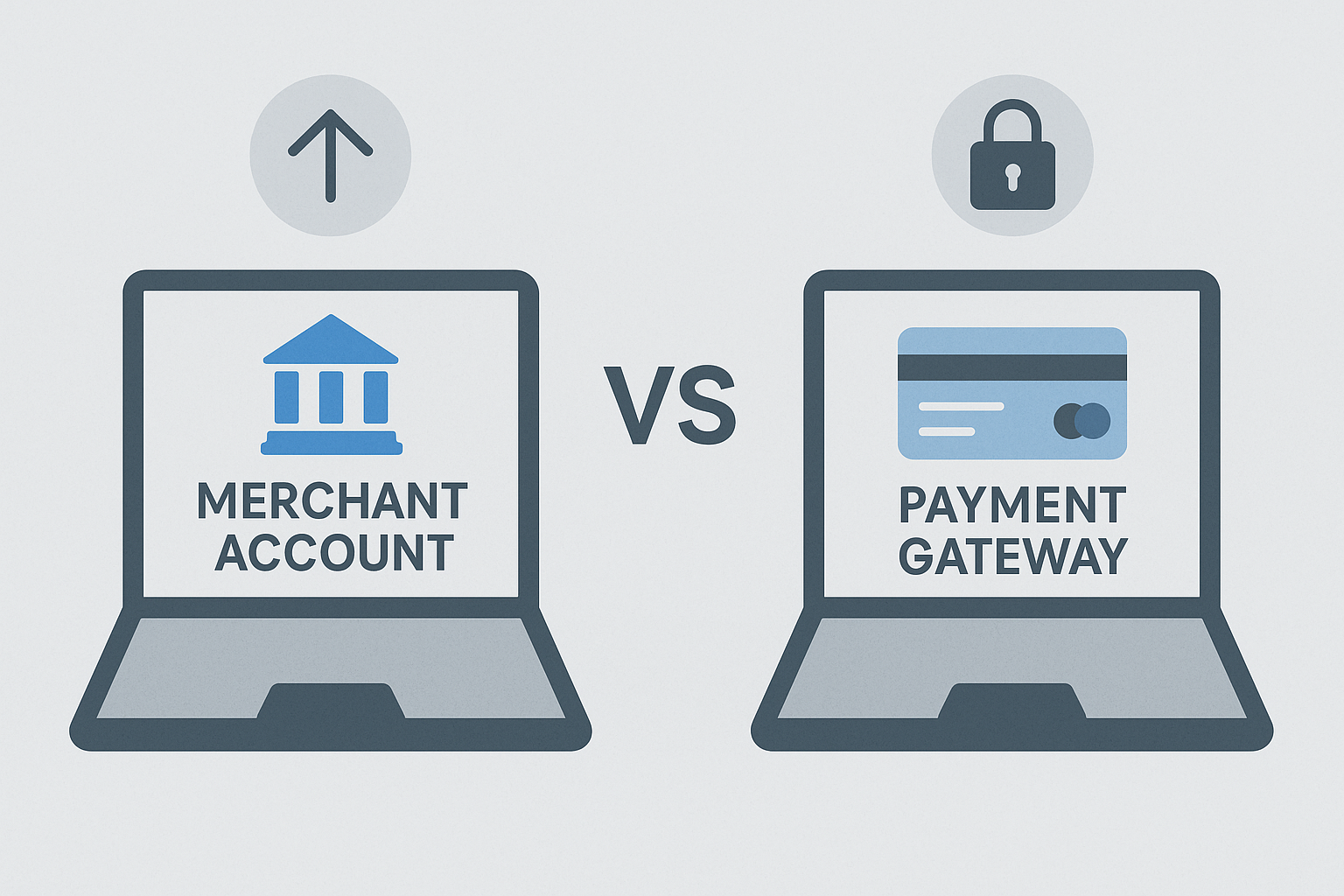
- Equipment or gateway fees: Costs for card readers, terminals, or payment gateways.
These extra charges can materially increase what you pay each month. Always read the contract and ask for a full fee schedule before signing up with a processor.
How to Reduce Credit Card Transaction Fees
While it is rarely possible to eliminate card processing fees entirely, there are several practical ways to lower them.
Choose the Right Pricing Model
If your business processes a significant number of transactions, interchange-plus pricing may offer better transparency and lower total costs than a flat-rate plan. Compare several providers and ask for a side-by-side cost estimate based on your actual sales data.
Encourage Lower-Cost Payment Methods
When appropriate and permitted, encourage customers to use debit cards, tap-to-pay, or ACH bank transfers for certain purchases. Some businesses also offer discounts for cash or alternative payment methods, depending on local rules.
Use Secure, Card-Present Technology
Whenever possible, use chip readers and contactless terminals rather than keyed-in transactions. Secure transactions are less likely to be flagged as risky and may qualify for lower rates.
Reduce Chargebacks and Fraud
Good fraud prevention can lower your overall payment costs. Use clear billing descriptors, provide responsive customer service, keep records of transactions, and ship orders with tracking. Fewer disputes can mean fewer chargeback fees and less time spent resolving them.
Negotiate With Your Provider
Processors may be willing to lower rates or waive fees if you have strong processing volume or a long business history. If your sales are growing, use that leverage to ask for a better deal.
Review Statements Regularly
Merchant statements can be confusing, but reviewing them regularly helps you spot unexpected increases, duplicate fees, or pricing changes. A small monthly overcharge can become expensive over a year.
Are Credit Card Transaction Fees Worth It?
For most businesses, the answer is yes. Credit card acceptance usually increases sales, improves convenience, and supports a smoother customer experience. Customers often prefer paying by card because it is fast, secure, and offers purchase protection.
The key is not avoiding fees altogether, but managing them wisely. A business that understands processing costs can budget accurately, choose better payment partners, and protect profitability without sacrificing customer convenience.
Conclusion
Credit card transaction fees are a standard part of modern commerce, but they do not have to be a mystery. By understanding what drives these costs, reviewing your pricing model, and taking steps to reduce unnecessary fees, you can keep your payment processing expenses under control. A little attention to detail can go a long way in protecting your bottom line.