What Is PCI Compliance?
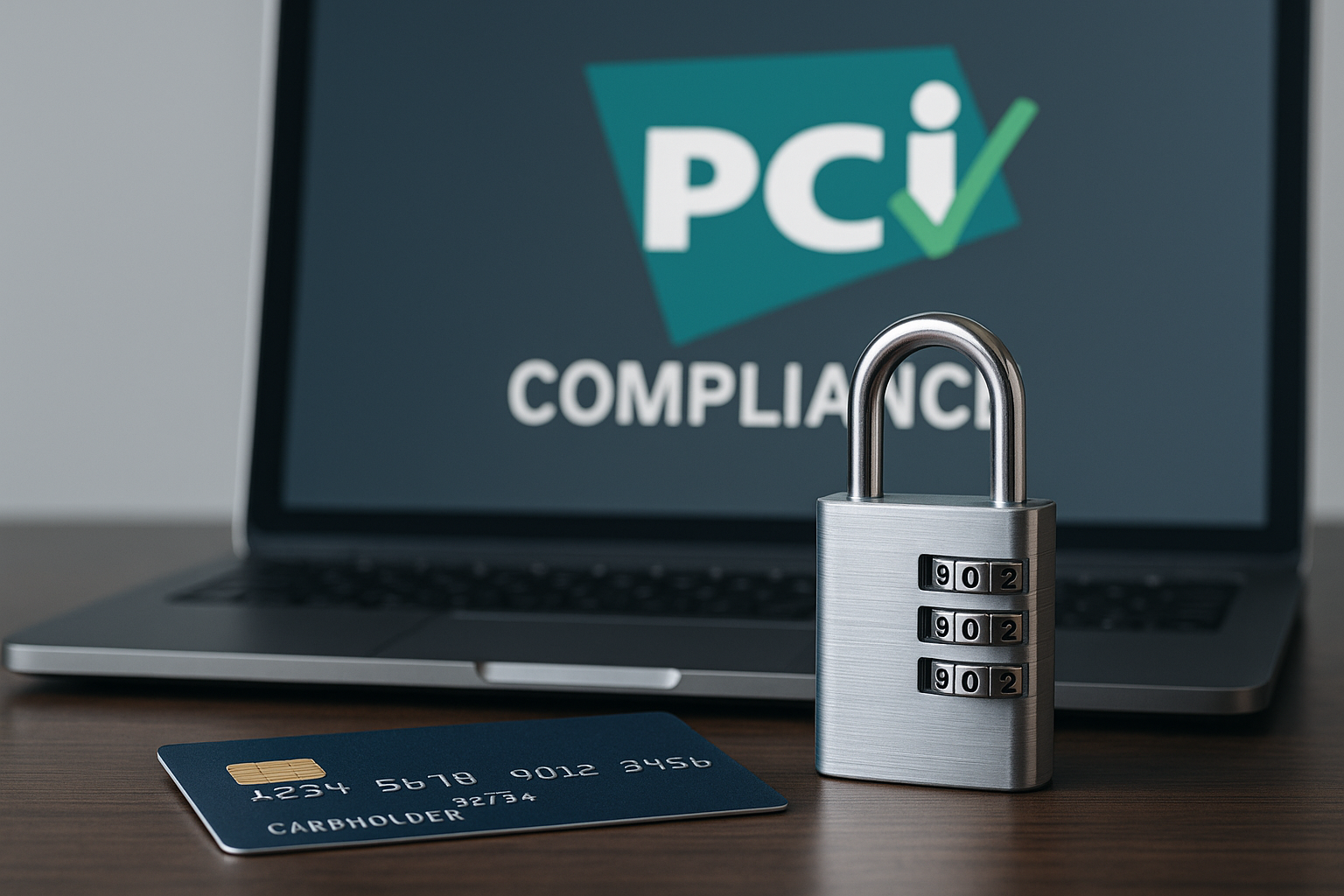
PCI compliance refers to following the Payment Card Industry Data Security Standard (PCI DSS), a set of security requirements designed to protect cardholder data. If your business accepts, processes, stores, or transmits credit or debit card information, PCI compliance helps reduce the risk of payment card fraud and data breaches.
In simple terms, PCI compliance is about showing that your organization takes payment security seriously. It is not a product you buy or a one-time certification you receive. Instead, it is an ongoing process of maintaining secure systems, policies, and practices that protect sensitive payment data.
For businesses of all sizes, PCI compliance is essential. It helps protect customers, supports trust, and can reduce the financial and reputational damage caused by a security incident.
Why PCI Compliance Matters
Every time a customer uses a card to make a payment, sensitive information is involved. That data can be stolen if it is not properly protected. PCI compliance exists to create a consistent baseline for security across the payment ecosystem.
Compliance matters because it:
- Protects cardholder data from unauthorized access
- Helps prevent fraud and identity theft
- Reduces the likelihood and impact of data breaches
- Builds customer trust and confidence
- Helps businesses meet contractual obligations with payment processors and banks
Many organizations also discover that PCI practices improve their overall cybersecurity posture, not just payment security.
Who Needs to Be PCI Compliant?
Any business that accepts card payments typically needs to comply with PCI DSS requirements. This includes:
- Retail stores
- E-commerce businesses
- Service providers
- Restaurants and hospitality businesses
- Nonprofits that accept donations by card
PCI compliance applies whether your business handles a few transactions a month or millions. The level of validation required depends on the volume of transactions and how your business handles card data.
For example, a small business that uses a third-party payment processor may have fewer requirements than a large enterprise that stores cardholder data on its own systems. Still, both must take payment security seriously.
The 12 PCI DSS Requirements
PCI DSS is built around 12 core requirements grouped into six security goals. These requirements are the foundation of PCI compliance.
1. Build and Maintain a Secure Network
Businesses must install and maintain firewalls and avoid default vendor passwords. Secure network design helps keep unauthorized users out of payment systems.
2. Protect Cardholder Data
Cardholder data should be protected wherever it is stored, transmitted, or processed. This often includes encryption and minimizing the amount of data retained.
3. Maintain a Vulnerability Management Program
Organizations should use antivirus software, anti-malware tools, and regular patching to defend against known threats.
4. Implement Strong Access Control Measures
Access to cardholder data should be limited to people who truly need it. Unique user IDs, role-based access, and multi-factor authentication are key controls.
5. Monitor and Test Networks Regularly
Logging, monitoring, and regular testing help identify suspicious activity and weaknesses before they become major issues.
6. Maintain an Information Security Policy
A written security policy ensures that employees understand their responsibilities and that security practices are consistently applied.
How PCI Compliance Is Assessed
PCI compliance is not the same for every business. The assessment process depends on your PCI merchant level and how you handle card data. Most businesses complete some combination of the following:
- Self-Assessment Questionnaire (SAQ): A common option for smaller businesses that use approved payment solutions
- Quarterly network scans: External scans conducted by an Approved Scanning Vendor (ASV)
- Annual security assessments: More detailed reviews, sometimes requiring a Qualified Security Assessor (QSA)
- Attestation of Compliance (AOC): A formal statement showing that PCI requirements have been met
The exact process may be set by your acquiring bank, payment processor, or card brand requirements. Even if your business only completes a questionnaire, the answers must reflect real security practices.
Common PCI Compliance Mistakes
Many businesses struggle with PCI compliance because they underestimate the scope of the standard. Some of the most common mistakes include:
- Storing more card data than necessary
- Using default passwords or weak credentials
- Failing to patch software and systems regularly
- Ignoring logging and monitoring requirements
- Assuming a third-party payment provider covers everything
- Not training employees on security practices
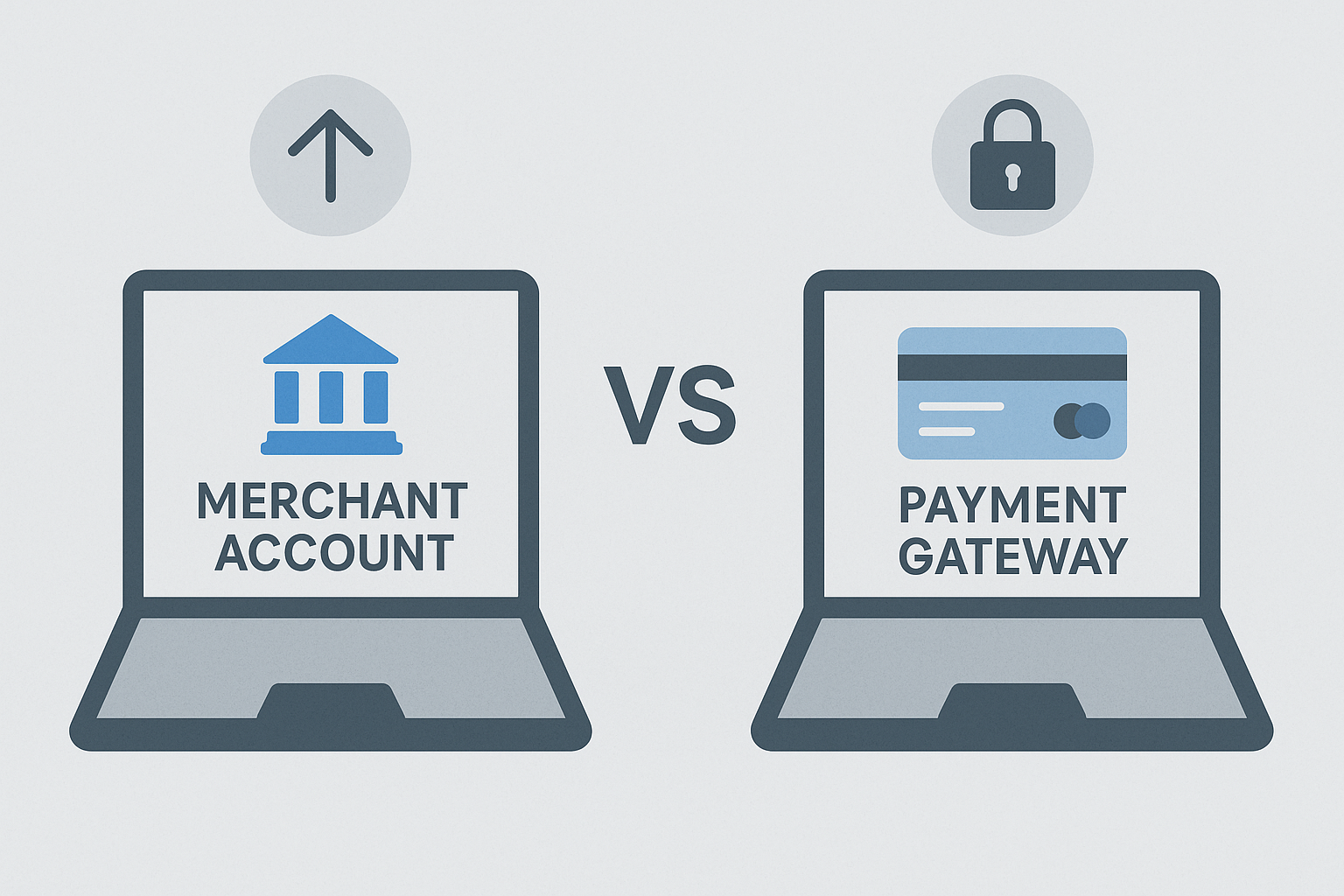
One of the biggest misunderstandings is believing that outsourcing payments removes all responsibility. While a secure payment gateway can reduce your exposure, your business may still have PCI obligations depending on how payments are accepted and managed.
Best Practices for Staying PCI Compliant
Staying compliant requires regular attention. A few practical steps can make a big difference:
- Use a reputable payment processor with secure, PCI-supported tools
- Limit storage of cardholder data whenever possible
- Encrypt sensitive data both in transit and at rest
- Keep systems updated with the latest security patches
- Restrict access to payment systems on a need-to-know basis
- Train employees on data handling and phishing awareness
- Review policies and conduct assessments regularly
Businesses that treat PCI compliance as part of everyday operations, rather than a once-a-year task, are usually better protected.
What Happens If You Are Not PCI Compliant?
Failing to comply with PCI DSS can have serious consequences. These may include fines, higher transaction fees, loss of payment processing privileges, and increased liability after a breach. In some cases, a business may also face legal exposure if customer payment data is compromised.
Beyond financial penalties, the reputational harm can be significant. Customers expect businesses to protect their payment information, and a failure to do so can damage trust for years.
Conclusion
PCI compliance is a vital part of protecting payment card data and maintaining customer trust. While the requirements can seem technical, the core goal is straightforward: secure your payment environment, limit risk, and handle sensitive information responsibly. By understanding the basics and making security an ongoing priority, your business can stay compliant and better protect itself from costly breaches.