What Is Interchange Plus Pricing?
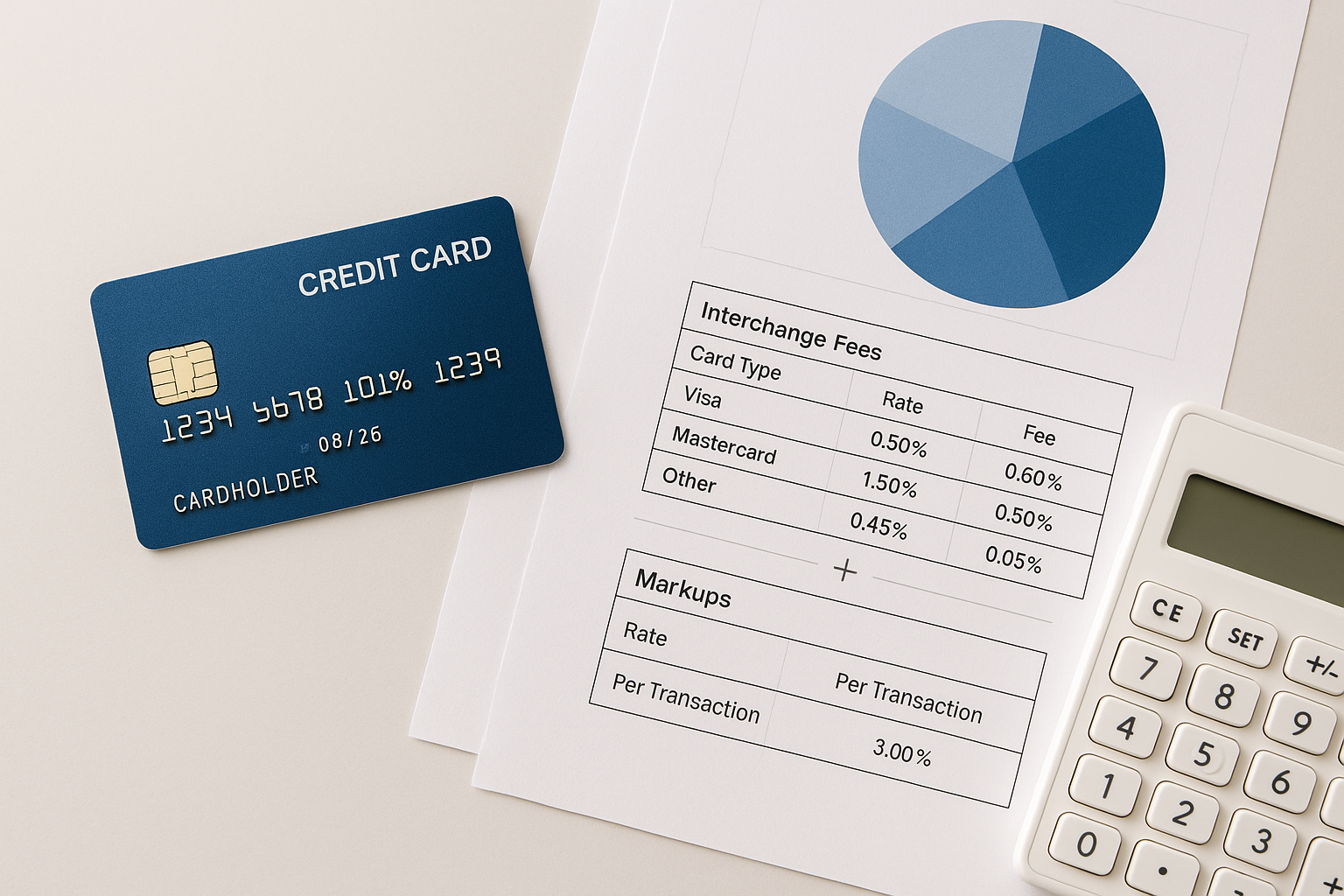
Interchange plus pricing is a transparent credit card processing model where a payment processor charges you the card network’s base interchange fee, plus a fixed markup. In simple terms, you pay the actual cost of the transaction set by the card brands and banks, and then you pay your processor a separate service fee.
This pricing structure is popular because it makes it easier to see what you are paying for. Instead of one bundled rate that hides the details, interchange plus breaks out the costs line by line. For businesses that want clarity and control over payment processing expenses, this can be a major advantage.
How It Works
When a customer pays by credit card, multiple parties are involved: the cardholder’s bank, the card network, the merchant’s bank, and the payment processor. The interchange fee goes to the cardholder’s bank, while the processor adds its own markup for handling the transaction and supporting your account.
A typical interchange plus quote might look like this: interchange cost + 0.20% + $0.10 per transaction. If the interchange fee for a transaction is 1.80%, your total cost would be 2.00% plus 10 cents. Because the processor’s markup is fixed, you can easily compare offers from different providers.
Why Businesses Like Interchange Plus Pricing
Many merchants prefer interchange plus pricing because it offers transparency, flexibility, and often better value for growing businesses. It is especially attractive for companies that process a variety of card types or transaction sizes, since bundled pricing can sometimes hide higher costs within a single flat rate.
Transparent Fee Breakdown
One of the biggest benefits is visibility. You can see exactly how much of each transaction goes to the card networks and how much goes to your processor. This helps you understand your statements and identify areas where you may be able to reduce processing costs.
Potential Cost Savings
Interchange plus pricing can be less expensive than flat-rate pricing, particularly for businesses with higher average ticket sizes or a healthy mix of debit and credit transactions. Since the processor’s markup is fixed, you are not overpaying just because your transactions are more favorable than the flat rate assumes.
Better for Growing Businesses
As your business grows, your payment volume, transaction types, and card mix may change. Interchange plus pricing scales well because it reflects the actual economics of each transaction. That makes it easier to evaluate whether your processing costs are staying competitive as revenue increases.
Interchange Plus vs. Flat Rate Pricing
Flat-rate pricing charges one consistent percentage, sometimes with an additional per-transaction fee. It is simple and predictable, which can be helpful for new businesses. However, that simplicity can come at a cost, because the rate is often set high enough to cover more expensive transactions.
Interchange plus pricing is more detailed, but it can be more cost-effective. Instead of paying one blended rate, you pay the actual interchange cost plus the processor’s markup. For many merchants, especially those with moderate to high processing volume, this structure results in lower overall fees.
Here is a general comparison:
- Flat rate: Easy to understand, but may cost more over time.
- Interchange plus: More transparent, often more competitive, but requires reading statements carefully.
If simplicity is your top priority, flat-rate pricing may appeal to you. If transparency and savings matter more, interchange plus is usually worth a closer look.
Common Fees in Interchange Plus Pricing
Although interchange plus pricing is transparent, it still includes several components. Understanding these fees will help you evaluate offers more accurately and avoid surprises.
Interchange Fees
These are the base fees set by the card networks and paid to the cardholder’s issuing bank. They vary depending on factors such as card type, transaction method, business category, and whether the card is present or not.
Assessment Fees
Assessment fees are charged by card networks like Visa and Mastercard to support the payment infrastructure. These are usually small percentages or per-transaction charges added on top of interchange.
Processor Markup
This is the fee your payment processor charges for its services. It is typically expressed as a percentage plus a fixed fee per transaction. In a good interchange plus deal, this markup should be clear, stable, and easy to verify.
Other Possible Charges
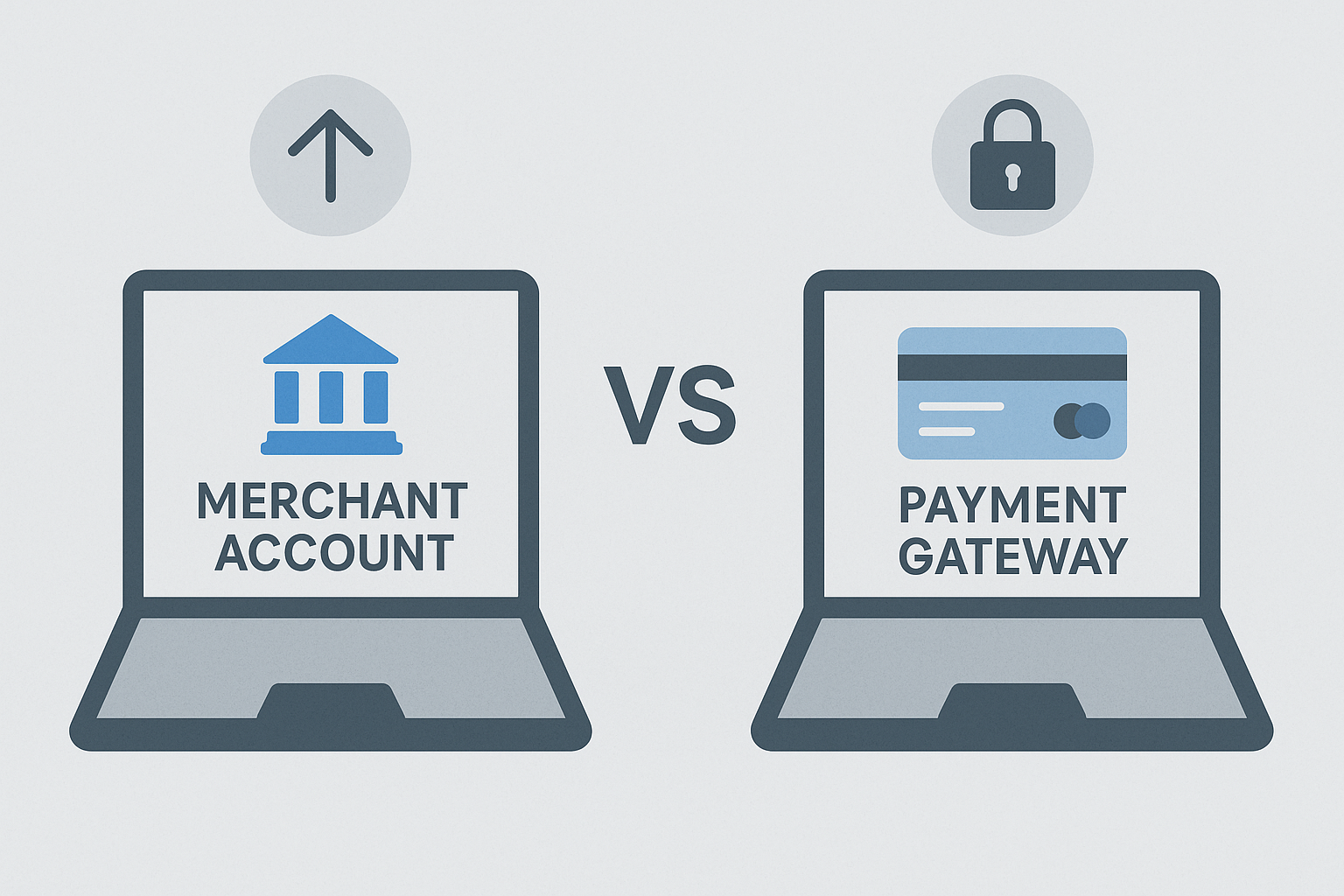
Some providers may also charge monthly account fees, gateway fees, PCI compliance fees, chargeback fees, or statement fees. These are not always part of the interchange plus rate itself, but they can still affect your total cost, so it is important to review the full pricing schedule.
Who Should Consider Interchange Plus Pricing?
Interchange plus pricing is a strong choice for many businesses, but it is especially useful for merchants who want better visibility into processing costs. It tends to work well for businesses with steady transaction volume, a mix of card types, or an interest in optimizing payments over time.
It may be a good fit if you are a retail store, restaurant, eCommerce business, professional service provider, or any merchant that processes enough cards to make fee savings meaningful. Businesses with larger average transactions or debit-heavy sales often see the most benefit.
On the other hand, very small businesses or startups that value extreme simplicity may prefer flat-rate plans at first. The key is to compare your expected transaction volume and average ticket size against the provider’s markup and extra fees.
How to Compare Interchange Plus Offers
Not all interchange plus plans are equal. Two processors may advertise similar markups, but one could still cost more because of added fees or higher ancillary charges. To make an informed decision, compare the full picture rather than just the headline rate.
Ask for the Complete Rate Sheet
Request a detailed pricing sheet that includes the interchange markup, monthly fees, gateway fees, and any other charges. A trustworthy provider should be able to explain every fee in plain language.
Review Your Statement Sample
Ask to see a sample statement so you can understand how the pricing will appear in real life. This helps you identify whether the processor uses clear reporting or hides charges in hard-to-read billing.
Check Contract Terms
Look closely at contract length, early termination fees, automatic renewals, and minimum processing requirements. A low markup is less valuable if you are locked into a contract with costly exit penalties.
Estimate Your Total Cost
Use your average monthly volume and transaction count to estimate what you will actually pay. A slightly higher markup may still be a better deal if the provider offers lower monthly fees or better support.
Tips to Get the Most from Interchange Plus Pricing
If you choose interchange plus pricing, there are a few smart ways to make the most of it. First, keep an eye on your monthly statements so you can spot unusual fees or rate changes. Regular review helps you stay in control of processing costs.
Second, encourage card-present payments when possible, since in-person transactions often qualify for lower interchange than card-not-present transactions. If your business is online, make sure your payment setup supports address verification, card security tools, and fraud prevention to reduce unnecessary risk and cost.
Finally, revisit your pricing arrangement periodically. As your business grows, your negotiating power may improve. Lower markups, reduced fees, and better terms are often available to merchants who process more volume or have a strong payment history.
Conclusion
Interchange plus pricing offers a transparent and often cost-effective way to accept credit card payments. By separating the true processing cost from the processor’s markup, it gives businesses better insight into where their money is going. If you want clearer statements, stronger fee control, and the potential for lower long-term costs, interchange plus pricing is well worth considering.